





New Delhi: Chaitra Navratri 2026, spanning from 19 March to 27 March, heralds the Hindu New Year with vibrant celebrations honouring Goddess Durga’s nine
forms. This sacred period encourages a sattvic lifestyle, emphasising purity in thought and diet to align with spiritual detoxification, even for those not observing a strict fast. As families unite for devotion and puja, mindful eating fosters deeper connection to the festivities’ essence.
Delving further, many choose to sidestep tamasic and rajasic foods, known to induce lethargy or agitation, promoting instead light, nourishing options that support vitality amid the seasonal shift. Whether you’re enjoying late night kirtand or simply embracing the auspicious vibe, these choices can enhance focus and well-being. Let’s deep diver into which common foods to avoid during Navratri.
Common foods to avoid during Navratri
1. Non-vegetarian items like meat, fish, eggs, and poultry
These are deemed rajasic or tamasic, believed to heighten aggression and hinder sattvic purity essential for Chaitra Navratri 2026 devotion, even among non-fasters seeking spiritual clarity.
2. Onions
Classified as tamasic in Ayurveda, onions generate excess heat and dull the mind, making them unsuitable during Chaitra Navratri when a clear, serene mindset aids puja and celebrations from 19 to 27 March.
3. Garlic
Like onions, garlic is tamasic, stimulating passions and disrupting digestive lightness ideal for Navratri’s sattvic diet, so avoid it to maintain balanced energy throughout the nine-day festival.
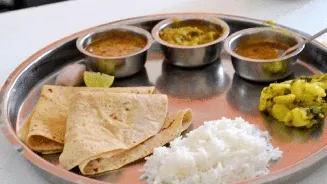
4. Regular grains such as wheat and rice
These heavy staples slow digestion and are prohibited in traditional Navratri observance, even for non-fasters, to honour purity and prevent lethargy during Chaitra Navratri 2026.
5. Pulses and lentils including chickpeas, beans, and dals
Hard to digest without pungent spices, these rajasic foods cause bloating and tamas, best avoided to sustain vitality and focus amid the festive rituals.
6. Table salt (iodised salt)
Replace with rock salt (sendha namak) as regular salt is considered impure for vrat periods; it imbalances the body’s sattva, impacting non-fasters’ harmony during this sacred time.
7, Certain spices like turmeric, asafoetida (hing), and mustard seeds
These rajasic elements heat the body excessively during seasonal transitions like Chaitra Navratri, so opt for milder alternatives to preserve sattvic equilibrium.
8. Processed and packaged foods such as chips and biscuits
Laden with preservatives and refined ingredients, they inflame the system and contradict Navratri’s detox ethos, even if you’re not fasting strictly.
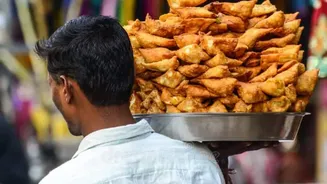
9. Fried snacks and junk food like pakoras and namkeen
Deep-fried in refined oils, these tamasic treats induce sluggishness, undermining the light, energetic feel desired for garba nights in Chaitra Navratri 2026.
10. Alcohol and tobacco
Intoxicants cloud judgement and vitality, strictly off-limits during this pious fortnight to fully immerse in the divine feminine energy celebrated from 19 to 27 March.
Embracing these mindful exclusions during Chaitra Navratri 2026 cultivates lasting sattvic benefits, enhancing devotion and health for all. Try it—you might discover renewed vigour beyond the festival.