



New Delhi: Imagine spending a December afternoon in the hills of Nagaland, watching traditional folk dances, discovering the stories behind colourful Naga shawls,
digging into smoked food with bamboo shoots and ending the day at a live music concert. That’s what a holiday during the Hornbill Festival can look like.
Popularly known as the ‘Festival of Festivals’, the Hornbill Festival returns to Nagaland from December 1 to 10, 2026. The theme for the 27th edition of the festival is ‘Cultural Connect’, and it will be held at the Naga Heritage Village in Kisama, about 12 km from Kohima.
Whether you’re a food lover, adventure enthusiast, music junkie or someone who enjoys discovering different cultures, there is plenty to experience during this 10-day celebration.
How did the Hornbill Festival begin?
The Hornbill Festival was first announced by the Nagaland government in 2000 to preserve and promote the cultural heritage of the state and foster interaction among the various indigenous communities. The festival starts on December 1, which is also Nagaland’s Statehood Day. The name is derived from the hornbill, a bird of cultural importance in Naga folklore and traditions.
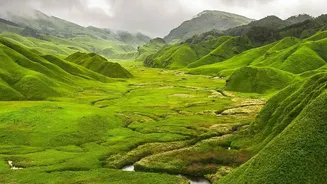
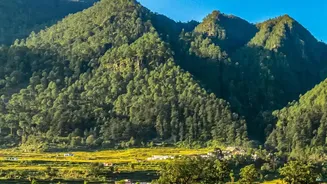
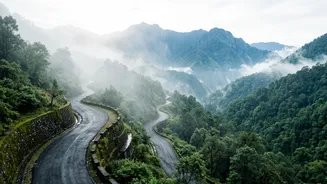
The festival is unique, as different Naga communities come together, each with their own customs, language, food, traditional attire and art forms. It provides an opportunity for travellers to experience a different side of Northeast India other than its beautiful mountain landscapes.
Major attractions of Hornbill Festival
1. Watch traditional Naga folk dances and performances
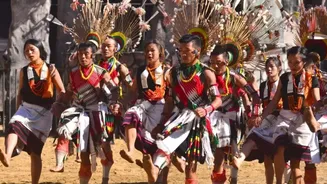
One of the biggest attractions of the Hornbill Festival is to witness the cultural diversity of Nagaland come alive on stage. There are rhythmic folk dances, traditional songs and ceremonial performances. Each presentation offers an insight into the history and customs of a particular community.
According to the Department of Art and Culture, eighteen cultural troupes from various parts of Nagaland will perform at the Unity Plaza during the 2026 edition. Visitors can look forward to folk dramas, traditional rituals, indigenous games and musical performances.
2. Visit the traditional Naga Morungs
If you want to know more about Nagaland, besides its picture-perfect landscapes, then spend some time exploring the traditional Morungs at Kisama. Morungs were traditionally communal institutions of learning and congregation where young people learnt practical skills, listened to stories and were educated about their traditions in Naga communities.
The heritage village is a great place for visitors to learn about different styles of Naga architecture, intricate wooden carvings and traditional artifacts. Engage in a conversation with local representatives to understand the significance of these structures.
3. Devour authentic Naga cuisine
Skip counting calories for a day and explore Nagaland with your taste buds. Hornbill Festival is a good chance to get a taste of local food that you might not find easily in other parts of India. The festival offers a delicious introduction to the region’s diverse culinary traditions, from smoked pork cooked with bamboo shoots and fermented soybean preparations called axone or akhuni to sticky rice, local vegetables and traditional chutneys.
And if you consider yourself someone who can handle spicy food, keep an eye out for the famous Naga King Chilli. Chilli-eating competitions have featured in previous editions of the festival, although participation is certainly not for everyone.
4. Live Experience at the Hornbill Music Festival
If your idea of a perfect holiday is discovering new music and attending live gigs, then Hornbill Music Festival should be on your list. Music is part of the modern cultural identity of Nagaland, and the festival has become a platform for budding musicians as well as established artists.
Traditionally, music festivals have brought together musicians from Nagaland, other parts of India and abroad, with genres ranging from rock and indie to contemporary sounds and folk-inspired compositions.
5. See indigenous sports: Naga wrestling
The Hornbill Festival is about more than just music, dance and food. It is also a chance to discover traditional sporting activities that have been passed down through the generations. A popular sporting attraction at the festival is Naga wrestling. It’s exciting to watch the competitors showing their strength, agility and technique with the spectators cheering them on.
Other indigenous activities associated with the festival are traditional archery, stone-pulling and fire-making.
6. Shop for Naga shawls, jewellery and handicrafts
The festival’s craft stalls offer opportunities to discover handwoven Naga shawls, traditional bead jewellery, bamboo and cane products, wooden carvings and other locally made items. Many traditional textiles feature colours and patterns associated with particular communities and their cultural identities. Rather than just picking something because it looks beautiful, ask the artisan about its design and meaning.
There will also be an art exhibition-cum-fair at the World War II Museum Complex at Kisama in the 2026 edition, which will allow visitors to explore works of visual art.
7. Go to the World War II Museum
The World War II Museum in Kisama provides an overview of the wartime history of the region through military relics and historical objects. The Department of Art and Culture will also be organising a special archival exhibition this year, titled ‘Colonial Inroads & Resistance (1832–1947)’ through which visitors can get to know another chapter of Nagaland’s history.
According to the announced program, the World War II Museum will be open from 10 am to 4 pm during the festival.
Hornbill Festival 2026: Dates, venue and how to get there
- Festival Dates: December 1-10, 2026
- Venue: Naga Heritage Village, Kisama, Kohima, Nagaland
- Nearest Airport: Dimapur Airport
- Nearest Major Railway Station: Dimapur Railway Station
Dimapur can be reached by air or train, and from there the journey to Kohima can be continued by road. Kisama is located approximately 12 km from the state capital.