





The world’s oceans have reached their highest recorded temperatures, with average sea surface temperatures touching 21.1°C (70°F) on Friday and Saturday,
according to the European climate service Copernicus.
Oceans hit record temperatures
The latest record narrowly surpassed the previous daily high recorded in March 2024. Scientists said the unusual August peak is particularly concerning because ocean temperatures normally reach their annual maximum around March and April, AP reported.
“This is yet another sign of our climate system under strain and the ocean under immense pressure,” Copernicus strategic climate lead Samantha Burgess said.
El Niño adds to warming
Scientists attributed the record heat to a combination of human-driven climate change and a powerful El Niño weather pattern that is still developing.
El Niño is a natural climate phenomenon involving the temporary warming of parts of the Pacific Ocean. It influences weather and temperatures across the world. The current event is expected to reach its peak between November and January.
Burgess said long-term warming caused by the burning of fossil fuels has already increased ocean temperatures by about 0.8°C.
“The thing that makes my heart sink is that this starts so early and it’s so out-of-normal that you know when it hits its peak, it’s going to be unprecedented,” said Boris Worm, a biology professor at Canada’s Dalhousie University.
Marine life faces growing risks
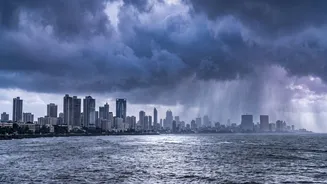
Warmer oceans absorb less oxygen and become more acidic, creating serious challenges for marine ecosystems and industries that depend on the sea. Scientists also warned that hotter waters can influence currents and intensify storms, including by increasing rainfall and storm surges.
Oceanographer Jane Lubchenco described the record as “very troubling”, warning that warmer seas could threaten marine life, food security and economic activity.
Coral reefs are particularly vulnerable. John Bruno, a marine ecologist at the University of North Carolina, said the amount of heat-sensitive coral surviving today is only about one-fifth of 1990s levels.
Fisheries could face collapse
Scientists also raised concerns about fisheries, particularly Peru’s anchovy fishery, one of the world’s largest. The fishery often suffers during El Niño and could face severe pressure from unusually warm waters.
“Anchovies can’t leave so they just don’t reproduce or starve,” Worm said, warning that losses could affect larger fish, seabirds, marine mammals and people dependent on the fishery.
Scientists have also reported increases in jellyfish in warmer waters.
“There is no normal anymore,” Worm said, highlighting the growing disruption caused by record ocean temperatures.