





New Delhi: Winter has a way of changing what we eat. Breakfast might mean a paratha cooked generously in ghee, evenings call for pakoras with tea, and
meals become a little richer with butter, cream and gravies. There is nothing inherently wrong with enjoying these foods. The concern begins when they become everyday choices and physical activity drops at the same time.
A diet rich in butter, ghee, cream, fatty meat and fried foods can push LDL cholesterol upwards. LDL carries cholesterol through the bloodstream. When there is too much of it, cholesterol can build up in artery walls over time, contributing to plaque formation. These deposits narrow the arteries and increase the risk of a heart attack or stroke.
Saturated fats and trans fats
The type of fat matters. Saturated fats, found in ghee, butter, fatty cuts of meat and full-fat dairy, can raise LDL cholesterol. Trans fats are more concerning because they raise LDL and can lower HDL, the cholesterol that helps remove excess cholesterol from the bloodstream. They may be found in some commercially fried foods and packaged products. The World Health Organisation recommends keeping saturated fat below 10 per cent of daily energy intake and trans fat below 1 per cent.
Triglycerides and winter diet
Triglycerides need attention too. Unlike LDL, they are a form of fat the body uses to store excess energy. Regularly eating more calories than the body needs, particularly from sugary foods, refined carbohydrates and alcohol, can raise triglyceride levels. Reduced activity and weight gain may add to the problem.
Heart-healthy winter foods
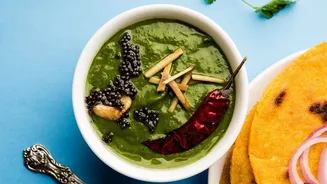
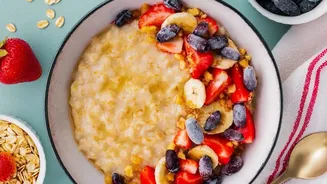
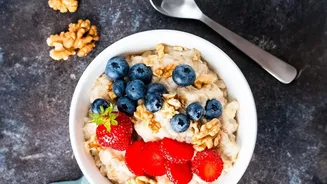
This does not mean winter meals have to become bland. Seasonal vegetables such as methi, spinach, carrots and beans can provide fibre, while oranges and other citrus fruits make useful additions to the diet. Oats, dals, whole grains, nuts and seeds are also worth including. Soluble fibre, particularly from oats, barley and pulses, helps reduce the absorption of cholesterol in the gut. Replacing some saturated fats with unsaturated fats from nuts, seeds and suitable plant oils is another useful change.
Portions and frequency often matter more than a single meal. A butter-laden paratha every morning, for instance, contributes differently from having one occasionally. Cooking with less ghee, choosing leaner proteins and keeping fried snacks for occasional indulgence can make a difference over time.
Exercise in winter
Cold mornings can also make it tempting to skip a walk. Adults should aim for at least 150 minutes of moderate physical activity a week. Brisk walking is a practical option, even when it means choosing a warmer time of day.
Lipid profile check
Diet and exercise are important, but they cannot account for every person’s cholesterol levels. Genetics, age, diabetes and other medical conditions also influence cardiovascular risk. Anyone with high cholesterol or a family history of early heart disease should get their lipid profile checked and discuss the results with a cardiologist. Some people will need medication alongside lifestyle changes.
(By Dr Anjan Siotia, Director of Cardiology, BM Birla Heart Hospital)
Disclaimer: This article is based on the research and inputs shared by the doctor mentioned above and is intended for informational purposes only. The findings should not be considered medical advice or used for self-diagnosis or treatment. Consult a qualified healthcare professional for personalised guidance.