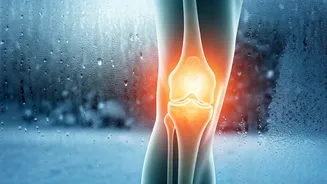









New Delhi: Most people traditionally associate bone and joint disorders with aging, genetics, injury, and lifestyle factors. However, an increasingly significant
yet often overlooked contributor is air pollution. With rising Air Quality Index (AQI) levels across Indian cities, emerging research suggests that polluted air may affect not only respiratory and cardiovascular health but also play a role in inflammatory joint diseases such as rheumatoid arthritis (RA) and overall musculoskeletal well-being.
What is rheumatoid arthritis?
Dr Nikhil Jadhav, Consultant, Orthopaedics at Sahyadri Super Speciality Hospital, Nagar Road, Pune, spoke about rheumatoid arthritis and how air pollution can affect it.
Rheumatoid arthritis is a chronic autoimmune condition in which the immune system attacks the joints, leading to inflammation, pain, stiffness, and progressive joint damage. While genetic predisposition remains important, environmental triggers are now recognisd as key contributors. Fine particulate matter, such as PM2.5 and PM10, can enter the bloodstream through the lungs and trigger systemic inflammation. This widespread inflammatory response is believed to be one of the mechanisms that may initiate or worsen rheumatoid arthritis.
“From an orthopaedic perspective, chronic inflammation is particularly concerning. Persistent inflammatory activity accelerates cartilage degeneration and adversely affects bone metabolism. Air pollutants increase oxidative stress in the body, disrupting the balance between bone formation and bone resorption. Over time, this may lead to reduced bone density, increasing the risk of osteoporosis and fractures—especially among elderly individuals and postmenopausal women,” said Dr Jadhav.
What are the symptoms of rheumatoid arthritis?
Clinically, many patients report worsening joint pain, stiffness, and flare-ups of arthritis during periods of high pollution. While air pollution may not be the sole cause of rheumatoid arthritis, it can act as a trigger in genetically susceptible individuals and aggravate symptoms in those already diagnosed.
How does air pollution affect rheumatoid arthritis risk?
Air pollution also indirectly impacts joint health by limiting physical activity. Poor air quality discourages outdoor exercise, contributing to a sedentary lifestyle, muscle weakness, and increased stress on weight-bearing joints such as the knees and hips. Additionally, smog reduces sunlight exposure, leading to vitamin D deficiency—a common issue linked to musculoskeletal pain and inflammatory joint disorders.
Preventive orthopaedic care must now extend beyond treating fractures and arthritis to addressing environmental risk factors. Individuals with joint pain, morning stiffness, or a family history of rheumatoid arthritis should take added precautions during high-AQI days. Measures such as using protective masks, staying indoors during peak pollution hours, maintaining good indoor air quality, and ensuring adequate intake of calcium and vitamin D can help protect bone and joint health.
In conclusion, air pollution is no longer only a respiratory or cardiac concern—it is emerging as a significant musculoskeletal health issue. Recognising the link between environmental pollution and joint disorders is essential. In the future, effective management of arthritis may also involve reducing inflammation triggered by environmental factors such as air pollution.
Dr Tushar Patil, a medical oncologist at Sahyadri Super Speciality Hospital, said, “It is imperative to highlight that the number of cancer cases is rising at a rapid pace in all age groups and sections of society. Today, cancer has emerged as one of the major causes of death and illness not only for the patient but also for the family and society as a whole. Apart from the physical impact, cancer also poses severe emotional, social, and economic problems, and fear, stigma, and lack of awareness often lead to late presentation of the disease, when it is already at an advanced stage. Most cancers are highly curable if they are detected early, and simple steps such as living a healthy lifestyle, remaining physically active, avoiding known risk factors, undergoing regular screening, and being vigilant for early warning signs can go a long way in lessening the burden of cancer.”