

New Delhi: Winter in Indian households has its own food traditions. As the temperature starts to drop, kitchens start smelling of roasted atta, warm ghee,
jaggery and dry fruits. Grandmothers pull out their age-old recipes, and sweets like gond laddu, panjiri and til ladoo find their way into steel containers, ready to be enjoyed throughout the season.
These Indian sweets are not just delicious winter treats. Made with ingredients like edible gum, sesame seeds, whole wheat flour, nuts and jaggery, they are energy-giving and contain nutrients that can be handy during the colder months.
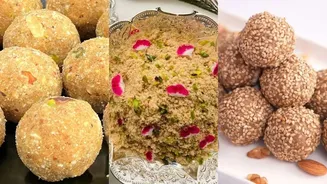
The gond laddu is crunchy and rich with nuts and edible gum, while panjiri is crumbly and roasted in ghee. In contrast, til ladoo is a mixture of the nutty flavour of sesame seeds and the sweetness of jaggery.
Not sure which one to make this winter? Here’s how these three traditional sweets differ, along with easy recipes you can try at home.
1. Gond Laddoo Recipe
Gond ke laddu is a famous North Indian winter sweet made using food-grade edible gum. When fried in hot ghee, the gum expands into light, crunchy pieces and is mixed with roasted flour, nuts and sweetener.
Ingredients
- 1 cup whole wheat flour (atta)
- ½ cup edible gond for frying (edible grade)
- ½ cup (or more, to taste) ghee
- ½ cup grated jaggery or icing sugar
- ¼ cup almonds, chopped
- ¼ cup cashews, chopped
- 2 tbs raisins
- ½ tsp ground cardamom
How to make gond laddu
Step 1: Warm some ghee in a heavy-bottomed pan on medium heat. Add small quantities of edible gond and fry until the pieces puff up and become light and crisp. Take them off right away, so they don’t burn.
Step 2: Allow the fried gond to cool down a bit and then crush it into small pieces using a rolling pin or a mortar and pestle.
Step 3: Add the remaining ghee and the whole wheat flour to the same pan. Keep stirring over low heat until the flour turns a nice golden brown colour and smells nutty and nice. This can take 12 to 18 minutes.
Step 4: Toast the chopped almonds and chopped cashews separately (optional). Add the crushed gond, raisins and cardamom powder to the roasted flour.
Step 5: Let the mixture cool to a warm (not hot) temperature. Add the powdered sugar or grated jaggery finely.
Step 6: Take small portions and press firmly between palms to make round laddus. If the mixture feels too dry, add a little warm ghee to help it bind.
2. Panjiri recipe: How to make traditional atta panjiri
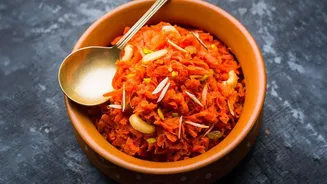
Panjiri is a comforting North Indian preparation made by slowly roasting whole wheat flour in ghee and combining it with nuts, cardamom and sugar or jaggery. Unlike laddus, panjiri is usually eaten as a loose, crumbly mixture. Some households also shape it into pinni or laddus by adding extra ghee.
Ingredient
- 1 cup whole wheat flour
- ⅓ cup ghee
- ½ cup powdered sugar or finely powdered jaggery
- ¼ cup chopped almonds and cashews
- 2 tablespoons grated dry coconut
- 1 tablespoon melon seeds, optional
- ½ teaspoon cardamom powder
How to prepare panjiri
Step 1: Heat ghee in a thick-bottomed kadai over low heat.
Step 2: Add whole wheat flour and toast slowly. Stir all the time so it does not get stuck at the bottom or burn.
Step 3: Bake until golden brown and fragrant, about 15 to 20 minutes.
Step 4: In another pan, lightly roast the chopped nuts, coconut and melon seeds.
Step 5: Add the roasted nuts & seeds to the wheat flour. Remove from the heat and cool to room temperature.
Step 6: Add the powdered sugar/jaggery & cardamom powder. Mix all together well.
Step 7: Let the panjiri cool down completely and store it in a clean, airtight container.
3. Til ladoo recipe: How to make sesame and jaggery ladoo
Til ladoo (also called til ke laddu or tilgul in some parts of the country) is a popular sweet, especially during winter festivals like Makar Sankranti. The recipe requires a handful of ingredients, making it one of the easiest traditional sweets to prepare at home.
Ingredients
- 1 cup white sesame seeds
- ¾ cup grated jaggery
- 1 tsp ghee (clarified butter)
- ¼ tsp cardamom powder
- 2 tablespoons crushed roasted peanuts (optional)
How to Make Til Ladoo
Step 1: In a pan, dry-roast the sesame seeds on low heat. Roast 3 to 5 minutes, stirring constantly, until fragrant and beginning to pop. Don’t brown them too much.
Step 2: Transfer the toasted sesame seeds to a plate and allow them to cool slightly.
Step 3: Heat ghee in the same pan and add grated jaggery. Keep on a low flame and stir till the jaggery melts.
Step 4: To see if it is ready, drop a small amount of the jaggery into cold water. It should make a firm ball and should retain its shape. This is the right consistency to hold the laddus.
Step 5: Remove from heat. Quickly add the roasted sesame seeds, cardamom powder and crushed peanuts if using.
Step 6: Mix well. When the mixture is cool enough to handle without burning yourself, grease your palms lightly and make small laddus.
Gond laddu, panjiri or til ladoo: Which is healthier?
All three of the sweets have ingredients that offer nutritional advantages, but no one is automatically healthier than the others. The amount of ghee, jaggery, sugar and nuts used can make a big difference.
Gond Laddu: These laddus are usually energy-dense as they have ghee, nuts and flour in them. Nuts give you healthy fats, protein, and minerals. Whole wheat flour gives you carbs and a little fibre.
Panjiri: Whole wheat flour and nuts provide energy and nutrients like fibre and some vitamins and minerals. However, panjiri can be very high in calories, especially if made with generous amounts of ghee and sugar.
Til ladoo: Sesame seeds are a storehouse of unsaturated fats, protein, fibre, and minerals like calcium and magnesium. However, til ladoos made with jaggery still have added sugar.