





The Union Cabinet has approved the Green Energy Corridor Phase-III scheme, a large transmission and battery storage programme aimed at helping states absorb
more renewable energy into the grid. The plan carries a total outlay of ₹1,86,405 crore and is targeted for completion by FY 2032-33.
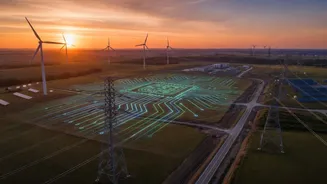
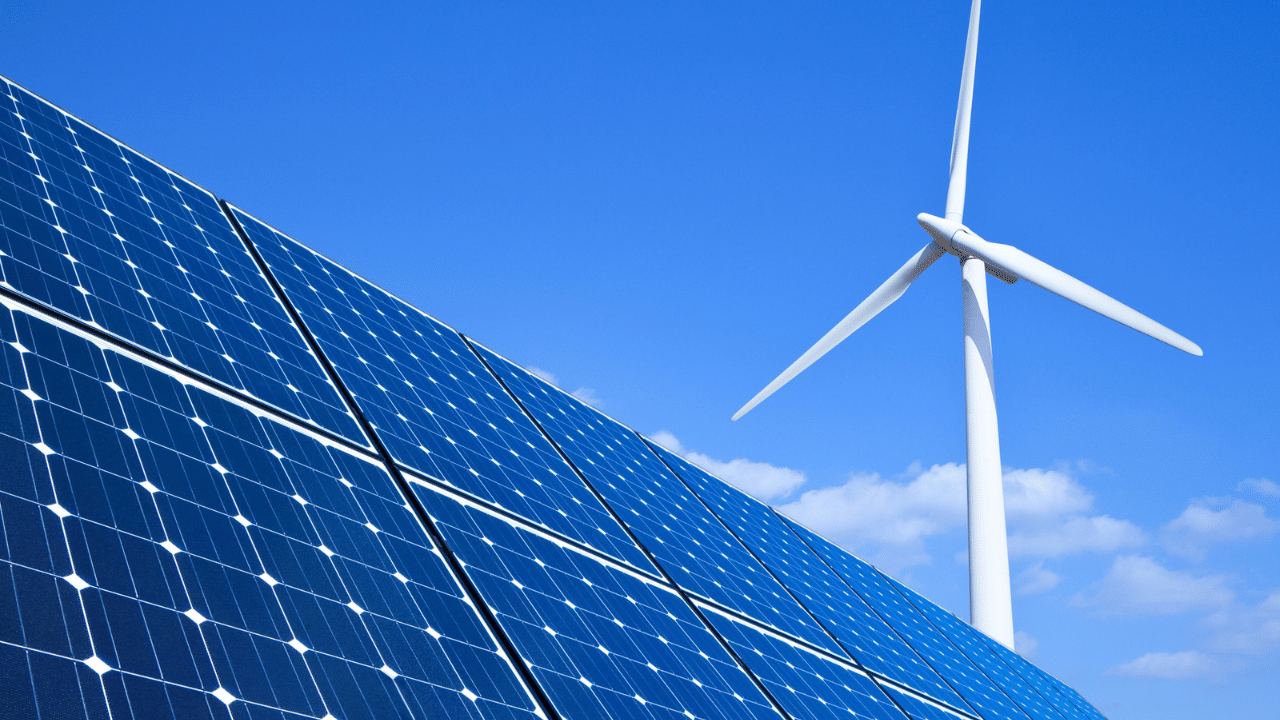
At its core, the scheme is meant to handle one of the less visible problems in India’s clean-energy push. Building more solar and wind capacity is only part of the job. That electricity still needs transmission lines, storage and grid support to reach homes and businesses when it is needed.
Cleaner power. Stronger grids. More opportunities.
The Cabinet decision on the Green Energy Corridor Phase-III will ensure:
135 GW renewable energy evacuation.
50 GWh battery storage.
Stronger power grids across States and UTs.
More jobs in manufacturing, construction…
— Narendra Modi (@narendramodi) September 30, 2026
What Green Energy Corridor Phase-III will do
The government said the scheme will strengthen intra-state transmission systems and support evacuation of up to 135 GW of renewable energy across states and Union Territories.
The plan includes two major spending components:
- ₹1,36,378 crore for intra-state transmission systems
- ₹50,000 crore for 50 GWh of battery energy storage systems
The Centre will provide financial support of ₹54,082 crore.
The battery storage component is meant to help manage the stop-start nature of solar and wind generation. Storage can hold electricity when generation is high and release it during peak demand or after sunset.
Why battery storage matters
India is adding renewable energy at a rapid pace, but solar output falls after sunset and wind generation can vary through the day. That can create congestion and pressure on the grid.
A 50 GWh storage plan gives states another tool to smooth those swings. It can help reduce curtailment, support non-solar-hour demand and improve grid flexibility.
How the projects will be built
Greenfield transmission projects will use tariff-based competitive bidding. Existing networks that need upgrades will be handled under a cost-plus system.
State transmission utilities will oversee implementation, with private transmission service providers able to participate under a build-own-operate-maintain model.
The government said GEC-III will support its target of reaching 900 GW of installed non-fossil fuel capacity by 2035.