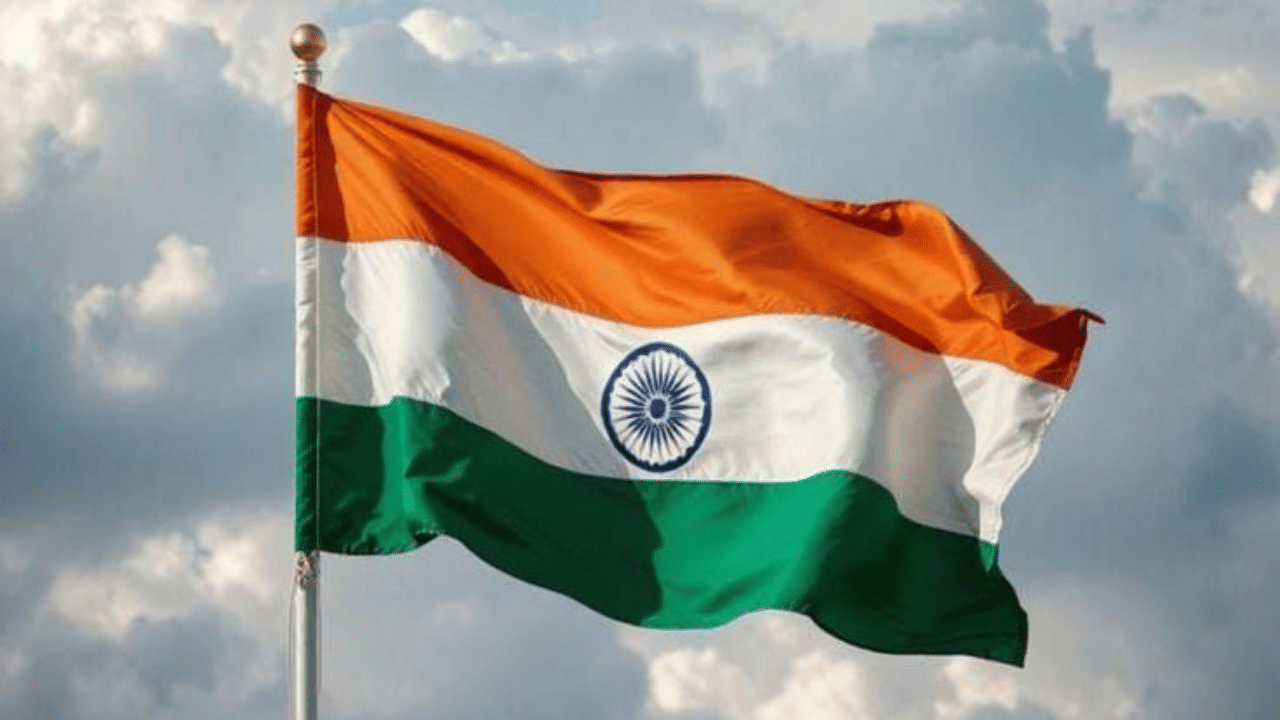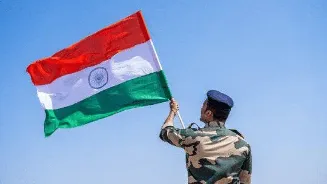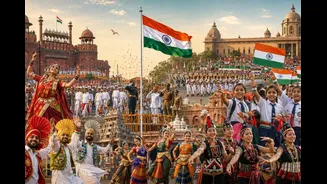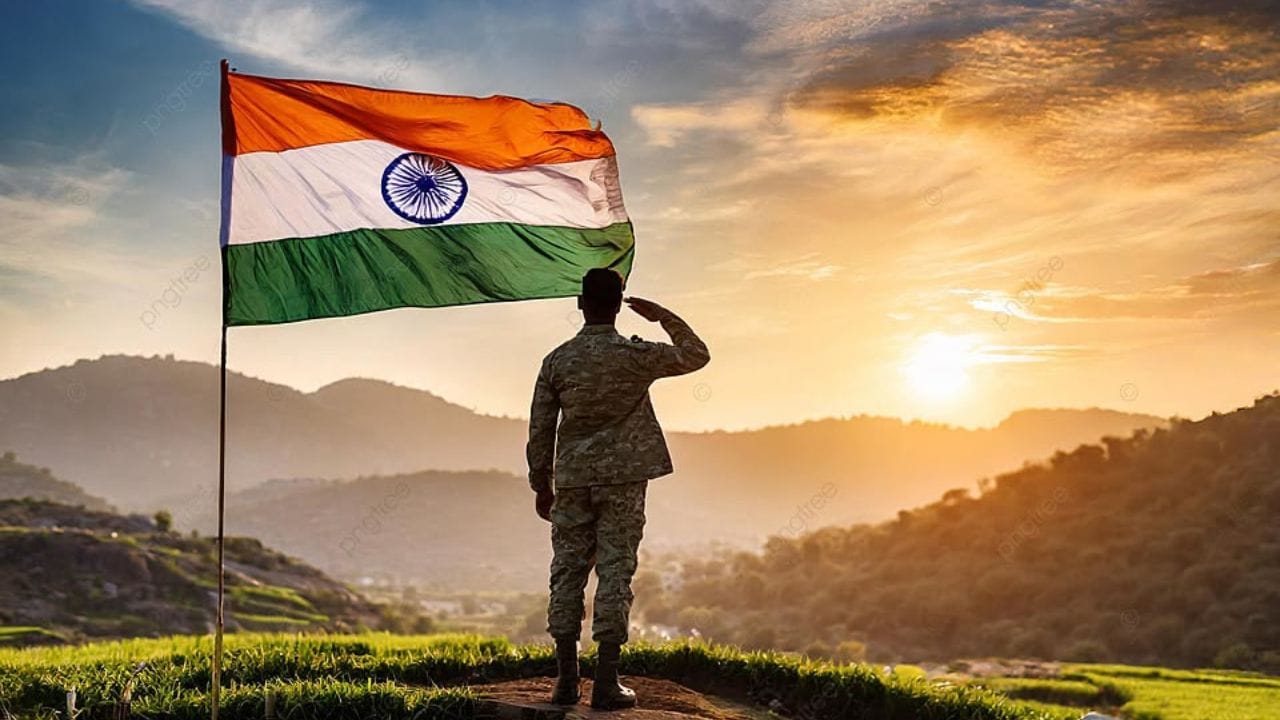








New Delhi: There is something special about seeing the Tiranga flutter outside homes, across school campuses and along neighbourhood streets as Independence
Day approaches. The Har Ghar Tiranga campaign turns that familiar sight into a more personal expression of patriotism, encouraging citizens to bring the National Flag home and celebrate their connection with the country. Launched under Azadi Ka Amrit Mahotsav, the initiative has grown into a people’s movement, with schools and young citizens playing an important role in its activities.
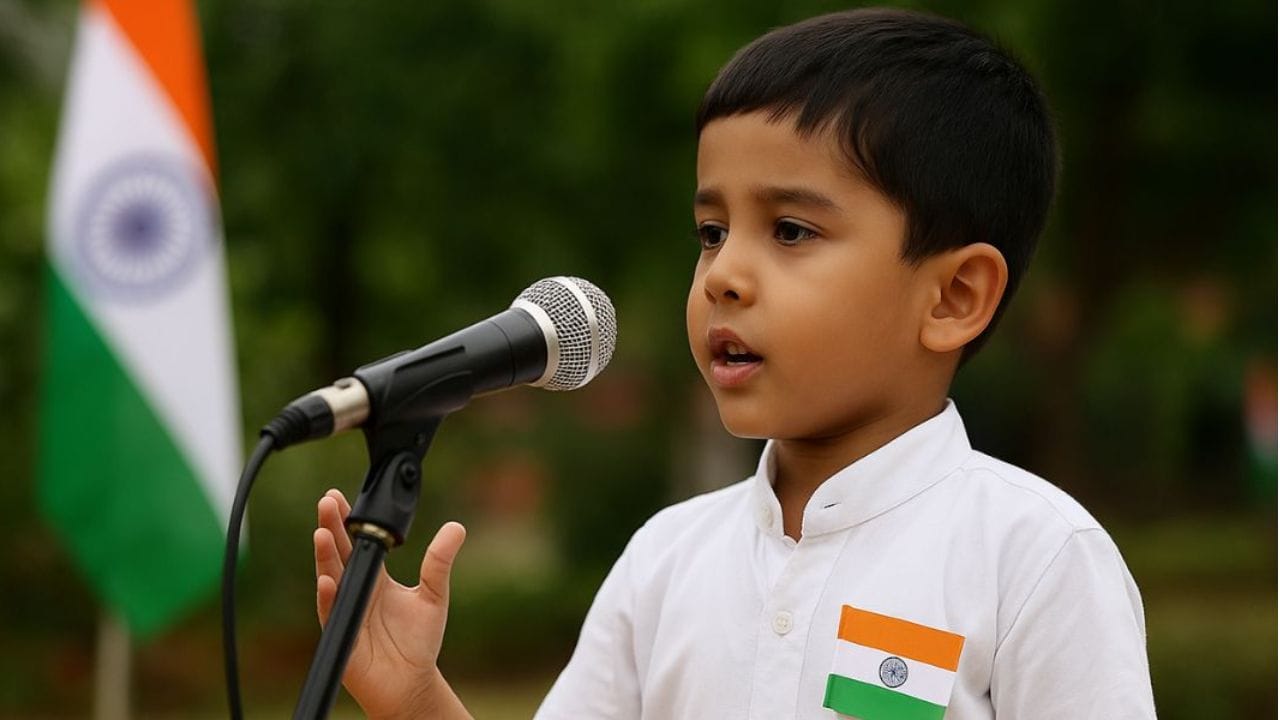
For students, the campaign offers plenty of scope for creative expression. A thoughtful slogan can capture the excitement of Independence Day 2026 in a few words, while an essay can explore the history, meaning and responsibility associated with the Tricolour. Here are some ideas for school competitions, assemblies and classroom activities.
Har Ghar Tiranga slogans
- Tiranga in every home, pride in every heart
- One Tiranga, one nation, countless dreams
- Let the Tricolour fly, let India’s spirit soar
- Our Tiranga, our pride, our shared identity
- Three colours, one nation, one spirit
- Bring the Tiranga home, celebrate India with pride
- Let every home shine in the colours of India
- Tiranga flies high, India’s hopes rise higher
- Respect the flag, honour the nation
- Har Ghar Tiranga, Har Dil Hindustan
- Our flag, our freedom, our responsibility
- Celebrate freedom, salute the Tiranga
- United under one flag, proud as one nation
- Carry the pride of India wherever you go
- Let the Tiranga remind us of India’s courage
- One flag, many cultures, one proud India
- Raise the Tiranga, raise the spirit of India
- Freedom in our hearts, Tiranga in our homes
Har Ghar Tiranga essay ideas
Evolution and meaning of Tricolour
Students can trace the journey of India’s National Flag and discuss how the Tricolour became a powerful symbol of the country’s freedom, identity and democratic values. The evolution of the flag also provides scope to explore the ideas represented by its colours and the Ashoka Chakra. The government has also highlighted the history and evolution of the National Flag through educational initiatives linked to the campaign.
Unity in diversity through flag
India’s languages, cultures, traditions and communities may be remarkably diverse, but the Tiranga provides a shared national symbol. Students can explore how the flag represents a sense of belonging that transcends regional and cultural differences.
Remembering our freedom fighters
An essay can use the Tiranga as a starting point to remember the people whose courage and sacrifices contributed to India’s independence. Students can highlight lesser-known freedom fighters alongside familiar names and connect their struggles with the freedom enjoyed today.
Jan Bhagidari and youth empowerment
Har Ghar Tiranga has grown beyond a symbolic flag-hoisting exercise into a participatory movement involving citizens, educational institutions and young volunteers. Students can write about how young people can contribute to nation-building through civic responsibility, community participation, education and constructive action.
Flag Code and responsible patriotism
Patriotism also involves respecting the National Flag. Students can discuss why the Tiranga should be displayed with dignity and awareness of the Flag Code. The National Flag must be given a position of honour and should not be allowed to touch the ground or be displayed in a damaged or soiled condition.
Har Ghar Tiranga and India’s younger generation
This topic allows students to examine how national celebrations can become meaningful when young people participate through creative activities, volunteering, discussions and learning about India’s history rather than limiting celebrations to flag-hoisting ceremonies.
Tiranga and India of tomorrow
Students can take a forward-looking approach by writing about the India they hope to build and how the values represented by the National Flag can guide them as future citizens.
Har Ghar Tiranga can be more than an Independence Day activity. For students, it is an opportunity to learn about India’s past, celebrate its diversity and think about the responsibilities that come with being a citizen.