




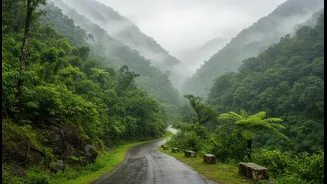


New Delhi: The monsoon sky is mostly wrapped in gloomy, dark clouds. But with Indian festivals like Teej and Raksha Bandhan, which are still about a month
away, the rainy season is set to become vibrant with jubilant celebrations. And what makes these festive moments even sweeter is people’s indulgence in sweets, particularly ghewar – the dessert from the desert. These festive bites not only satisfy our sweet tooth but also evoke strong emotions, carry forward tradition, and bring people together. Paneer ghewar rules hearts among its many varieties.
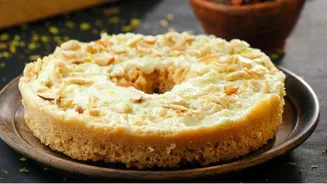
Paneer ghewar, a speciality of Rajasthan, blends tradition with indulgence. Its crispy golden edges, honeycomb-like texture, and soft paneer-rich centre offer the perfect treat for the humid, joyous monsoon days. Originating in royal kitchens and perfected in local halwai shops, this dessert continues to be a favourite, especially during July and August.
Festive favourite from Royal kitchens
Paneer ghewar is not just a monsoon dessert – it’s a legacy that has stood the test of time and taste. This dessert is mostly linked to North Indian festivals, when people keep it on kitchen shelves and serve it on festive platters with pride. The elaborate preparation style is what adds to its appeal. Here’s why it continues to be the season’s most celebrated sweet.
1. Royal origin
Rajasthan’s royal kitchens are credited with the origin of ghewar. To cheer up royalty during the gloomy monsoon, chefs working in the courts of kings crafted this sweet, using smart techniques to work with the humidity and limited ingredients. This elite indulgence gradually became a part of local traditions across the desert state.
2. Why it’s a monsoon sweet
Many sweets cannot withstand humid conditions. But ghewar is the perfect seasonal sweet. It thrives because the preparation technique relies on the monsoon’s natural humidity to create its airy texture. After the scorching summer, ghewar’s light, syrup-soaked body brings a cooling relief.
3. Batter’s science and art combo
Prepared with desi ghee, refined flour, and icy water, the batter is poured from a height into hot ghee, creating its signature lace-like appearance. The high moisture in the monsoon air helps create the perfect texture – a crisp outer shell with delicate, sponge-like holes inside.
4. Soul of Teej festivities
The celebration of Teej in Rajasthan and surrounding states is incomplete without ghewar. Teej is a festival that honours the reunion of Goddess Parvati with Lord Shiva and the arrival of the rains. Parents send ghewar to their married daughters as part of the ‘sindhara’ gift, blessing them with sweetness in life and prosperity.
5. Perfect Raksha Bandhan gift for siblings
Paneer ghewar’s rich golden taste and colour make it a perfect symbol of love and festivity. This is the reason it finds its way onto Raksha Bandhan thalis. Sisters often gift this sweet to their brothers, turning it into an edible symbol of the sacred sibling bond.
6. Paneer ghewar’s upgrade
Paneer ghewar isn’t like the regular sugar-syrup-soaked version. Rather, it features a melt-in-the-mouth texture and a topping of soft, creamy paneer, balancing the sweetness. It is particularly popular in Jaipur’s famous mithai shops. Moreover, it has become the go-to choice for those looking for something festive yet indulgent.
7. Modern dessert with a traditional soul
From malai, rabri, and mawa to dry fruit toppings and chocolate twists, ghewar has evolved with changing times. Yet paneer ghewar continues to rule hearts. Shopkeepers blend traditional styles with contemporary tastes, particularly during the peak season of July and August.
Paneer ghewar is more than a dessert. It expresses everything the monsoon season stands for – warmth, nostalgia, festivity, and love.