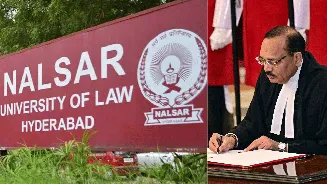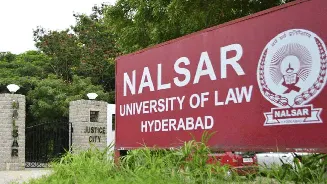








New Delhi: The Bar Council of India (BCI) on Thursday withdrew its decision to ban NALSAR University of Law’s 2026 graduates from enrolling with State
Bar Councils.
The initial directive, issued earlier in the day, had stated that graduates would not be enrolled as advocates “till further orders”. The decision sparked criticism as students feared it could affect their careers and professional opportunities.
NASLSAR-CJI invitation row
Following an emergency discussion, the BCI modified the order and said every student graduating from NALSAR in 2026 could enrol with the State Bar Council of their choice.
The BCI said the majority of the graduating students were not involved in the alleged move to disrespect the Chief Justice of India.
“After thorough discussion, the Members are of the unanimous view that as per the latest report, the vast majority of the students of NALSAR (2026 pass out students) are innocent, and they were not inclined to take part in the move of disrespect,” the council said.
It added that no student should suffer “without any fault on his part”.
The BCI, however, said the issue was not closed. It will wait for an inquiry report from the NALSAR Vice-Chancellor before considering further action.
Teachers accused of instigation
The council also alleged that “a handful of teachers and outsiders” had encouraged students to oppose the invitation to CJI Surya Kant.
“It has further been reported by some reliable sources that a handful of teachers and outsiders were instrumental in instigating the innocent students,” the BCI said.
The council did not identify those allegedly involved or provide details supporting the claim.
Students opposed CJI invitation
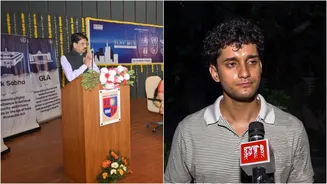
The controversy began after more than 450 NALSAR students from the 2026 batch submitted a representation objecting to the proposed invitation of CJI Surya Kant as chief guest for their convocation.
The students cited concerns over recent judicial proceedings, including a hearing related to alleged police action against protesters during a Parliament march from Delhi’s Jantar Mantar.
They referred to remarks attributed to the CJI during the proceedings and argued that his reported conduct did not align with the constitutional values they associate with their university.
The students clarified that their objection was not against the office of the Chief Justice but concerned the choice of dignitary for their graduation ceremony.
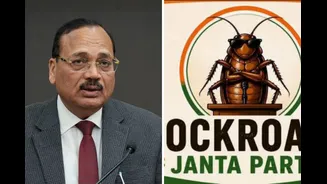
“From referring to the youth as ‘cockroaches’ to making insensitive statements about not having time to watch videos of police brutality, the CJI has shown apathy towards students like us,” the representation said.
The students maintained that a convocation should reflect NALSAR’s commitment to constitutional rights, justice and reasoned discussion of grievances.