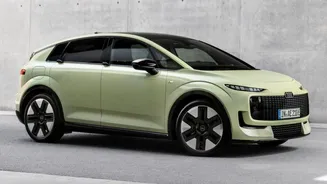










New Delhi: Maruti Suzuki has given the 2026 Baleno facelift a more fuel-efficient petrol engine. The previous 1.2-litre, four-cylinder naturally aspirated
K12N engine has been swapped for Maruti’s 1.2-litre, three-cylinder Z12E unit. This is the same mill used in the Swift and Dzire as well.
In terms of fuel efficiency, the biggest improvement comes with the CNG version, which now claims 33.61km/kg as opposed to the 30.61km/kg previously. The petrol-manual trim has gained 1.45 kpl, while the AMT version is 1.83 kpl more efficient. Interestingly, these surges have come despite the updated Baleno being heavier than its predecessor.
The maximum kerb weight of the petrol-manual version has increased by 30kg to 985kg, while the petrol-AMT now weighs 990kg, also 30kg more. The CNG manual has gained 20kg, taking its weight to 1,055kg.
Maruti Baleno: Mileage comparison
| 2026 Baleno facelift | Pre-facelift Baleno | Improvement | |
| Petrol MT | 23.80kpl | 22.35kpl | 1.45kpl |
| Petrol AMT | 24.77kpl | 22.94kpl | 1.83kpl |
| CNG MT | 33.61km/kg | 30.61km/kg | 3km/kg |
What has the move to Z12E three-cylinder done for performance?
The switch to the Z12E three-cylinder engine has prioritised efficiency over outright performance output. In petrol trim, power drops by 7hp and torque is down by 1Nm. The CNG version also loses 7.5hp, though its torque output improves by 3.5Nm compared with the outgoing engine.
The available transmission choices remain unchanged, with the petrol version coming with 5-speed manual and AMT gearboxes. The CNG model continues with a 5-speed manual. The 2026 Maruti Baleno starts at Rs 6.10 lakh (ex-showroom). The brand hasn’t disclosed the pricing of the entire lineup yet.
By the looks of it, the Baleno comes with a stylish and sporty design, a spacious and premium interior, advanced safety features, which include a touchscreen infotainment system with smartphone connectivity, connected-car technology, a smooth and efficient engine, and improved comfort for everyday driving. Baleno has been given segment-first Level 2 ADAS.
This includes features like adaptive cruise control, lane-keep assist, automatic emergency braking and high-beam assist, among other functions. A tyre-pressure monitoring system (TPMS) has also been added. In terms of standard safety equipment includes six airbags, ABS with EBD and a 360-degree camera.