



New Delhi: Navratri 2026 will begin on October 11. This vibrant festival has already brought joy and fun to people who celebrate it across the globe. Ahead
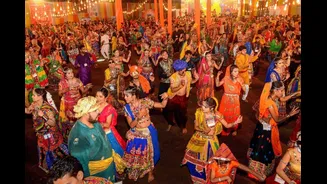
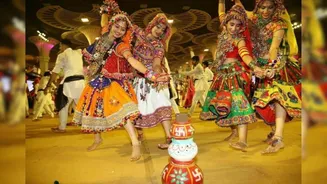
of the nine-day festivity, people start thronging popular markets to buy colourful ethnic wear like chaniya choli, varieties of ornaments and other items. Other than observing fasts and rituals, people also perform traditional dances like Garba and Dandiya Raas. Both dance forms let devotees loose and move to the divine and positive energy around them.
Like any other form of art and craft, Garba has also constantly evolved with the changing times, as India is known for its diversity. Owing to this, today we can see myriad forms of Garba dance across India, turning this festival into an opportunity to experience variety. Here, let’s explore together how these varieties of this traditional dance are different from each other.
Types of Garba celebrated on Navratri nights across India
1. Saurashtra’s Koli Garba
Koli Garba in Saurashtra is a traditional form of folk dance performed by the Koli and Kanbi communities during the Navratri festival, with Gof Gunthan being a prominent example of this intricate style. It is a variation of the broader Raas tradition, different from the more renowned Garba and Dandiya Raas dances, and involves dancers holding sticks and strings tied to a central pole.
2. North Gujarat’s Rabari Garba
Rabari Garba is a traditional folk dance performed by the pastoral Rabari community of North Gujarat, often involving women and displaying elements of Gujarati folk music and dance during Navratri. The community’s Garba performance is rooted in rich cultural heritage, as seen in other forms like Dakla dances that also celebrate folk traditions.
3. Nagar Community’s Betha Garba
Betha Garba, or Sitting Garba, is a devotional practice within the Nagar Brahmin community where participants come together to sing and perform religious songs dedicated to Goddess Amba, but without dancing. Instead of the usual Garba dance, devotees sit and engage in singing with minimal instruments like a dholak or manjira, focusing on devotion and spiritual connection rather than elaborate performances.
4. Maharashtra’s Marathi Garba
Maharashtra’s Marathi Garba is not about a specific type of dance form unique to their culture, but rather it’s about the widespread adoption and celebration of this vibrant Gujarati dance by people during the festival of Navratri.
5. Delhi’s Bollywood Garba
Delhi hosts numerous Bollywood Garba events during Navratri, combining traditional Garba and Dandiya with popular Bollywood music and festive ambience. Events like Global Garba Festival, Rock N Dhol Shubharambh, and various Dandiya nights are scheduled for Navratri 2026, featuring live DJs, food, contests, and curated festive setups.
6. Hyderabad’s Tech Garba
Hyderabad’s Tech Garba is known for holding these cultural events at the city’s tech hubs like HITEC City. Many events in 2026, such as the SK Navratri Utsav and Navkar Navratri Utsav, are scheduled to take place, offering traditional and Bollywood-style dance experiences with DJs, music, and festive activities.
7. Kolkata’s Durga Puja Garba
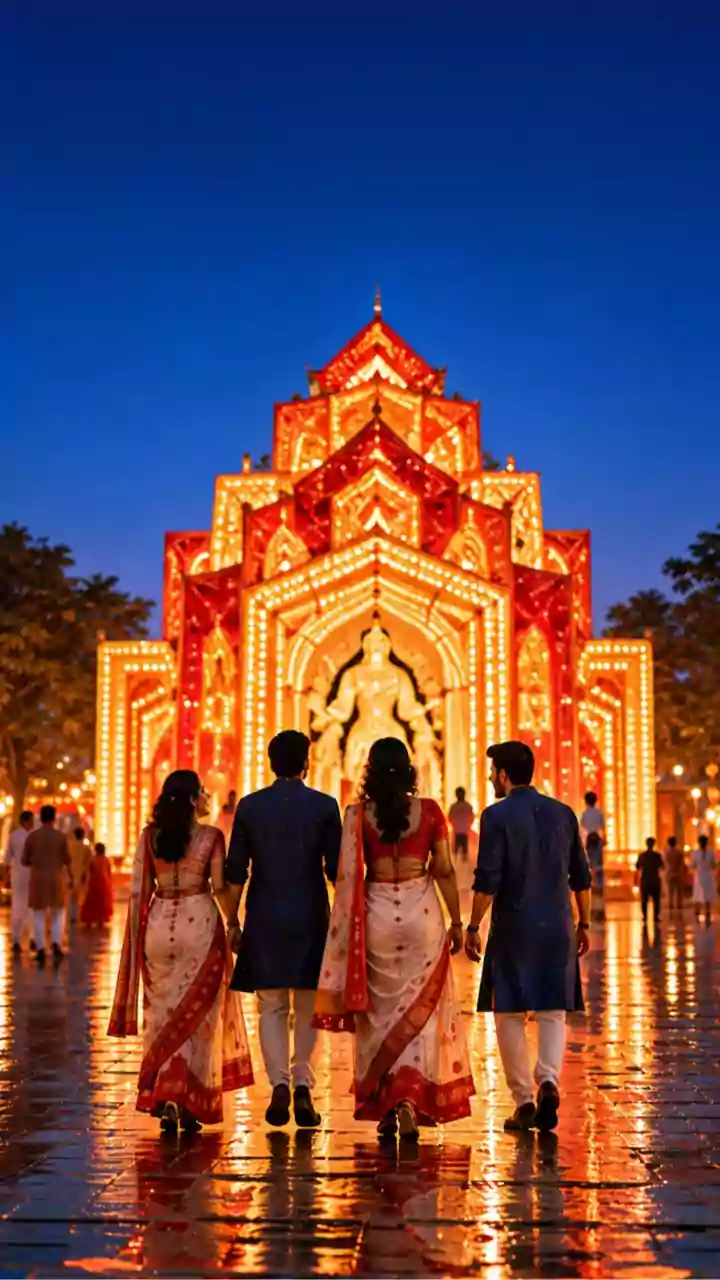
Navratri and Durga Puja, both festivals with different names, celebrate Maa Durga’s victory over evil. While Garba is a traditional dance form in Western India, Kolkata’s few venues and organisers are increasingly incorporating Garba and Dandiya nights into the Durga Puja season as a cross-cultural festive experience. These events offer a fusion of Navratri beats and Durga Puja energy, creating a festive ambience through dance and devotion.
This festive season, whether you travel to Gujarat, Maharashtra or Kolkata for cultural tourism, you will certainly have a glimpse of a unique experience. So, Happy Navratri and Durga Puja!