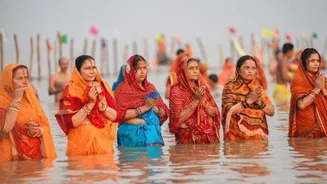






New Delhi: Yellow, orange and red are among the most popular colours women wear during Chhath Puja. These shades are associated with the Sun, auspiciousness,
devotion and prosperity, making them especially meaningful during a festival dedicated to Surya Dev and Chhathi Maiya. Many women choose traditional sarees in these colours for Sandhya Arghya and Usha Arghya, while married women also follow customs involving sindoor and traditional jewellery.
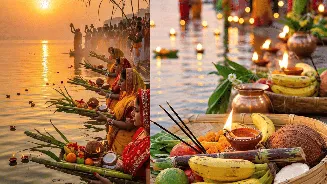
Chhath Puja 2026 will be observed from November 13 to November 16, with the evening offering to the setting Sun on November 15 and the morning offering on November 16. The colours seen at the ghats are closely connected with the festival’s religious beliefs and cultural traditions. Here is what yellow, orange and red represent during Chhath.
Why is yellow considered auspicious during Chhath Puja?
Yellow is closely associated with sunlight, purity, positivity and new beginnings. Since Chhath is dedicated to Surya Dev, wearing yellow is considered a way of honouring the Sun and its life-giving energy.
The colour also has a connection with haldi (turmeric), which holds an important place in Hindu rituals. Turmeric is traditionally associated with purity, auspicious beginnings and protection. This adds to the preference for yellow sarees and suits during religious ceremonies.
For many women, a yellow saree also reflects the warmth and brightness of the Sun. Its golden appearance resembles sunlight, making it a natural choice for the evening and morning Arghya rituals.
What does orange represent during Chhath Puja?
Orange, also known as kesariya or saffron, has strong religious associations in Hindu traditions. It is commonly linked with devotion, spiritual discipline, sacrifice and faith.
During Chhath, orange also brings to mind the changing colours of the sky at sunrise and sunset. These are the two moments when devotees offer Arghya to Surya Dev. The shade therefore fits naturally into a festival centred on the Sun’s daily journey.
Many women choose orange sarees for their Chhath rituals because the colour reflects both religious devotion and the beauty of the morning and evening skies. Saffron and orange shades are also commonly seen in traditional festive clothing.
Why do married women wear red during Chhath Puja?
Red has a special place in Hindu customs, particularly in rituals associated with marriage and family well-being. It is traditionally connected with saubhagya, or the good fortune and prosperity of a married woman.
During Chhath, many married women wear red or maroon sarees while observing the vrat. The colour is associated with Shakti, auspiciousness, energy and marital blessings. Through their prayers, women seek the well-being of their children and families.
Red is also closely connected with traditional bridal and festive clothing. Its presence at Chhath ghats reflects the importance of family traditions passed down through generations.
Unmarried women and other family members may also wear red or other festive colours. The choice is guided by personal preference and household customs.
What is the significance of wearing a saree during Chhath Puja?
The saree is a traditional part of women’s festive clothing in Bihar and neighbouring regions. During Chhath, many women observing the vrat wear a new or freshly washed saree for the rituals.
Some families prefer unstitched garments as a symbol of ritual purity. Others follow their own clothing customs. There is no single dress rule that applies to every Chhath household.
Cotton sarees are a practical choice because the vratin may spend long hours preparing offerings, standing near water and performing the Arghya rituals. Lightweight fabrics are easier to manage than heavily embroidered or embellished garments.
The clothing is also kept simple in many households, reflecting the discipline and devotion associated with the festival.
Why do women apply long sindoor during Chhath Puja?
Another distinctive tradition seen during Chhath is the application of sindoor along the hair parting, sometimes extended towards the tip of the nose. This is particularly followed by married women in Bihar and eastern Uttar Pradesh.
According to popular belief, the long line of sindoor represents a prayer for the husband’s long life and the family’s well-being. Red and orange sindoor are commonly associated with marital auspiciousness.
This custom is separate from the choice of saree colour, although the two often appear together in the traditional Chhath attire.
The yellow, orange and red sarees seen during Chhath Puja carry meanings that go beyond festive dressing. Yellow reflects the light and energy of Surya Dev, orange represents devotion and spiritual discipline, while red is associated with auspiciousness and family well-being. Together, these colours add to the cultural identity of Chhath and reflect the faith, traditions and prayers that families carry from one generation to the next.
(Written by Tanya Singh. For feedback, please write to hello@astropatri.com)