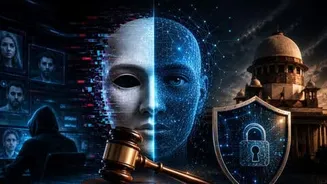






New Delhi: India could get a dedicated law to protect people from AI-made deepfakes that copy their face, voice or appearance without permission. BJP MP
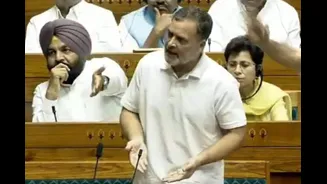
Baijayant Panda has proposed The Protection of Personality Likeness from Artificial Intelligence Misuse Bill, 2026, which is listed to be introduced in the Lok Sabha.
The Bill targets realistic AI-generated images, videos and audio that can make it appear that a person said, did or endorsed something when they actually did not. It proposes consent rules, takedown timelines for online platforms, civil remedies and criminal penalties in serious cases. The Bill is dated February 25, 2026.
Read more: Tabu moves Delhi High Court over personality rights
What does the AI personality likeness Bill propose?
At the centre of the proposal is a simple rule. A person should not create, publish or distribute a realistic AI imitation of another individual without prior consent if it could fool the public.
The Bill defines consent as free, informed and explicit permission recorded in a verifiable form.
It would cover AI-generated versions of:
- A person’s face
- Voice
- Physical appearance
- Other distinctive personal features
The restriction would apply to commercial and non-commercial use.
The Bill’s Statement of Objects and Reasons says AI tools are increasingly being used to “impersonate individuals, mislead the public, commit fraud, and cause serious harm to personal dignity and reputation.”
Read More: Personality Rights explained: Why injunction orders are the need of …
Platforms could face 24-hour takedown rule
Online intermediaries that receive actual knowledge or notice of violating content would have to remove or disable access within 24 hours.
For sexually explicit AI-generated material, the proposed deadline drops to 12 hours.
Platforms would also need a grievance system for complaints involving AI-generated likeness misuse.
Read more: Delhi High Court grants Kajol protection against deepfakes and AI …
Jail term and ₹10 lakh fine proposed
The Bill proposes criminal punishment where someone knowingly creates or distributes an AI-generated imitation for impersonation, fraud, deception, or sexually explicit or obscene content.
The punishment could include up to three years in jail, a fine of up to ₹10 lakh, or both.
Victims could separately seek an injunction, removal of the content and damages for harm to dignity or reputation.
Read More: Delhi HC grants personality rights protection to Allu Arjun
What about news, parody and satire?
The proposal contains exceptions for genuine news reporting, public affairs and matters of public interest, provided the use is factual and does not use realistic AI imitation to mislead people.
Parody, satire, caricature and artistic expression would also receive protection where the material is clearly non-realistic and does not cause substantial harm.
The Bill extends protection to deceased persons for 10 years after death, with consent required from legal heirs or lawful representatives.