



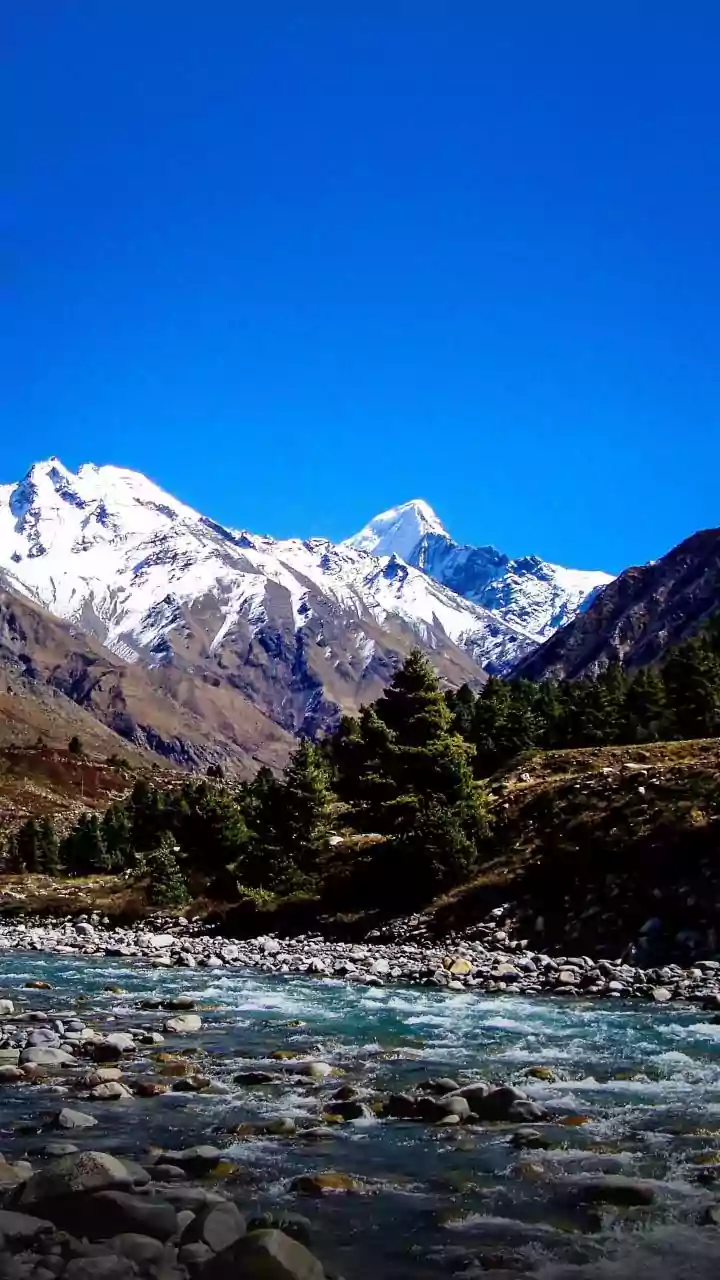

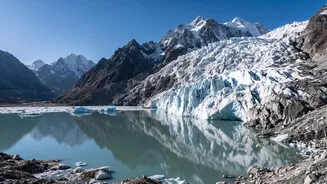

New Delhi: The devastating glacial collapse and flash floods along the Nepal-China border are a stark reminder of the growing vulnerability of the Hindu
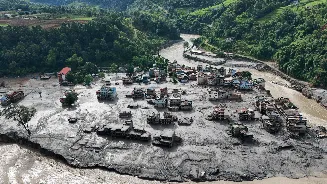
Kush Himalayas to climate change, UN climate chief Simon Stiell said on Sunday. The disaster has killed hundreds of people and left thousands missing across Nepal and Tibet, after an ice-rock avalanche triggered a torrent of water, mud and debris downstream.
Stiell, executive secretary of the United Nations Framework Convention on Climate Change (UNFCCC), said scientists and local communities had been warning for years about the risks facing the Hindu Kush Himalayas. He said a warming climate was making disasters of this nature more likely, frequent and severe, with vulnerable communities bearing the greatest burden.
“We also know a warming climate, driven by humanity burning colossal amounts of coal, oil and gas, is making tragedies like this one, and so many others around the world, much more likely, frequent and severe, with vulnerable communities often hardest hit,” Stiell said.
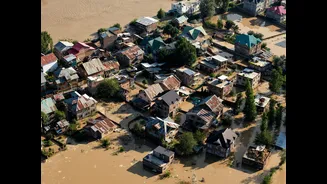
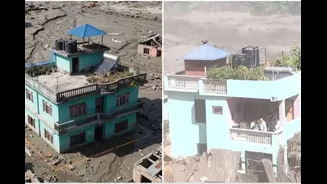
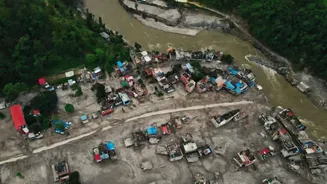
The comments came as rescue teams continued searching for people missing after the August 26 disaster. Nepal’s death toll had risen to 788 by Sunday, with more than 2,500 people still missing, according to Nepal’s disaster management authorities. The floods also devastated infrastructure, including bridges, roads and hydropower facilities, while the difficult terrain and threat of further flooding have complicated rescue operations.
What caused the Nepal floods?
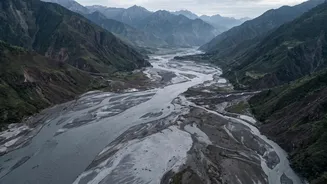
Preliminary scientific assessments have linked the disaster to a glacial collapse and subsequent ice-rock avalanche near the Nepal-Tibet border. The collapse sent enormous quantities of ice, rock and debris into river systems, producing a sudden surge downstream. The Bhotekoshi and other rivers carried the floodwaters into populated valleys, where communities had little time to respond.
The disaster has renewed concerns about the vulnerability of the Hindu Kush Himalayan region, where rising temperatures are changing glaciers, snow cover and mountain hydrology. Experts have also highlighted the importance of monitoring glaciers, unstable slopes and river levels and sharing data across borders, since hazards originating in the high mountains can rapidly affect communities downstream.
Stiell said the response to global warming was also clear, calling for a faster transition away from fossil fuels and greater investment in climate resilience.” But the solutions to global heating are equally clear — especially a faster global shift from fossil fuels to renewables and more investment in climate resilience,” he said.