




New Delhi: Chhath Puja 2026 will be observed from November 13 to November 16, and food plays an important role in all four days of the festival. Devotees
begin with a simple sattvik meal of lauki, chana dal and rice on Nahay Khay. On Kharna, they prepare jaggery kheer and roti as prasad. This is followed by a traditional 36-hour nirjala fast, which continues through Sandhya Arghya and ends after Usha Arghya.
During Chhath, devotees generally avoid onion, garlic, meat, fish, eggs and outside food. Cleanliness and the use of fresh ingredients are equally important. However, the exact food rules can differ between families and regional traditions.
Chhath Puja 2026: Four-day food schedule
Day Date What is eaten
Nahay Khay November 13, Friday Lauki, chana dal and rice
Kharna November 14, Saturday Jaggery kheer and roti
Sandhya Arghya November 15, Sunday Traditional prasad is prepared and offered
Usha Arghya and Parana November 16, Monday Fast is completed after morning prayers
1. Nahay Khay: What should devotees eat?
Nahay Khay marks the beginning of Chhath Puja. Devotees take a ritual bath, clean their homes and prepare a simple vegetarian meal. The traditional food is known as Kaddu Bhaat, which includes three main preparations:
- Lauki or kaddu ki sabzi: Bottle gourd is cooked with simple spices and ghee.
- Chana dal: A freshly prepared lentil dish served with rice.
- Arwa chawal: Plain rice, which completes the traditional meal.
Sendha namak (rock salt) is commonly used instead of regular table salt, while pure ghee is preferred in many households. The meal is prepared without onion and garlic. Many devotees eat only one meal on Nahay Khay. It is considered the first step towards the dietary discipline followed during the remaining days.
2. Kharna: What is the traditional prasad?
Kharna, also known as Lohanda, falls on November 14. Devotees generally fast throughout the day and prepare a special meal in the evening after prayers.
The traditional Kharna prasad includes:
- Rasiya or jaggery kheer: Rice is cooked in milk and sweetened with jaggery.
- Roti: Usually prepared using wheat flour and ghee.
- Bananas and other fruits: Offered according to family tradition.
The prasad is first offered during the ritual and then consumed by the vratin. Family members may also receive it. This meal is particularly important because the strict nirjala fast begins after Kharna. Devotees traditionally abstain from both food and water until the concluding morning rituals.
3. Sandhya Arghya: What do devotees eat on the third day?
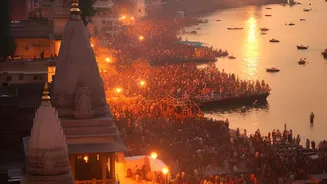
On November 15, devotees observe Sandhya Arghya and offer prayers to the setting Sun. Those observing the traditional nirjala vrat do not eat or drink during this period.
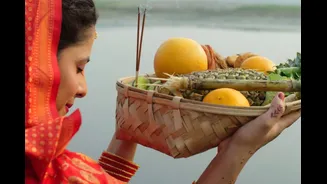
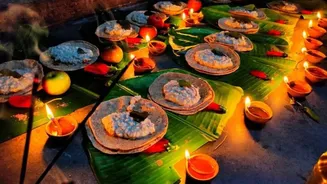
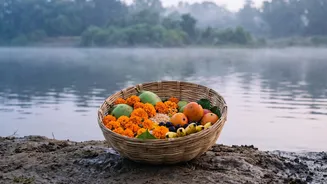
Families prepare traditional prasad and arrange it in bamboo baskets called soop and daura. Some of the common offerings include:
- Thekua made with wheat flour, jaggery and ghee
- Kasar or rice flour laddoos
- Bananas and coconut
- Sugarcane
- Sweet potato and seasonal fruits
- Singhara (water chestnut)
- Other traditional fruits and offerings
The offerings are prepared with care and are not treated as regular snacks. They are first presented to Surya Dev and Chhathi Maiya during the rituals. Thekua is among the most recognisable foods associated with Chhath Puja.
4. Usha Arghya and Parana: When can devotees eat again?
The four-day observance concludes on November 16 with Usha Arghya. Devotees offer prayers to the rising Sun before completing their fast.
After the morning offering and concluding rituals, the vratin performs Parana. This marks the end of the fast. Families traditionally break the fast with water and prasad, followed by food according to their household customs.
Thekua, fruits and other offerings are shared with family members, neighbours and visitors. The distribution of prasad is an important part of the festival.
What should you avoid eating during Chhath Puja?
Food restrictions are followed to maintain the sattvik nature of the observance. Although practices differ, the following restrictions are common in many households:
- Onion and garlic: These are generally avoided in food prepared during the four-day observance.
- Non-vegetarian food: Meat, fish and eggs are avoided. Many families follow this restriction throughout the household, not only for the person observing the vrat.
- Outside and processed food: Devotees generally prefer freshly prepared homemade meals and avoid packaged or restaurant food during the observance.
- Stale or leftover food: Freshly cooked food is preferred, particularly for Nahay Khay and ritual offerings.
- Alcohol and intoxicants: These are avoided during the festival.
Regular salt in vrat preparations: Many families use sendha namak in place of regular salt. Kharna kheer and its traditional prasad are generally prepared without salt.
Why is food prepared with so much care during Chhath?
Chhath Puja places great importance on purity, discipline and devotion. The care taken while preparing food is considered part of the observance itself. Many families clean their kitchens and utensils thoroughly, use separate cooking arrangements and ensure that prasad is handled respectfully.
Traditional foods such as thekua, jaggery kheer and kaddu bhaat also connect the festival with family customs passed down through generations.
The rules may vary by household and region, so devotees usually follow their family’s established practices. The strict nirjala fast can be physically demanding. People with medical conditions, those taking regular medication and pregnant women should seek medical advice before attempting prolonged fasting or avoiding water.
For devotees, the four-day food routine is an essential part of Chhath’s discipline, leading from the first meal on Nahay Khay to the final Parana after Usha Arghya.
(Written by Tanya Singh. For feedback, please write to hello@astropatri.com)