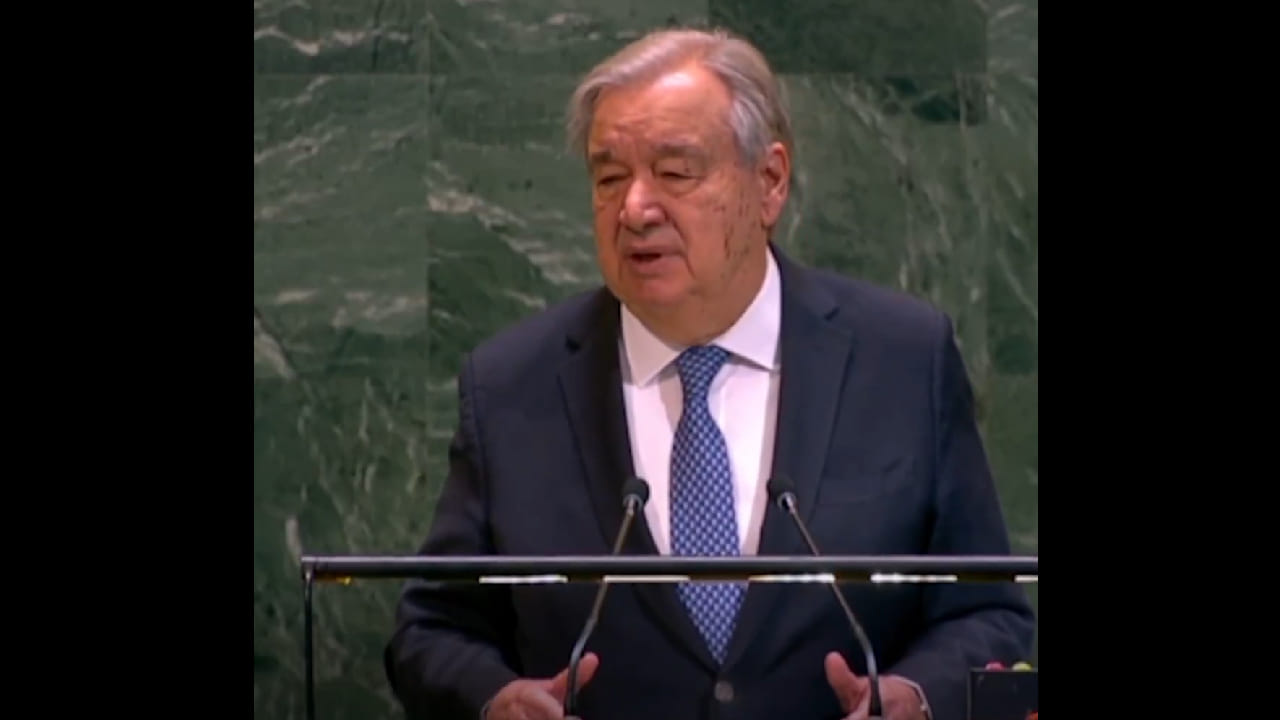






New Delhi: UN Secretary-General Antonio Guterres has called for reform of the UN Security Council, saying the body must reflect the realities of today’s
world and become more legitimate and effective in dealing with global crises.
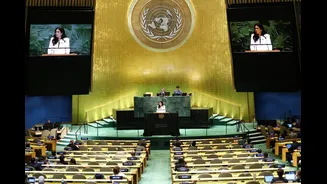
Speaking at the opening of the 81st session of the UN General Assembly on Tuesday, Guterres said the Security Council was created in the aftermath of World War II, but the world has changed fundamentally since then. “We must also reform the Security Council so that it reflects today’s world with the legitimacy and effectiveness that today’s challenges demand,” Guterres told world leaders.
The remarks came during Guterres’ final high-level UNGA week as secretary-general. His second five-year term ends in December 2026.
Guterres highlights Africa’s absence from permanent membership
Guterres singled out Africa as the ‘most stunning example’ of the Security Council’s outdated structure. He noted that when the UN was founded, much of Africa was still under colonial rule, while the continent today has no permanent representation on the Council.
“A 21st-century Security Council without permanent African representation is unjust and indefensible. This must change,” he said, drawing applause from leaders in the General Assembly hall.
The Security Council currently has 15 members, five permanent members and 10 elected members. The permanent five are China, France, Russia, the United Kingdom and the United States, all of which possess veto power.
India has long pushed for Security Council reform
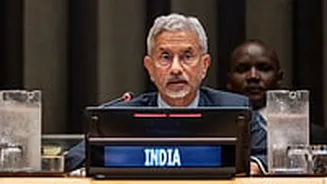
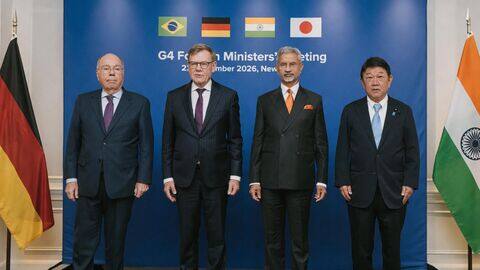
India too has for years called for an expansion of the Security Council in both its permanent and non-permanent categories. New Delhi argues that a body created in 1945 cannot adequately represent the geopolitical and economic realities of the 21st century.
India is also seeking a non-permanent seat on the Council for the 2028-29 term, with elections scheduled for June 2027.
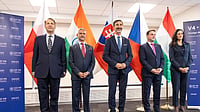
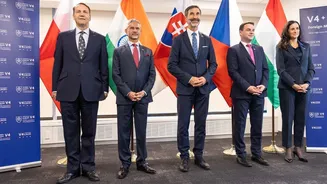
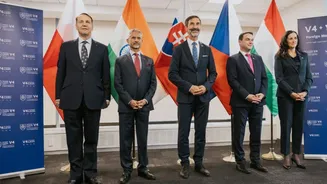
The issue has gained fresh attention at this year’s UNGA. Four European countries belonging to the Visegrád Group, Hungary, Poland, Slovakia and the Czech Republic, have also expressed support for India’s bid for permanent membership of the Security Council.
Guterres’ broader message was that global institutions need to catch up with shifts in economic, political and technological power. In his final UNGA address, he also called for stronger international cooperation on artificial intelligence, an end to wars and greater action on climate change.