





New Delhi: Karwa Chauth is a day filled with prayers, festive preparations and family traditions. From waking up early for Sargi to waiting for the Moon
in the evening, every ritual adds something special to the celebration. In 2026, Karwa Chauth falls on Thursday, October 29.
Planning to observe the vrat this year? Here is a simple guide to Karwa Chauth Puja Vidhi, covering everything from the morning meal and Puja preparations to the Vrat Katha and Moon-sighting ritual.
Step 1: Begin the Day With Sargi
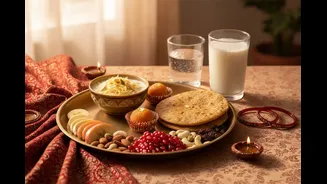
Sargi is the pre-dawn meal traditionally given by a mother-in-law to her daughter-in-law. It is eaten before sunrise, when the day’s fast begins.
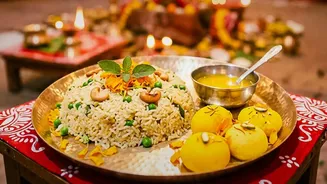
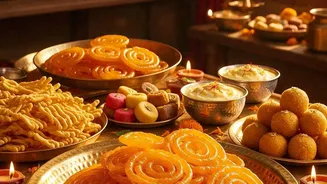
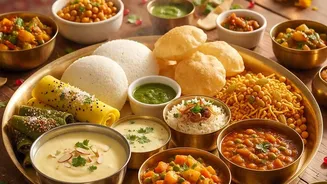
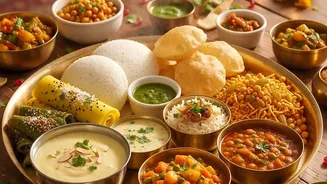
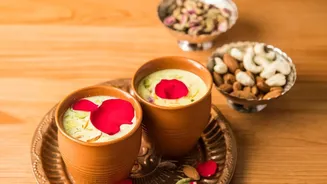
A Sargi thali usually includes fruits, dry fruits, sweets, coconut and pheni or vermicelli cooked in milk. Some families also prepare savoury dishes. The menu depends on regional and family traditions.
Many women wake up early, freshen up and enjoy Sargi with their families before beginning the fast.
Step 2: Observe the Karwa Chauth Fast
After Sargi, women traditionally fast throughout the day until the Moon is sighted. Many observe a nirjala vrat, which means avoiding both food and water.
Fasting practices can differ between families. Health should always come first, especially for pregnant women and people with medical conditions or medicines that require regular food or water. Seek medical advice before undertaking a prolonged or waterless fast.
Step 3: Prepare the Karwa Chauth Puja Samagri
Gathering the Puja essentials beforehand makes the evening rituals easier. Common items include:
- An earthen Karwa or water pot and a lota.
- A Puja thali, diya, cotton wicks, ghee or oil.
- Roli or kumkum, rice grains and flowers.
- Sweets, fruits and prasad.
- Pictures or idols of Goddess Parvati, Lord Shiva and Lord Ganesha, as per family tradition.
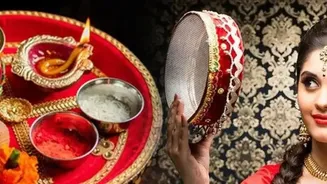
- A sieve or chalni for the Moon-sighting ritual.
- The Karwa Chauth Vrat Katha.
Some households include additional items according to their customs, so follow the Puja list traditionally used by your family.
Step 4: Get Ready for the Evening Puja
As evening approaches, many women dress in festive clothes, wear traditional jewellery and apply mehendi. Red and maroon are popular choices, although there is no single dress code for the festival.
Set up the Puja area with the Karwa, diya, offerings and images of the deities. In many traditions, Goddess Parvati is worshipped as Gaura Mata alongside Lord Shiva and Lord Ganesha.
Step 5: Perform the Puja and Listen to the Vrat Katha
During the local Puja Muhurat, devotees offer prayers and listen to or recite the Karwa Chauth Vrat Katha.
One of the best-known stories features Veeravati, whose brothers trick her into believing that the Moon has risen before it actually has. She breaks her fast prematurely and later seeks divine grace through devotion and prayer. The story is traditionally associated with faith, patience and the importance of following the vrat with devotion.
In some communities, women gather for group Puja, sing devotional songs or pass their thalis around as part of the ritual. These customs vary by region.
Step 6: Wait for the Moon and Offer Arghya
After the evening Puja, the wait for the Moon begins. Once it is visible, women traditionally offer Arghya, usually water, to Chandra Dev and pray for their husbands’ well-being.
A familiar Karwa Chauth custom is to look at the Moon through a sieve and then look at the husband through it. Some families place a lit diya on the sieve, while others follow a simpler ritual.
Step 7: Break the Karwa Chauth Fast
After the Moon-sighting ritual, women break their fast according to family tradition. In many households, the husband offers his wife water and a morsel of food before the couple shares a meal.
If clouds hide the Moon, check the local Moonrise time and follow your family’s customary practice or seek guidance from a trusted priest. Rituals can differ between communities.
Karwa Chauth brings together traditions that have been cherished across generations. From sharing Sargi in the morning to offering prayers under the Moon, following your family’s customs and checking the local Puja timings can help make the day feel more meaningful and relaxed.
Written by: Tanya Singh of Astropatri.com. For feedback, please write to hello@astropatri.com.