



What is the story about?
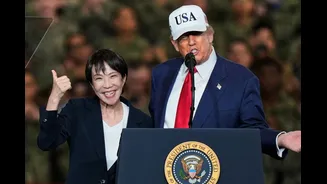
United States President Donald Trump has intensified his rhetoric against Cuba, stating that he could do "anything I want" with the island nation even as Washington and Havana engage in discussions aimed at easing long-strained relations.
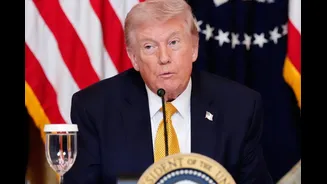
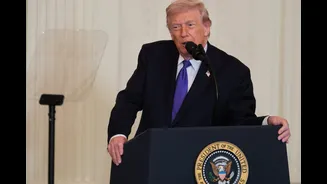
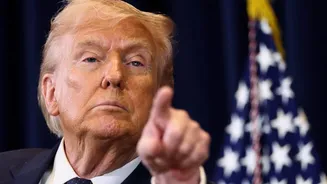
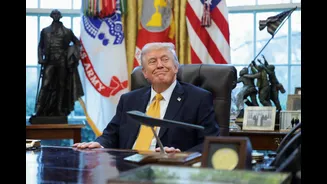
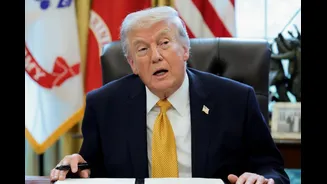
Speaking to reporters in the Oval Office on Monday, March 16, Trump suggested that the United States could take control of Cuba in some form.
"You know, all my life I’ve been hearing about the United States and Cuba. When will the United States do it? I do believe I'll be... having the honour of taking Cuba. That's a big honuor. Taking Cuba in some form," he said.
"I mean, whether I free it, take it. Think I can do anything I want with it," Trump added.
The comments come at a time when Cuba is grappling with an unprecedented economic crisis. The difficulties have been compounded by a US oil blockade following Washington’s capture of former Venezuelan President Nicolás Maduro earlier this year.
Pressure on Cuban leadership
Removing Cuban President Miguel Díaz-Canel is a key objective for Washington in the talks with the island nation, the New York Times(NYT), reported citing four people familiar with ongoing discussions.
Also Read: Iran-US-Israel War Live Update
US negotiators have signalled that Díaz-Canel must step down, though the method for doing so has been left to Cuban authorities, as per the report.
Havana has historically rejected outside interference in its domestic affairs. Díaz-Canel, who took office in 2018 after succeeding Fidel Castro and his brother Raúl Castro, has said that any discussions with the United States must take place "under the principles of equality and respect for the political systems of both countries, sovereignty and self-determination," as per Reuters.
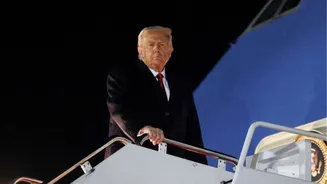
Trump has recently suggested that Cuba could be the next target after Washington joined Israel in strikes against Iran. On Sunday, speaking aboard Air Force One, he said: "We're talking to Cuba, but we're going to do Iran before Cuba."
Despite decades of hostility between Washington and Havana, the US has historically avoided military intervention in Cuba since commitments made during the Cuban Missile Crisis. The White House has yet to outline any legal grounds for potential action against the island nation.
Nationwide blackout in Cuba deepens crisis
Meanwhile, Cuba’s national electricity grid collapsed on Monday, March 16, plunging around 10 million people into darkness.
The grid operator said it was investigating the cause of the outage while gradually restoring power to small clusters of circuits, as per Reuters.
Also Read: Dubai indefinitely bans all foreign airlines from landing at airports amid West Asia crisis
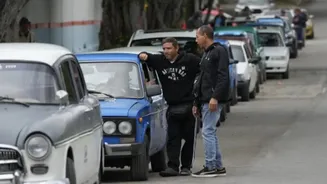
Officials ruled out a major power plant failure but indicated the disruption may stem from transmission problems. The blackout comes amid severe fuel shortages caused by reduced oil imports and halted Venezuelan supplies.
Speaking to reporters in the Oval Office on Monday, March 16, Trump suggested that the United States could take control of Cuba in some form.
"You know, all my life I’ve been hearing about the United States and Cuba. When will the United States do it? I do believe I'll be... having the honour of taking Cuba. That's a big honuor. Taking Cuba in some form," he said.
"I mean, whether I free it, take it. Think I can do anything I want with it," Trump added.
The comments come at a time when Cuba is grappling with an unprecedented economic crisis. The difficulties have been compounded by a US oil blockade following Washington’s capture of former Venezuelan President Nicolás Maduro earlier this year.
Pressure on Cuban leadership
Removing Cuban President Miguel Díaz-Canel is a key objective for Washington in the talks with the island nation, the New York Times(NYT), reported citing four people familiar with ongoing discussions.
Also Read: Iran-US-Israel War Live Update
US negotiators have signalled that Díaz-Canel must step down, though the method for doing so has been left to Cuban authorities, as per the report.
Havana has historically rejected outside interference in its domestic affairs. Díaz-Canel, who took office in 2018 after succeeding Fidel Castro and his brother Raúl Castro, has said that any discussions with the United States must take place "under the principles of equality and respect for the political systems of both countries, sovereignty and self-determination," as per Reuters.
Trump has recently suggested that Cuba could be the next target after Washington joined Israel in strikes against Iran. On Sunday, speaking aboard Air Force One, he said: "We're talking to Cuba, but we're going to do Iran before Cuba."
Despite decades of hostility between Washington and Havana, the US has historically avoided military intervention in Cuba since commitments made during the Cuban Missile Crisis. The White House has yet to outline any legal grounds for potential action against the island nation.
Nationwide blackout in Cuba deepens crisis
Meanwhile, Cuba’s national electricity grid collapsed on Monday, March 16, plunging around 10 million people into darkness.
The grid operator said it was investigating the cause of the outage while gradually restoring power to small clusters of circuits, as per Reuters.
Also Read: Dubai indefinitely bans all foreign airlines from landing at airports amid West Asia crisis
Officials ruled out a major power plant failure but indicated the disruption may stem from transmission problems. The blackout comes amid severe fuel shortages caused by reduced oil imports and halted Venezuelan supplies.