







What is the story about?
Rising oil prices following the US-Israeli war on Iran are beginning to have a ripple effect through Asia. It has now pushed several governments to introduce emergency measures aimed at conserving fuel and protecting domestic energy supplies.
From work-from-home recommendations to fuel subsidies and price caps, governments are adjusting their policies quickly as markets react to the conflict.
Some steps focus on reducing consumption. Others aim to shield consumers from price spikes.
Vietnam urges work-from-home to cut fuel consumption
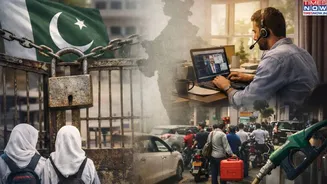
Vietnam’s Ministry of Industry and Trade has urged businesses to allow more employees to work from home where possible. Officials said the move could help lower fuel use as the country deals with supply disruptions tied to the conflict. The ministry has also taken steps on the supply side. Tariffs on certain fuel imports are being removed in an effort to stabilise availability and ease pressure on domestic markets.
Pakistan and Bangladesh close schools to conserve energy
Pakistan has introduced similar conservation measures. Prime Minister Shehbaz Sharif announced that schools would close for two weeks, while many office workers would be encouraged to work remotely. The government said the decision forms part of a wider push to cut public spending and reduce fuel consumption asoil prices rise globally.
Bangladesh is taking a slightly different approach. The country imports about 95% of its energy needs, leaving it exposed to supply shocks. Authorities have ordered all universities to shut starting Monday, bringing forward Eid al-Fitr holidays in a desperate bid to conserve electricity and fuel.
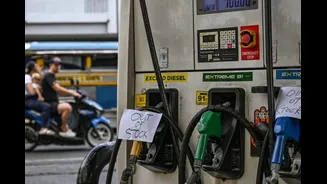
Earlier this month, Bangladesh also imposed limits on daily fuel sales after panic buying followed developments in the Middle East. Gas shortages have already forced several fertilizer factories to halt production.
South Korea, Japan, China and Indonesia move to stabilise fuel prices
Elsewhere in Asia, governments are focusing on market interventions as they continue navigating the ongoing fuel crisis.
ALSO READ | Iran war squeezes LPG supply: Commercial gas halted in Punjab, Maharashtra; eateries, crematoriums hit: Report
South Korea
South Korean President Lee Jae-myung said the government is preparing to cap domestic fuel prices for the first time in nearly three decades. Officials said the country currently holds oil reserves sufficient for about 208 days of consumption. The maximum price could be adjusted every two weeks if necessary.
Japan
Japan has instructed managers of national oil reserves to prepare potential crude releases and is also considering subsidies aimed at easing the burden on households.
Indonesia
Indonesia is expanding fuel subsidies within its national budget, allocating funds to stabilise fuel and electricity prices through state energy companies. Authorities are reportedly revisiting plans to introduce B50 biodiesel - a blend using 50% palm-oil-based fuel.
China
China has directed refiners to pause new fuel export contracts and cancel existing ones, prioritizing domestic supply. The move doesn't apply to international jet fuel refuelling. This has eased some global pressure but strained exporters.
Global response grows as governments try to manage fuel supply shock
Europe has also begun reacting. In Hungary, Prime Minister Viktor Orbán announced a temporary cap on fuel prices and called on the European Union to suspend sanctions affecting Russian energy.
For now, only a handful of governments have issued explicit work-from-home recommendations linked directly to the fuel crisis. But across regions, the policies are taking a similar shape - conserve energy, stabilise markets, and prepare for a prolonged period of uncertainty in global oil supply.
From work-from-home recommendations to fuel subsidies and price caps, governments are adjusting their policies quickly as markets react to the conflict.
Some steps focus on reducing consumption. Others aim to shield consumers from price spikes.
Vietnam urges work-from-home to cut fuel consumption
Vietnam’s Ministry of Industry and Trade has urged businesses to allow more employees to work from home where possible. Officials said the move could help lower fuel use as the country deals with supply disruptions tied to the conflict. The ministry has also taken steps on the supply side. Tariffs on certain fuel imports are being removed in an effort to stabilise availability and ease pressure on domestic markets.
Pakistan and Bangladesh close schools to conserve energy
Pakistan has introduced similar conservation measures. Prime Minister Shehbaz Sharif announced that schools would close for two weeks, while many office workers would be encouraged to work remotely. The government said the decision forms part of a wider push to cut public spending and reduce fuel consumption asoil prices rise globally.
Bangladesh is taking a slightly different approach. The country imports about 95% of its energy needs, leaving it exposed to supply shocks. Authorities have ordered all universities to shut starting Monday, bringing forward Eid al-Fitr holidays in a desperate bid to conserve electricity and fuel.
Earlier this month, Bangladesh also imposed limits on daily fuel sales after panic buying followed developments in the Middle East. Gas shortages have already forced several fertilizer factories to halt production.
South Korea, Japan, China and Indonesia move to stabilise fuel prices
Elsewhere in Asia, governments are focusing on market interventions as they continue navigating the ongoing fuel crisis.
ALSO READ | Iran war squeezes LPG supply: Commercial gas halted in Punjab, Maharashtra; eateries, crematoriums hit: Report
South Korea
South Korean President Lee Jae-myung said the government is preparing to cap domestic fuel prices for the first time in nearly three decades. Officials said the country currently holds oil reserves sufficient for about 208 days of consumption. The maximum price could be adjusted every two weeks if necessary.
Japan
Japan has instructed managers of national oil reserves to prepare potential crude releases and is also considering subsidies aimed at easing the burden on households.
Indonesia
Indonesia is expanding fuel subsidies within its national budget, allocating funds to stabilise fuel and electricity prices through state energy companies. Authorities are reportedly revisiting plans to introduce B50 biodiesel - a blend using 50% palm-oil-based fuel.
China
China has directed refiners to pause new fuel export contracts and cancel existing ones, prioritizing domestic supply. The move doesn't apply to international jet fuel refuelling. This has eased some global pressure but strained exporters.
Global response grows as governments try to manage fuel supply shock
Europe has also begun reacting. In Hungary, Prime Minister Viktor Orbán announced a temporary cap on fuel prices and called on the European Union to suspend sanctions affecting Russian energy.
For now, only a handful of governments have issued explicit work-from-home recommendations linked directly to the fuel crisis. But across regions, the policies are taking a similar shape - conserve energy, stabilise markets, and prepare for a prolonged period of uncertainty in global oil supply.