





What is the story about?
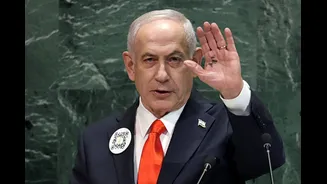
During a press conference on March 20 at 12:30 AM IST, Israeli Prime Minister Benjamin Netanyahu addressed the media as Iran launched another wave of missiles at Israel, while rejecting claims that Israel had pushed the United States into the war.
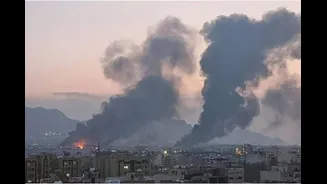
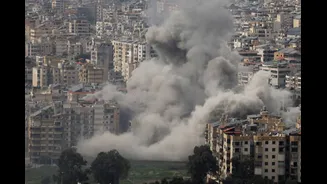
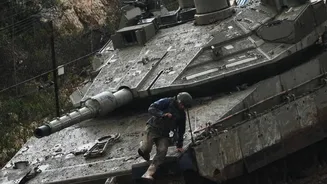
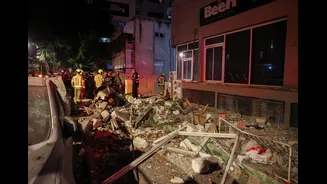
The latest missile attack was announced by Iran’s Islamic Revolutionary Guard Corps (IRGC) and took place even as Netanyahu was speaking, underscoring the continuing escalation in the conflict following nearly three weeks of sustained US-Israeli airstrikes.
Netanyahu said Iran can no longer enrich uranium or produce ballistic missiles, its capabilities are degraded. He maintained that the joint military campaign had dealt a major blow to Iran’s strategic capacity.
The Israeli Prime Minister also acknowledged losses within Israel as a result of Iranian attacks and expressed condolences to the families of those killed. He warned that IRGC commanders would face consequences, saying they would have “short shifts”.
On the question of internal change in Iran, Netanyahu said it remained unclear whether the Iranian people would rise up against the clerical regime. He stressed that such a shift could not be achieved through aerial operations alone, stating that “you can’t do a revolution from the air” and that a ground component would be necessary.
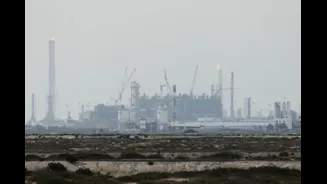
Also read: Qatar LNG output hit hard by Iran attacks, repairs may take up to five years
He further dismissed Iran’s threat to shut the Strait of Hormuz, calling it an attempt to “blackmail the world”. Netanyahu said any such move targeting the key international maritime route would fail.
The exchange of attacks highlights the deepening crisis, with hostilities continuing alongside hardened military and political positions.
WATCH
LIVE: Prime Minister Benjamin Netanyahu's statements to the media (in both English and Hebrew) https://t.co/bNNslitE6P
— Prime Minister of Israel (@IsraeliPM) March 19, 2026
The latest missile attack was announced by Iran’s Islamic Revolutionary Guard Corps (IRGC) and took place even as Netanyahu was speaking, underscoring the continuing escalation in the conflict following nearly three weeks of sustained US-Israeli airstrikes.
Netanyahu said Iran can no longer enrich uranium or produce ballistic missiles, its capabilities are degraded. He maintained that the joint military campaign had dealt a major blow to Iran’s strategic capacity.
The Israeli Prime Minister also acknowledged losses within Israel as a result of Iranian attacks and expressed condolences to the families of those killed. He warned that IRGC commanders would face consequences, saying they would have “short shifts”.
On the question of internal change in Iran, Netanyahu said it remained unclear whether the Iranian people would rise up against the clerical regime. He stressed that such a shift could not be achieved through aerial operations alone, stating that “you can’t do a revolution from the air” and that a ground component would be necessary.
Also read: Qatar LNG output hit hard by Iran attacks, repairs may take up to five years
He further dismissed Iran’s threat to shut the Strait of Hormuz, calling it an attempt to “blackmail the world”. Netanyahu said any such move targeting the key international maritime route would fail.
The exchange of attacks highlights the deepening crisis, with hostilities continuing alongside hardened military and political positions.