On
16 April 2025, Himanshi Narwal married Lieutenant Vinay Narwal of the Indian Navy at a destination wedding in Mohali. Both families shared the expenses equally. The couple had known each other's families for nearly 30 years before someone finally thought to bring them together. Six days later, on 22 April, Vinay was shot in the neck, chest, and thigh in Baisaran Valley, Pahalgam, and collapsed in front of his wife. He was 26 years old. They had chosen Kashmir over Switzerland for their honeymoon because it fitted his leave.Also Read: Anga, Banga, Kalinga: How Three Ancient Regions Became A Modern Metaphor In 2026
The Photograph That Named an Operation
Of the 26 people killed in Baisaran Valley that afternoon, 25 were tourists, and one was Syed Adil Hussain Shah, a local pony operator who died trying to protect them. Among the victims were honeymooners, families with young children, and two serving members of the Indian armed forces: Lieutenant Narwal and Corporal Tage Hailyang of the Indian Air Force, who was from Ziro in Arunachal Pradesh and was also holidaying with his wife.
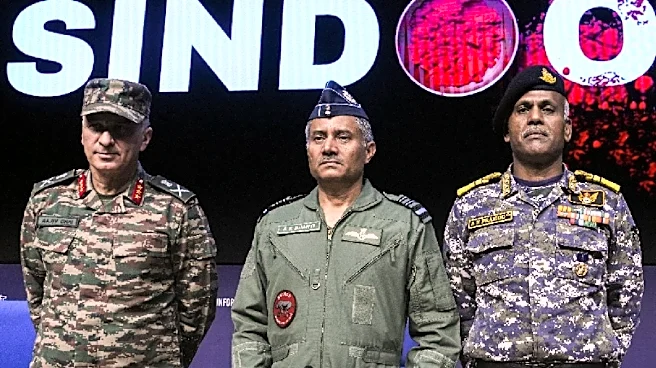
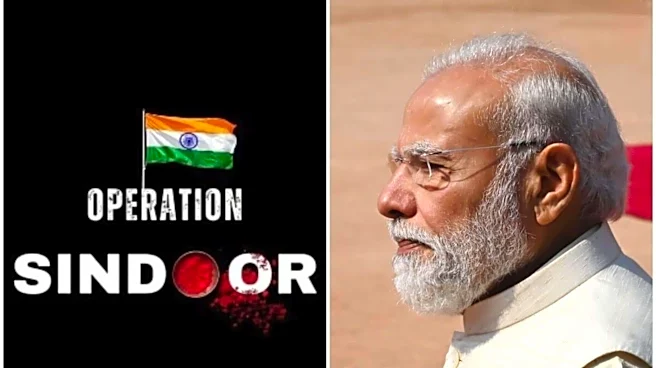
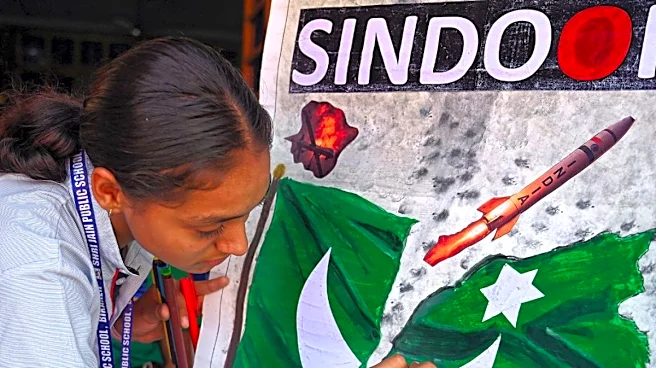
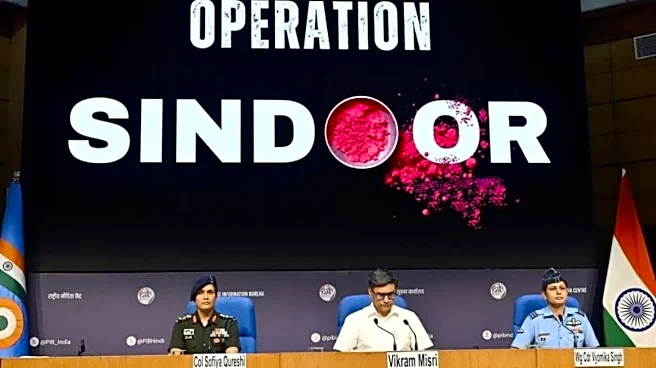
In the days that followed, one image circulated more widely than any other: Himanshi, sindoor still fresh in her hair, beside her husband's body draped in the tricolour. When India launched its military response on the intervening night of 6 and 7 May, striking nine terror infrastructures across Pakistan and Pakistan-occupied Kashmir, the operation was named Sindoor. The name was not abstract. It was drawn directly from Himanshi's photograph, from the vermilion in her parting that marked a marriage that had lasted less than a week.
A Family That Questions Everything
Vinay was cremated with full military honours in Karnal, Haryana. His father, Rajesh Narwal, his twin sister Srishti, and Himanshi were present. Senior officials and members of the armed forces paid their respects. In the dining room of the Narwal family home, a photograph now reads: "Shaheed Vinay Narwal, 26, Lieutenant in the Navy." In the living room, a corner has been turned into a small memorial with a framed tribute, a plant, and a shivling.
One year on, Rajesh Narwal has shared that he still questions whether the wedding was arranged too quickly. "It happened in April, in peak summer. People don't usually hold weddings in that season, but we did," he said. There are no wedding photographs on display in the house. He wants to dedicate a bench in his son's memory but has not been able to bring himself to do it. "Sometimes I don't feel like staying at home. I just leave, go to a friend's place or to my sister's nearby. I stay there for a week. I've been doing this for the past year," he said.Himanshi now lives with her family in Gurugram and works there. The Narwal family is no longer in close touch with her, though they speak occasionally.
The Words That Drew Backlash
In the days after the attack, Himanshi appealed publicly for calm and asked people not to target Muslims or Kashmiris. "We don't want this. We want peace, only peace. Of course, we want justice. The people responsible should be punished," she said. Her words, measured and compassionate in the immediate aftermath of her husband's murder, drew criticism online. Many who had expressed sympathy turned hostile. Some questioned her right to speak, arguing the marriage had lasted only a few days.When Operation Sindoor was launched, Himanshi responded publicly: "Today, our army has given a firm response to the terrorists and has shown that Pakistan will now feel the pain of the 26 Indian families."
Also Read:Lyudmila Ignatenko: The Pregnant Bride Who Would Not Leave Her Firefighter Husband at ChernobylA year has passed. The operation that bore her sindoor's name has entered the history books. Military veterans have called it a watershed moment. Defence analysts have dissected its strategy. Anniversaries have been marked with ceremonies and resolutions. But behind the name, behind the national symbol, there is still a 26-year-old woman who was a bride for six days, whose honeymoon photographs are evidence in a terror investigation, and whose husband chose Kashmir over Switzerland because the leave dates worked out. Nations remember operations. Families remember people. Himanshi Narwal carries both.
/images/ppid_a911dc6a-image-177813447654436479.webp)


/images/ppid_a911dc6a-image-177787486321885120.webp)




/images/ppid_a911dc6a-image-177812186285817306.webp)
/images/ppid_a911dc6a-image-1778127088977833.webp)