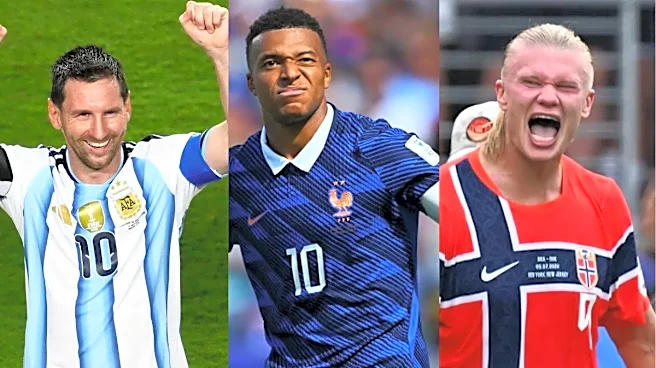
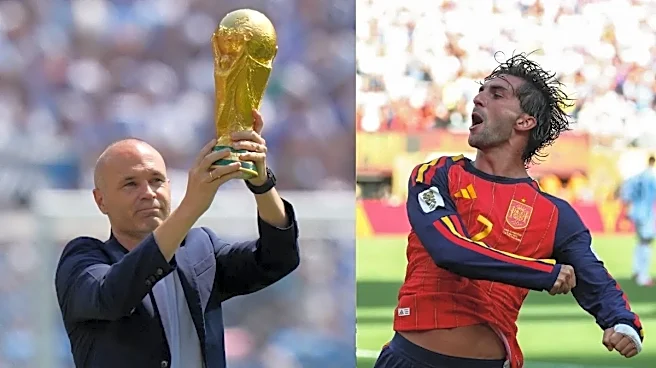
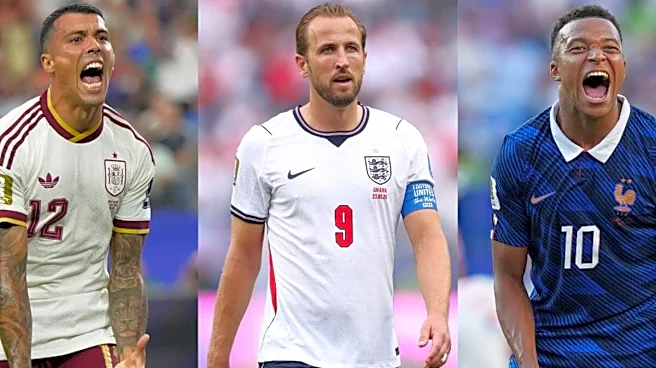
Today, Argentina and Spain will battle for football's greatest prize: the FIFA World Cup Trophy. Designed by Italian artist Silvio Gazzaniga in 1971, the iconic trophy has become one of the world's most recognisable sporting symbols. According to FIFA, its design "shows two human figures triumphantly lifting Planet Earth", beautifully capturing football's global, unifying spirit. While the FIFA World Cup Trophy appears to be a solid block of gold, it is in fact hollow. Standing 36 centimetres tall and weighing around 6.1 kilograms, it is cast in 18-carat gold with a base made from two layers of malachite, a green semi-precious stone. The names of every World Cup-winning nation are engraved on the underside of the base, hidden from view when
the trophy is on display.
Silvio Gazzaniga and the FIFA World Cup Trophy
The Milanese sculptor was born on 23 January 1921, and his career spanned more than 80 years. "Even though he’s now remembered, and always will be, as the 'Creator' of the football World Cup, thought up, designed and created in 1971, FIFA has decided to maintain this Cup until at least 2038, given the great appreciation and affection that football lovers, the media and others have for it," states the Silvio Gazzaniga website.He grew up in Lombardy at a time when the avant-garde movement was at its peak and trained as a sculptor at the region's school of art and design.It was during the Second World War that he began his career as a sculptor of medals, cups and honours for various clients. He went on to become Art Director and Master Sculptor at the Bertoni company.
"1970, however, brought a change to his professional life and he gained international fame as an extremely reserved artist. After Brazil's third World Cup victory in a row in Mexico, they were definitively awarded the Rimet Cup in line with the regulations of the time. FIFA therefore had to create a new trophy," according to the Silvio Gazzaniga website.
Read More:From a Bedroom Covered in Ronaldo Posters to Football's Greatest World Cup Goalscorer: Kylian Mbappe's Full-Circle StoryThe Rimet Cup was the first FIFA World Cup trophy, introduced in 1930 after FIFA launched the inaugural tournament under the leadership of pioneering FIFA President Jules Rimet. It was originally known as Victory before being renamed the Jules Rimet Trophy. It was designed by French sculptor Abel Lafleur and depicted Nike, the ancient Greek goddess of victory."Crafted from gold-plated sterling silver and mounted on a lapis lazuli base, it quickly grew into one of the most recognisable accolades in world sport, with 1930 hosts Uruguay the maiden winners. Over the decades that followed, the Jules Rimet Trophy evolved beyond a prize lifted by the likes of Brazil, England and Italy. It became a wandering relic of history," states FIFA.Once the trophy was permanently awarded to Brazil, the need for a new trophy arose. A competition was launched, attracting artists from around the world. From 53 proposals, Gazzaniga's design was selected. West Germany became the first team to lift the newly designed trophy in 1974. The sculptor, who died in 2016, also designed other trophies, including the UEFA Cup and the European Super Cup.
/images/ppid_a911dc6a-image-178447083391453968.webp)






/images/ppid_59c68470-image-178469752487772366.webp)