/images/ppid_59c68470-image-177003003344768091.webp)

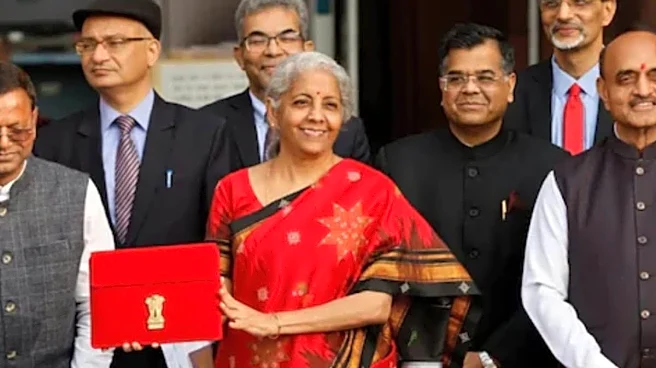
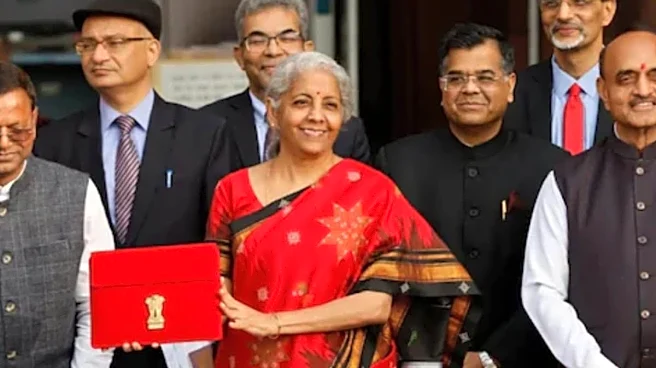

What is the story about?
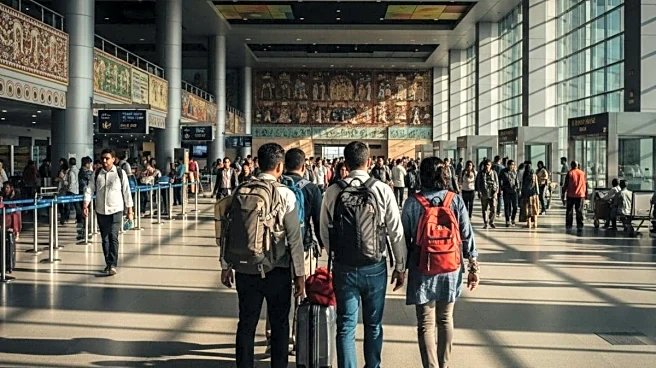
The Union Budget 2026–27 frames travel and hospitality as a structural growth sector rather than a discretionary spend. For households, the impact plays out mainly through lower upfront tax outflows for overseas travel, better domestic connectivity, and a stronger focus on skilling and experience-led tourism.
For hotels and travel businesses, the Budget improves demand drivers but leaves some tax concerns unresolved.
What changes for travellers: TCS relief on foreign tours
The clearest personal-finance impact is the cut in Tax Collected at Source (TCS) on overseas tour packages to 2%.
This does not reduce final tax liability, but it lowers cash blocked at the time of booking.
Rikant Pittie, CEO & Co-Founder, EaseMyTrip, said the move eases liquidity pressure and could lift outbound bookings by 10–12%.
Karan Agarwal, Director, Cox & Kings, called it a “course correction” that removes friction in travel planning.
Arun Batra, Managing Director, Ebix Travels and Global CHRO, Ebix, said the step simplifies decision-making for outbound travellers while keeping inbound momentum intact.
What this means for households: International trips become easier to finance upfront, especially through instalment packages.
Domestic travel: Connectivity over concessions
Instead of direct travel subsidies, the Budget relies on infrastructure:
Arjun Baljee, Founder, ICONIQA and President, Royal Orchid Hotels Ltd., said this shifts travel beyond metros by integrating Tier-2 and Tier-3 cities into mainstream routes.
Additional measures include new air routes, inland waterways, and incentives for seaplanes — which Rikant Pittie (EaseMyTrip) said could support over 200 million domestic travellers annually.
Likely impact: Shorter travel times, better last-mile access, and more weekend destinations.
From sightseeing to experience travel
The Budget prioritises curated experiences:
Sanat Hooja, Partner, Machan Resorts, welcomed the sustainability focus but noted that faster licensing and single-window approvals are critical for implementation.
Big push on skilling and jobs
A key structural reform is the creation of the National Institute of Hospitality.
Other steps include:
Rahul Deb Banerjee, Chief Operating Officer, Clarks Hotels & Resorts, said institutionalised hospitality education will help build a globally competitive workforce.
Pushpendra Bansal, COO, Lords Hotels & Resorts, linked skilling and employment to stronger travel demand, especially in emerging destinations.
Vaibhav Gupta, General Manager, The Astor Goa, said structured hotel roles can create dignified jobs for Divyangjans when training is customised.
Medical and wellness tourism
The Budget supports regional medical hubs and AYUSH integration.
Rikant Pittie (EaseMyTrip) said this strengthens India’s position as a global healthcare destination.
Samir MC, CEO, Tamara Leisure Experiences, said integrated wellness and regional medical hubs expand tourism beyond leisure into high-value healthcare travel.
What did NOT change: Hotel GST
The Budget did not:
Pushpendra Bansal (Lords Hotels) said this continues to hurt margins for budget and mid-scale hotels and keeps luxury room taxes high.
The Hotel Association of India (HAI), led by its President and Chairman – South Asia, Radisson Hotel Group, reiterated that tourism still lacks full infrastructure status nationwide and called for:
Jyoti Mayal, Chairperson, Tourism & Hospitality Skill Council (THSC), said it is disappointing that Tourism did not receive dedicated overseas marketing funds, even as rival countries spend heavily on promotion.
Do policies match travel trends?
Industry data suggests alignment:
Manjari Singhal, Chief Growth & Business Officer, Cleartrip, said Prayagraj saw nearly 10x YoY hotel bookings during Maha Kumbh 2025.
Northeast hotel bookings grew 180% in 2025, led by Gen Z.
Eco-destinations like Kumily saw over 4x growth, matching the Budget’s nature-tourism push.
Broader economic backdrop
Vikas Garg, Chairman, Ebix Group, said the Budget balances fiscal discipline with investment-led growth, making tourism a clearer employment and forex driver.
Amit Gainda, MD & CEO, Avanse Financial Services, noted that skilling, education and employment support create a stronger base for consumption, including travel.
For hotels and travel businesses, the Budget improves demand drivers but leaves some tax concerns unresolved.
What changes for travellers: TCS relief on foreign tours
The clearest personal-finance impact is the cut in Tax Collected at Source (TCS) on overseas tour packages to 2%.
This does not reduce final tax liability, but it lowers cash blocked at the time of booking.
Rikant Pittie, CEO & Co-Founder, EaseMyTrip, said the move eases liquidity pressure and could lift outbound bookings by 10–12%.
Karan Agarwal, Director, Cox & Kings, called it a “course correction” that removes friction in travel planning.
Arun Batra, Managing Director, Ebix Travels and Global CHRO, Ebix, said the step simplifies decision-making for outbound travellers while keeping inbound momentum intact.
What this means for households: International trips become easier to finance upfront, especially through instalment packages.
Domestic travel: Connectivity over concessions
Instead of direct travel subsidies, the Budget relies on infrastructure:
- ₹2.78 lakh crore for Railways Capital
- ₹3.10 lakh crore for Roads & Highways
Arjun Baljee, Founder, ICONIQA and President, Royal Orchid Hotels Ltd., said this shifts travel beyond metros by integrating Tier-2 and Tier-3 cities into mainstream routes.
Additional measures include new air routes, inland waterways, and incentives for seaplanes — which Rikant Pittie (EaseMyTrip) said could support over 200 million domestic travellers annually.
Likely impact: Shorter travel times, better last-mile access, and more weekend destinations.
From sightseeing to experience travel
The Budget prioritises curated experiences:
- Trekking circuits
- Turtle and eco-trails
- Upgrades to archaeological sites
- Buddhist and spiritual circuits
- A National Destination Digital Knowledge Grid
Sanat Hooja, Partner, Machan Resorts, welcomed the sustainability focus but noted that faster licensing and single-window approvals are critical for implementation.
Big push on skilling and jobs
A key structural reform is the creation of the National Institute of Hospitality.
Other steps include:
- Training 10,000 tourist guides with IIM support
- Content-creator labs for destination storytelling
- Digital documentation of cultural assets
- Divyangjan Kaushal Yojana
Rahul Deb Banerjee, Chief Operating Officer, Clarks Hotels & Resorts, said institutionalised hospitality education will help build a globally competitive workforce.
Pushpendra Bansal, COO, Lords Hotels & Resorts, linked skilling and employment to stronger travel demand, especially in emerging destinations.
Vaibhav Gupta, General Manager, The Astor Goa, said structured hotel roles can create dignified jobs for Divyangjans when training is customised.
Medical and wellness tourism
The Budget supports regional medical hubs and AYUSH integration.
Rikant Pittie (EaseMyTrip) said this strengthens India’s position as a global healthcare destination.
Samir MC, CEO, Tamara Leisure Experiences, said integrated wellness and regional medical hubs expand tourism beyond leisure into high-value healthcare travel.
What did NOT change: Hotel GST
The Budget did not:
- Restore Input Tax Credit for rooms below ₹7,500
- Reduce the 18% GST on premium rooms
Pushpendra Bansal (Lords Hotels) said this continues to hurt margins for budget and mid-scale hotels and keeps luxury room taxes high.
The Hotel Association of India (HAI), led by its President and Chairman – South Asia, Radisson Hotel Group, reiterated that tourism still lacks full infrastructure status nationwide and called for:
- Wider infrastructure recognition for hotels
- Moving tourism to the concurrent list
- GST rationalisation
Jyoti Mayal, Chairperson, Tourism & Hospitality Skill Council (THSC), said it is disappointing that Tourism did not receive dedicated overseas marketing funds, even as rival countries spend heavily on promotion.
Do policies match travel trends?
Industry data suggests alignment:
Manjari Singhal, Chief Growth & Business Officer, Cleartrip, said Prayagraj saw nearly 10x YoY hotel bookings during Maha Kumbh 2025.
Northeast hotel bookings grew 180% in 2025, led by Gen Z.
Eco-destinations like Kumily saw over 4x growth, matching the Budget’s nature-tourism push.
Broader economic backdrop
Vikas Garg, Chairman, Ebix Group, said the Budget balances fiscal discipline with investment-led growth, making tourism a clearer employment and forex driver.
Amit Gainda, MD & CEO, Avanse Financial Services, noted that skilling, education and employment support create a stronger base for consumption, including travel.

/images/ppid_59c68470-image-176992771751433676.webp)
/images/ppid_59c68470-image-176992259573993206.webp)

/images/ppid_59c68470-image-176992506794262324.webp)

/images/ppid_59c68470-image-176992753658928048.webp)