/images/ppid_59c68470-image-178193502323490368.webp)





What is the story about?
Yoga has long been recognised as a powerful practice to improve physical and mental well-being. Rooted in ancient Indian traditions, it combines movement, breathing techniques and meditation to help create balance between the body and mind. Today, millions of people around the world turn to yoga as a way to manage stress, improve focus and lead healthier lives.
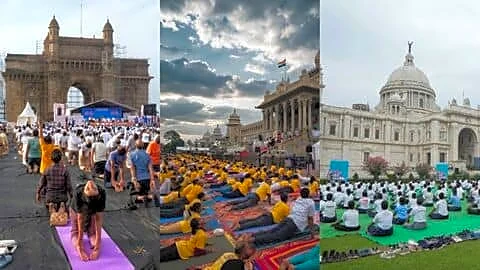
Observed annually on June 21, International Yoga Day celebrates the many benefits of the practice and encourages people to make it a part of their daily routine. The theme for International Yoga Day 2026, ‘Yoga for Healthy Ageing.’ As daily life becomes increasingly busy, many people are turning to yoga as a way to manage stress.
Why stress has become a common problem
Modern life is often filled with work pressures, family responsibilities, constant notifications and busy schedules. While short-term stress can help people respond to challenges, prolonged stress can negatively affect both physical and mental health. It may lead to poor sleep, fatigue, anxiety, high blood pressure and reduced immunity.
When stress becomes a regular part of life, the body remains in a constant state of alertness. This can cause muscle tension, shallow breathing and make it difficult to feel relaxed and refreshed.
How yoga helps reduce stress
Yoga helps calm the mind and relax the body by combining breathwork, mindful movement and meditation. Unlike many forms of exercise, yoga encourages people to slow down, focus on the present moment and become more aware of their thoughts and emotions.
Regular practice can help reduce tension in the muscles, improve breathing patterns and create a sense of calm. It promotes relaxation and helps people cope with stress more effectively.
The role of breathing exercises
Breathing techniques, also known as pranayama, are an important part of yoga. Slow and controlled breathing can help reduce stress and make the mind feel calmer. Simple breathing exercises can be practised anywhere, whether at home, at work or during a stressful moment.
Movement that relaxes the body
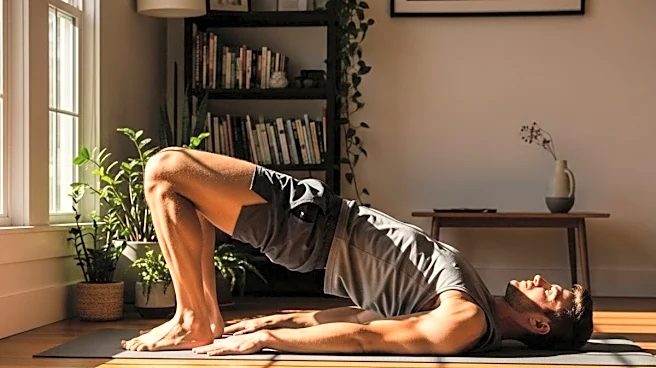
Stress often causes stiffness and tension in areas such as the neck, shoulders and back. Gentle yoga stretches and postures can help release this tension and improve flexibility.
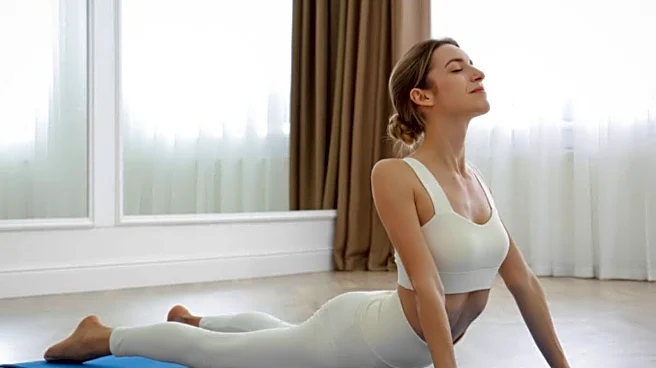
Simple poses such as Child's Pose, Cat-Cow Stretch and forward bends encourage relaxation while improving blood circulation and body awareness. Regular movement can also reduce physical discomfort caused by long hours of sitting or working.
Meditation
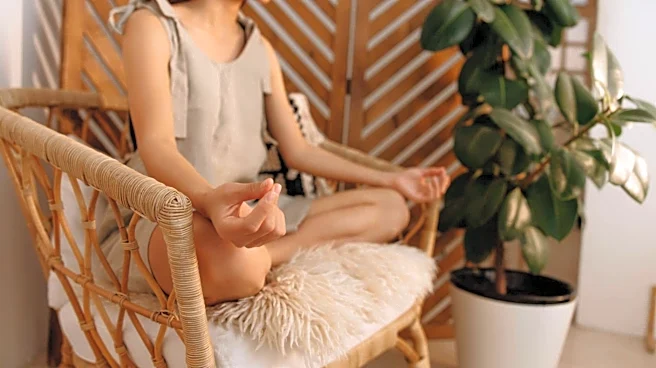
Meditation is another important aspect of yoga that helps reduce stress. Spending just a few minutes in quiet reflection can help calm racing thoughts and improve emotional well-being.
Easy ways to include yoga in daily life
Yoga does not require long sessions or advanced poses to be effective. Even 10 to 15 minutes of practice each day can make a difference. Starting the morning with simple stretches and breathing exercises or ending the day with a short meditation session can help reduce stress and improve overall well-being.
Small habits, such as taking a few deep breaths during a busy workday or doing gentle stretches after sitting for long periods, can also contribute to a calmer and healthier lifestyle.
Observed annually on June 21, International Yoga Day celebrates the many benefits of the practice and encourages people to make it a part of their daily routine. The theme for International Yoga Day 2026, ‘Yoga for Healthy Ageing.’ As daily life becomes increasingly busy, many people are turning to yoga as a way to manage stress.
Why stress has become a common problem
Modern life is often filled with work pressures, family responsibilities, constant notifications and busy schedules. While short-term stress can help people respond to challenges, prolonged stress can negatively affect both physical and mental health. It may lead to poor sleep, fatigue, anxiety, high blood pressure and reduced immunity.
When stress becomes a regular part of life, the body remains in a constant state of alertness. This can cause muscle tension, shallow breathing and make it difficult to feel relaxed and refreshed.
How yoga helps reduce stress
Yoga helps calm the mind and relax the body by combining breathwork, mindful movement and meditation. Unlike many forms of exercise, yoga encourages people to slow down, focus on the present moment and become more aware of their thoughts and emotions.
Regular practice can help reduce tension in the muscles, improve breathing patterns and create a sense of calm. It promotes relaxation and helps people cope with stress more effectively.
The role of breathing exercises
Breathing techniques, also known as pranayama, are an important part of yoga. Slow and controlled breathing can help reduce stress and make the mind feel calmer. Simple breathing exercises can be practised anywhere, whether at home, at work or during a stressful moment.
Movement that relaxes the body
Stress often causes stiffness and tension in areas such as the neck, shoulders and back. Gentle yoga stretches and postures can help release this tension and improve flexibility.
Simple poses such as Child's Pose, Cat-Cow Stretch and forward bends encourage relaxation while improving blood circulation and body awareness. Regular movement can also reduce physical discomfort caused by long hours of sitting or working.
Meditation
Meditation is another important aspect of yoga that helps reduce stress. Spending just a few minutes in quiet reflection can help calm racing thoughts and improve emotional well-being.
Easy ways to include yoga in daily life
Yoga does not require long sessions or advanced poses to be effective. Even 10 to 15 minutes of practice each day can make a difference. Starting the morning with simple stretches and breathing exercises or ending the day with a short meditation session can help reduce stress and improve overall well-being.
Small habits, such as taking a few deep breaths during a busy workday or doing gentle stretches after sitting for long periods, can also contribute to a calmer and healthier lifestyle.

/images/ppid_59c68470-image-178193253961884387.webp)


/images/ppid_a911dc6a-image-178184519091813702.webp)