/images/ppid_59c68470-image-178232003163797685.webp)

/images/ppid_a911dc6a-image-178227701957216666.webp)


What is the story about?
Toyo Eatery opened its doors to diners in Manila in 2016. A decade later, it has One Michelin Star and is among the most influential Southeast dining destinations.
Meanwhile, Mumbai’s culinary landscape has transformed immensely over the last 10 years and continues to include more regional and niche cuisines — from across the country and overseas. However, Filipino food still remains a rare find in the city.
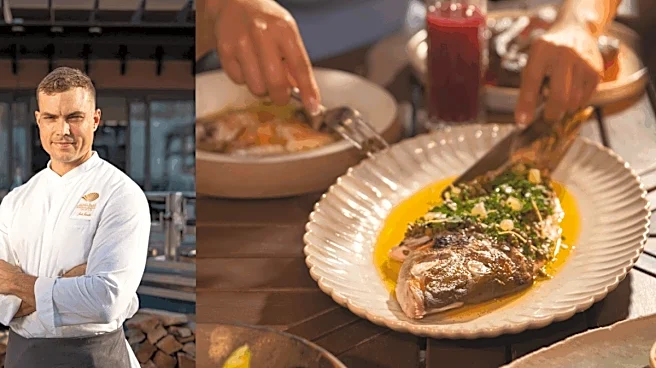
This week, Toyo Eatery’s founder-chef Jordy Navarra is bringing the Filipino cuisine to diners in Mumbai for two nights. By The Mekong at St. Regis Mumbai is hosting a residency with Toyo Eatery on Thursday and Friday. Chef Navarra has curated a seven-course menu offering a deeper understanding of Filipino culture through its food.
The ingredients may seem familiar, but their preparation and flavour profile is unique. “Sourness and acid are major components of the Filipino food. Whether through fermentation, unripe fruits or sharp vinegars and citrus, we're so reliant on this acidity to give a lot of character to our taste profile," Navarro says.
In terms of aromatics, Filipino food includes garlic, ginger, onions, which are used fresh — especially chillies, Navarra says. "The basic spices we use are black pepper and bay leaves. Occasionally you will find star anise," he adds.
Navarro listed some of the famous dishes and flavour profiles from back home:
His approach to the residency involves bringing condiments such as bagoong (a fermented shrimp paste) among others and applying them to the proteins and ingredients locally available in Mumbai. For example, using Indian bay leaves for the adobo or Indian fruits for the kinilaw he plans to serve.
"I'm super in love with Bombay Duck so we plan to use that in one of our dishes to pair with a vinegar dipping sauce we make in Toyo. I also love the Alfonso mango, so we'll use that with a
buro which is a fermented Philippine green mango dish we make in house," he says.
Navarra adds that he likes to explore the building blocks of the Filipino cuisine and will also use the artisinal salt Asin Tibuok, which is from Bohol. The heritage salt-making process takes months to complete and the same is also recognised by the UNESCO.
Chef Navarra is joined by Head Chef Patch Marce, who too has played an integral role in shaping Toyo Eatery's culinary philosophy since joining the restaurant in 2016.
“Ten years went by so fast,” he says. Navarra was always interested in food, eating and cooking but he really dove in when he discovered how food could be cultural, meaningful and creative. "Toyo Eatery started when my team and I wanted a home and a base to explore Filipino food, whether it would be through ingredients, techniques or through the basics of Filipino warmth and hospitality. Its base idea was really to represent who we are and where we're from," he says.
Collaborations have helped them learn more about the world around and also given them an opportunity to share what they have. “What’s great with the world of food nowadays is that in ways you can explore diversity of different food cultures but also find similarities which helps us connect with everyone we cook with," he says.
Chef Navara hopes that people leave understanding that Filipino food is deeply connected to hospitality, celebration and sharing. "Like Indian food, a lot of our meals are meant to be enjoyed together, often with your hands and surrounded by family and friends," he says.
Navarra adds that he would also love for people to discover how important acidity, fermentation and freshness are in his cuisine. “Filipino food can be similar in some ways but also surprising in others. More than anything, I hope people leave curious and interested to visit us in Manila!" he adds.
Meanwhile, Mumbai’s culinary landscape has transformed immensely over the last 10 years and continues to include more regional and niche cuisines — from across the country and overseas. However, Filipino food still remains a rare find in the city.
This week, Toyo Eatery’s founder-chef Jordy Navarra is bringing the Filipino cuisine to diners in Mumbai for two nights. By The Mekong at St. Regis Mumbai is hosting a residency with Toyo Eatery on Thursday and Friday. Chef Navarra has curated a seven-course menu offering a deeper understanding of Filipino culture through its food.
The ingredients may seem familiar, but their preparation and flavour profile is unique. “Sourness and acid are major components of the Filipino food. Whether through fermentation, unripe fruits or sharp vinegars and citrus, we're so reliant on this acidity to give a lot of character to our taste profile," Navarro says.
In terms of aromatics, Filipino food includes garlic, ginger, onions, which are used fresh — especially chillies, Navarra says. "The basic spices we use are black pepper and bay leaves. Occasionally you will find star anise," he adds.
Navarro listed some of the famous dishes and flavour profiles from back home:
- Adobo - Comprising garlic, vinegar, bay leaves and black pepper, most of the time with soy sauce.
- Sinigang - Sour stew with tamarind or different souring ingredients
- Kinilaw - Usually fish cured in vinegar
- Grilled proteins with a vinegar dipping sauce.
His approach to the residency involves bringing condiments such as bagoong (a fermented shrimp paste) among others and applying them to the proteins and ingredients locally available in Mumbai. For example, using Indian bay leaves for the adobo or Indian fruits for the kinilaw he plans to serve.
"I'm super in love with Bombay Duck so we plan to use that in one of our dishes to pair with a vinegar dipping sauce we make in Toyo. I also love the Alfonso mango, so we'll use that with a
Navarra adds that he likes to explore the building blocks of the Filipino cuisine and will also use the artisinal salt Asin Tibuok, which is from Bohol. The heritage salt-making process takes months to complete and the same is also recognised by the UNESCO.
Chef Navarra is joined by Head Chef Patch Marce, who too has played an integral role in shaping Toyo Eatery's culinary philosophy since joining the restaurant in 2016.
“Ten years went by so fast,” he says. Navarra was always interested in food, eating and cooking but he really dove in when he discovered how food could be cultural, meaningful and creative. "Toyo Eatery started when my team and I wanted a home and a base to explore Filipino food, whether it would be through ingredients, techniques or through the basics of Filipino warmth and hospitality. Its base idea was really to represent who we are and where we're from," he says.
Collaborations have helped them learn more about the world around and also given them an opportunity to share what they have. “What’s great with the world of food nowadays is that in ways you can explore diversity of different food cultures but also find similarities which helps us connect with everyone we cook with," he says.
Chef Navara hopes that people leave understanding that Filipino food is deeply connected to hospitality, celebration and sharing. "Like Indian food, a lot of our meals are meant to be enjoyed together, often with your hands and surrounded by family and friends," he says.
Navarra adds that he would also love for people to discover how important acidity, fermentation and freshness are in his cuisine. “Filipino food can be similar in some ways but also surprising in others. More than anything, I hope people leave curious and interested to visit us in Manila!" he adds.

/images/ppid_59c68470-image-178230257773911239.webp)



/images/ppid_a911dc6a-image-17822980241302307.webp)