






What is the story about?
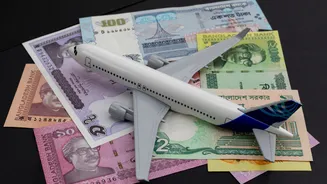
If booking a flight suddenly feels painfully expensive, you are not imagining it. Airlines across the world are raising fares as jet fuel prices surge
alongside global oil prices. Industry experts say fuel now accounts for one of the biggest expenses for airlines, and many carriers are already warning travellers to expect higher ticket prices throughout 2026. Several airlines have already announced fare hikes between 5% and 20% to offset rising operating costs. Some carriers are even reducing routes and cutting less profitable flights because soaring fuel costs are making certain journeys financially difficult to sustain. But while the situation may look grim for travellers, there are still smart ways to avoid overpaying for flights.
How To Save Smart On Flights
One of the biggest mistakes travellers make during periods of rising airfare is waiting too long to book. Travel analysts are warning that prices are unlikely to fall anytime soon, especially during busy holiday periods and summer travel months. Booking earlier than usual can lock in lower fares before airlines add more fuel surcharges.
Flexibility has also become more valuable than ever. Flying midweek instead of on weekends can often save a significant amount of money. Tuesday and Wednesday departures are usually cheaper because demand is lower. Even changing your departure time by a few hours can make a noticeable difference when airlines are constantly adjusting fares based on demand and fuel costs.
Avoid Peak Travel
Another smart strategy is to avoid peak travel dates altogether. Traveling just before or after major holidays, school breaks, or long weekends can dramatically reduce ticket prices. Experts also recommend considering nearby airports instead of major hubs, since smaller airports sometimes have lower taxes and fewer pricing surcharges. Price tracking tools are becoming essential in the current travel climate. Platforms like Google Flights, Skyscanner, and Makemytrip allow travellers to monitor routes and receive alerts when prices change. This helps travellers book at the right moment instead of paying inflated last-minute fares.
Frequent flyer points and travel credit cards can also help soften the blow of rising prices. Many airlines are increasing cash fares faster than award ticket rates, meaning points can now offer even better value than before. Travellers who already collect miles may find this one of the cheapest ways to book international trips this year.
Packing lighter is another underrated way to save money. Several airlines have quietly increased baggage fees alongside airfare hikes. Traveling with only cabin luggage can sometimes save enough money to offset part of the fuel-driven fare increase. Finally, flexibility with destinations can make a huge difference. Instead of choosing one fixed location, travellers willing to explore alternative cities or countries often find significantly cheaper fares. Budget airlines may also continue offering competitive deals on select regional routes, even as major carriers raise prices.
The oil crisis may be pushing airfares higher across the globe, but smart planning still gives travellers an advantage. Booking early, staying flexible, tracking prices, and using rewards strategically can help keep travel affordable, even in one of the most expensive flying periods in recent years.