








The short answer is no, at least not entirely. But the panic inside India’s aviation industry right now is very real. Over the past few weeks, India’s biggest
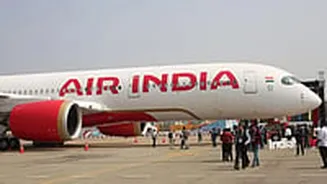
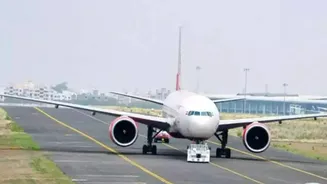
airlines, including Air India, IndiGo and SpiceJet, have warned the government that soaring fuel prices are pushing the industry into dangerous territory. In a strongly worded SOS letter sent through the Federation of Indian Airlines (FIA), carriers reportedly said the sector was under 'extreme stress' and even warned of the possibility of 'stopping operations' if urgent relief was not provided. The biggest problem is Aviation Turbine Fuel (ATF), the lifeline of the airline business. Fuel already makes up nearly 30-40% of an airline’s operating cost in India during normal times. But according to the FIA, the latest surge has pushed that number to as high as 55-60%, making several routes financially impossible to operate.
What Changed So Dramatically?
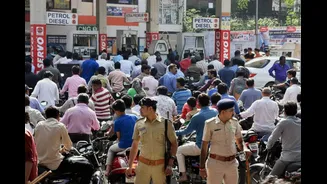
A mix of global tensions, rising crude oil prices, currency pressure and taxes has created a perfect storm. The ongoing West Asia conflict has disrupted oil markets worldwide, while restrictions on certain international airspaces have forced airlines to take longer routes, burning even more fuel. The numbers are alarming. Industry reports say ATF prices have crossed Rs 2 lakh per kilolitre in some cases. To understand how massive that increase is, rewind a few years. Before the pandemic, ATF prices in India often hovered around Rs 45,000–60,000 per kilolitre depending on global oil prices and state taxes. During Covid-era lows, prices had even fallen further in some regions. Today, airlines say costs have become unsustainable.
And unlike many global aviation hubs, India imposes heavy taxation on jet fuel. Airlines have repeatedly argued that India’s ATF is among the most expensive in the world because it is excluded from GST and instead taxed separately by states through VAT. In some states, VAT on aviation fuel was as high as 25%.
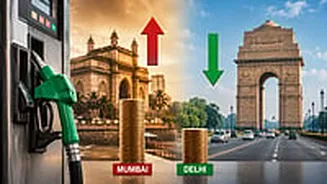
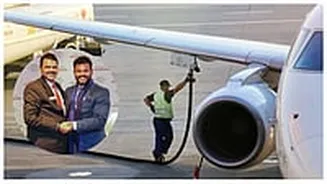
That pressure has now forced governments to react. Just days ago, both Delhi and Maharashtra announced major VAT cuts on aviation fuel. Delhi slashed VAT from 25% to 7%, while Maharashtra reduced it from 18% to 7% in a bid to help struggling airlines. But airlines say these steps alone are not enough.
In their letter, carriers demanded multiple urgent reforms from the Centre. One of the biggest demands is bringing ATF under GST so taxes become uniform across India. Airlines have also asked the government to revise the current fuel pricing mechanism, which they claim unfairly affects Indian carriers compared to foreign airlines.
The FIA also reportedly sought parity between domestic and international fuel pricing, arguing that Indian airlines are being hit harder on international routes where the full increase in fuel prices is being passed on immediately.
Some reports suggest airlines also want temporary suspension or reduction of excise duties on ATF, financial support measures, and more intervention to prevent sudden monthly spikes in fuel prices.
So, Could Flights Actually Stop In India?
A complete nationwide shutdown remains unlikely because aviation is too critical for the economy, tourism, business travel and connectivity. The government is also already taking small corrective steps. But what could happen is route cuts, fewer flights, higher ticket prices, and deeper financial trouble for weaker airlines if fuel prices remain this high for months.
India’s aviation industry has survived bankruptcies, pandemics and oil shocks before. But this time, airlines are making one thing clear: if fuel costs keep climbing and taxes stay high, the pressure may eventually become impossible to absorb.