






What is the story about?
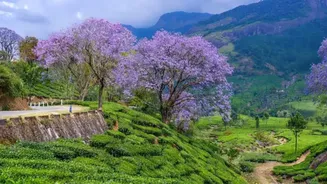
The green expanses of Munnar can be both lively and meditative. That depends on if you're there to experience it when the rolling tea estates turn into
lush expanses, or when the mist rolls in to add drama to the landscape. This Kerala hill station, known for its breathtaking plantations and natural beauty, doesn’t follow a rigid peak season. You can visit through the year, but each window brings with it a distinctly different pace as well as experience of the landscape.
Best Time to Visit Munnar
The most popular time to visit Munnar is between October to February, which is widely considered the hill station’s peak season. This stretch sees pleasant temperatures ranging between 10C to 28C, making it ideal for long drives, tea garden walks, and sightseeing across rolling hills. This stretch is also absolutely perfect if you just want to spend your days strolling amid nature and breathing in the fresh and crisp tea scented air of Munnar. Spots like the Eravikulam National Park and Mattupetty Dam are especially inviting during this time, with clearer skies and comfortable weather. Naturally, this also draws larger crowds, along with higher hotel tariffs. If a quieter, more solitary experience is what you’re after, this may not be your ideal window.The summer stretch from March to June does see a hike in the heat with temperatures hovering between 19C to 35C, but the overall experience, especially with respect to the weather is very manageable. At the very least, the climate in Munnar during Summers is actually a welcome relief from the raging heatwave taking over North India right this moment. The winters may still be a peak bet, but you shouldn't knock the idea of a summer escape to Munnar, especially if you don't mind a more relaxed pace to your vacation.
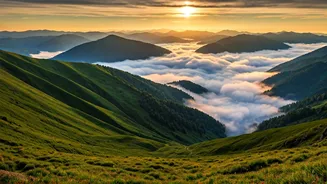
Munnar’s monsoon stretch from June to September transforms the hill station into an intensely lush, green expanse. The tea gardens and forests assume a life of their own, visually, with the rolling rains and the mist coming in here turns the Munnar into nothing less than a live movie scene. However, with heavy rainfall, the roads get markedly slippery and pose a barrier to smooth travel. Monsoon is technically off-season in Munnar, but it works well if you’re planning a quiet, indoor staycation and don't mind minimal sightseeing. And honestly, the temperature and weather during this stretch, especially if you like the rains, has its own charm.