






What is the story about?
Air travel has long been synonymous with queues, check-in lines, immigration bottlenecks, and boarding gate chaos. But that ritual of waiting is quietly
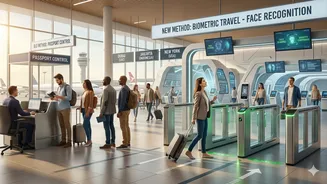
disappearing. Across the UAE, Indonesia, and the United States, airports are replacing passports and boarding passes with something far simpler, your face. This shift is coming about all thanks to biometric facial recognition, a system that identifies travellers by mapping unique facial features and matching them to stored identity data within seconds. What once required multiple document checks is now becoming a seamless, almost invisible process.
The UAE: Walking Through the Airport Without Stopping
Dubai is arguably leading this transformation. At Dubai International Airport, passengers can now move from check-in to boarding using only facial recognition. More than 200 biometric cameras across Terminal 3 allow travellers to pass through immigration, lounges, and boarding gates without repeatedly showing documents. In some cases, 'smart corridors' can process travellers in just seconds, turning what used to be long queues into a continuous flow. The system works by linking a passenger’s biometric profile to their passport details in advance, so identity checks happen automatically as they walk. Airports now feel less like checkpoints and more like open transit spaces.Indonesia: Immigration on the Move
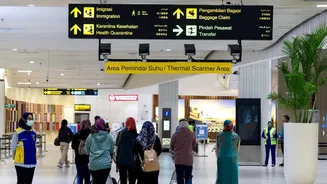
Indonesia is taking this one step further with what it calls 'biometric corridors.' Instead of stopping at immigration counters, travellers simply walk through designated lanes where cameras scan and verify their identity in motion. This system relies on pre-submitted passport data through a national app, allowing authorities to complete background checks before passengers even arrive. At the airport, facial recognition confirms identity instantly, no stamping, no waiting. The technology is already operational in major airports like Jakarta and Surabaya, with plans to expand nationwide.Read More: Inside New York City's 'Sexiest' New Indian Restaurant - And Exactly What You Should Order
The United States: Scaling Up Biometric Borders
In the U.S., facial recognition is being rapidly integrated into security and border control. Agencies like Customs and Border Protection already use it for international arrivals, and expansion plans aim to create a full biometric entry-exit system across airports in the coming years. Programs like TSA’s biometric checkpoints, 'simplified arrival' and pilot 'eGates' allow travellers to verify identity without handing over physical IDs, speeding up security lines significantly. The goal is efficiency, especially as the U.S. prepares for record travel volumes in the coming years.The appeal of this shift is simple, people need speed, accuracy, and convenience. Facial recognition reduces human error, cuts processing time, and eliminates repetitive document checks. Airlines and governments are also responding to passenger preferences. Surveys show a growing majority of travellers favour biometric identification over traditional methods, largely because it reduces friction in the journey. In practical terms, this means fewer queues, shorter wait times, and a smoother airport experience.
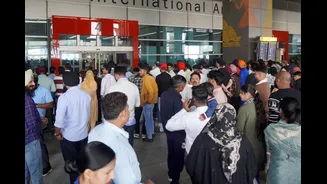
But the disappearance of queues comes with new questions. Privacy advocates warn about how biometric data is stored, used, and potentially misused. In the U.S., concerns include misidentification and lack of transparency, while globally, regulators are still catching up with the technology. Some systems remain optional, allowing passengers to opt out. But as adoption grows, the pressure to participate may increase.
Read More: 5 Best International Beach Destinations For Couples This Summer