




What is the story about?
India’s rising affluence is quietly reshaping how people choose to spend, and the shift is becoming hard to ignore. A recent report by Visa Inc. points
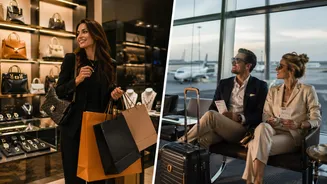
to a clear trend: as incomes grow, Indians, especially the affluent, are prioritising travel over traditional retail purchases. This is more than just a marginal change. The data shows a decisive tilt in spending behaviour. Among India’s emerging affluent, nearly a third of discretionary spending is now directed toward travel. For the ultra-wealthy, that number jumps dramatically, with more than half of their spending going into travel-related experiences. The implication is straightforward, travel is no longer an occasional indulgence, it has become central to how wealth is expressed.
What About Retail Spending?
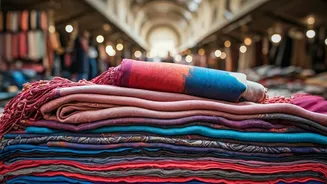
Retail, meanwhile, hasn’t disappeared, it has simply evolved. Instead of frequent, volume-driven purchases, affluent consumers are becoming more selective. When they do spend on goods, it tends to be on high-value, meaningful items such as fine jewellery, luxury handbags, premium watches, art, or bespoke fashion. In other words, consumption is shifting from quantity to quality, while experiences take the lead.
One of the key drivers behind this transformation is the rapid expansion of India’s affluent population. The number of individuals earning over ₹10 lakh annually has nearly doubled in just a few years. With more disposable income comes a change in mindset, basic aspirations give way to lifestyle choices, and travel fits neatly into that transition. It offers not just leisure, but also status, social visibility, and personal enrichment.
Where Is The Shift Happening?
Interestingly, this shift is no longer confined to metro cities. While places like Mumbai, Delhi, and Bengaluru have traditionally led consumption trends, the report highlights growing momentum in cities such as Ahmedabad, Surat, Jaipur, and Lucknow. As wealth spreads geographically, so does the appetite for travel, indicating that this is a broad-based cultural shift rather than a niche urban phenomenon.
The ripple effects are visible across industries. Airline bookings are surging, with transaction volumes increasing multiple times among affluent consumers. Premium hospitality, curated travel experiences, and international tourism are all seeing a boost. Dining habits are also evolving alongside, more frequent outings, higher spending per meal, and a tilt toward premium experiences.
The Rise Of Experience Economy
What’s emerging is a larger behavioural change often described as the “experience economy.” Ownership is no longer the primary marker of success. Instead, experiences, where one travels, how often, and how well, are becoming a new form of social and personal currency. This doesn’t mean retail is losing relevance altogether. It remains an important part of the consumption mix, but it no longer dominates the way it once did. Travel, with its ability to combine leisure, aspiration, and storytelling, is taking precedence.
The bigger takeaway is less about travel itself and more about what it represents. As India’s affluent class expands, spending is becoming more intentional, more experience-driven, and less tied to material accumulation. And if current trends hold, the country’s growth story won’t just be visible in what people own, but increasingly, in where they go