





When a flight is suddenly suspended, the disruption can feel chaotic for travellers. Whether the cause is geopolitical conflict, airport incidents, or operational
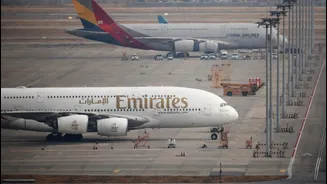
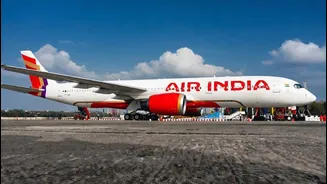
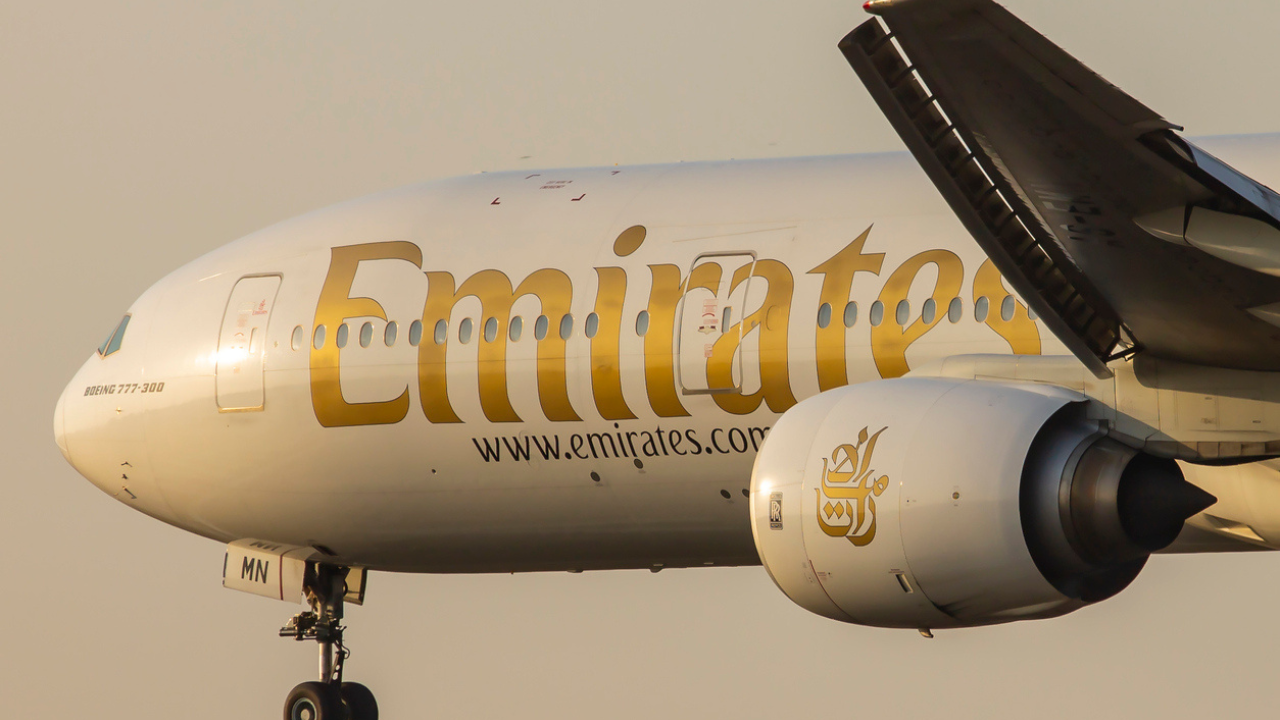
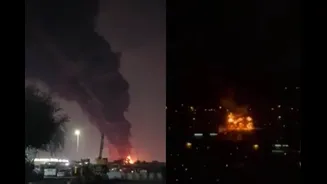
issues, the ripple effects can affect thousands of passengers within hours. Recent events in the Middle East are a clear example, a Dubai bound Emirates flight was suspended mid-air, as authorities in Dubai on Sunday said that they were responding to an incident near the Dubai International Airport, after a drone strike caused a fire in the area. The flight returned to Kochi. Several airlines, including Air India, Air India Express and Emirates, temporarily cancelled or suspended services, leaving passengers with delayed departures, rerouted flights, or unexpected returns to their origin airports. But what exactly happens when your flight gets suspended? And what rights do passengers actually have?
Why Flights Get Suspended in the First Place
When a flight gets suspended, in most cases it is a usual or a typical delay. It means that the airport or the airline is facing some operational issue with concerns pertaining to safety, security and/or logistics. However when it comes to the flights getting delayed right now, or suspended or even being asked to turn back, it is majorly because of the conflicts happening all over different regions of the world, especially the Middle East. The state of unrest makes the sky a volatile place for the airlines. That being said, here are some of the common causes of a flight being suspended:
- Airspace closures by governments
- Operational issues like aircraft maintenance or crew shortages
- Extreme weather conditions
- Airport incidents, such as fires, drone strikes, or accidents
- Security threats or military conflict affecting airspace
In the recent case of the Dubai flight disruption, the authorities suspended flights after a drone strike ignited the fuel tank near the airport and it led to forcing emergency safety measures and diversions to other airports.
What Is The Next Move?
When it comes to airlines, the next move after a flight is suspended is to move quickly and work towards reorganising passenger travel. The exact response of the airline depends on the length and the intensity of the disruption.
First step is to rebook the passengers. For this the airlines place the affected travellers on the next flight available or try and reroute them from another nearby city. If there are airspace closures then this may take a couple of hours or even days. If the aircraft is already flying, then diversion may take place, wherein the flight may be moved or turned back to its origin airport or land at the nearest alternative airport. For example, the Dubai bound Emirates flight from Kochi had to be turned-back mid-journey after the Dubai airport suspended operations due to the drone attack. When it comes to issuing refunds or free changes, airlines often allow free ticket cancellation, a full refund, or rebooking without additional charges. Air India, for instance, offered affected passengers the option to rebook to a later date or cancel with a full refund after Dubai flights were suspended.
What Passenger Rights Actually Look Like
In India, passenger rights are regulated by the Directorate General of Civil Aviation (DGCA). If your flight is disrupted, for a delay of 2 hours of more, the airlines must provide meals or refreshments. For a delay of 6 hours or more, you can request a refund or an alternate flight. And for overnight disruptions, airlines may provide hotel accommodation and transfers. In addition to this, the latest update on the rules require airlines to process the refunds within 14 working days. However, all of that being said, the compensation may not be applicable is the disruption is caused due to extraordinary circumstances such as war, natural disasters or political instability.