







What is the story about?
The journey between Delhi and Dehradun is on the brink of a dramatic transformation. The much-anticipated Delhi–Dehradun Expressway, a massive infrastructure
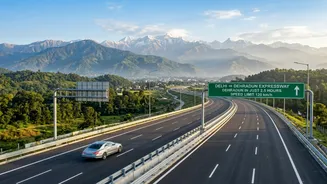
project, promises to cut travel time from a tiring 6–7 hours to just about 2.5 hours, reshaping how people experience road travel in North India. Stretching roughly 210–213 kilometres, this access-controlled expressway has been developed at an estimated cost of over ₹12,000 crore. Designed for high-speed travel, the corridor will allow vehicles to cruise smoothly, reducing congestion on existing highways and offering a faster, safer alternative for commuters and tourists alike.
What Is The Route?
The route begins from Akshardham in Delhi and passes through key regions in Uttar Pradesh such as Baghpat, Shamli, and Saharanpur before entering Uttarakhand and culminating in Dehradun. This strategic alignment not only improves inter-state connectivity but also unlocks easier access to popular destinations like Mussoorie, Haridwar, and Rishikesh, making spontaneous weekend trips far more realistic. What truly sets this expressway apart, however, is its innovative and environmentally conscious design. One of its most remarkable features is a 12-kilometre elevated wildlife corridor built through the Rajaji National Park region, considered among the longest in Asia. This structure allows animals such as elephants, deer, and leopards to move freely beneath the road, ensuring that development does not come at the cost of ecological disruption. Early observations have already recorded wildlife successfully using these passages, highlighting the project’s thoughtful planning.
Beyond environmental considerations, the expressway is packed with modern infrastructure features. It includes multiple lanes (expandable up to 8 or more in phases), numerous underpasses, interchanges, and dedicated facilities aimed at enhancing driving comfort and safety. The corridor is also integrated with other major highways and expressways, further improving regional connectivity and logistics efficiency.
What's In For Travellers?
The project has faced its share of delays over the years due to land acquisition issues and construction challenges. However, as of 2026, it is in its final stages, with trial runs already underway in several stretches and full inauguration expected imminently. Once operational, it is expected to significantly boost tourism, trade, and real estate development across Delhi, Uttar Pradesh, and Uttarakhand. For travellers, the impact will be immediate and tangible. A drive that once required careful planning and long hours will soon become a quick, comfortable journey. Whether it’s a last-minute hill escape or a business trip, the Delhi, Dehradun Expressway is set to make road travel faster, greener, and far more efficient, marking a major leap forward in India’s highway infrastructure.
Beyond convenience, the expressway is also expected to have a wider economic impact. Improved connectivity often leads to the growth of roadside infrastructure, including hotels, restaurants, fuel stations, and logistics hubs. Towns along the route are likely to see increased investment and job opportunities, while property values in nearby areas may rise. Over time, this corridor could become not just a travel route, but a key driver of regional development in North India.