






What is the story about?
For years, road trips have been one of the easiest ways for Indians to take a quick break without spending the kind of money international holidays demand.
A tank full of fuel, a few friends, some highway playlists, and the freedom to stop wherever the scenery looks good, that has always been part of the appeal. But after the latest petrol and diesel price hike, travellers are beginning to realise that the cost of simply getting on the road is climbing much faster than expected. The biggest impact is visible on longer drives. Routes that once felt 'budget-friendly' are now noticeably heavier on the wallet, especially for people driving SUVs or larger petrol cars.
How The Fuel Hike Impacts Road Trips?
Take the popular Delhi-to-Manali road trip as an example. A round trip is roughly 1,100 kilometres. For a petrol SUV giving an average mileage of 12 km/litre, travellers earlier spent around ₹8,500–₹9,000 on fuel. After the latest fuel price hike, that number could move closer to ₹11,000 or even more depending on city-wise petrol rates.
The same trend is visible on routes like Mumbai to Goa. A round trip of nearly 1,200 kilometres in a mid-sized petrol car that once cost roughly ₹7,500–₹8,000 in fuel can now push towards ₹10,000. Bengaluru-to-Coorg, Jaipur-to-Udaipur, and Chandigarh-to-Kasol drives are also becoming more expensive because fuel now takes up a larger share of the overall vacation budget.
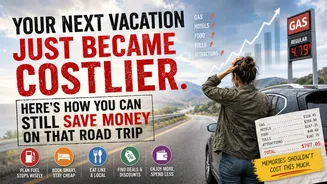
And fuel is only one part of the equation. Tolls, hotel prices, parking fees, and food costs have also increased over the past year. A road trip that comfortably fit within a ₹15,000 budget for two people can now easily cross ₹20,000, especially during weekends and peak travel months. This is exactly why travellers are changing the way they plan vacations.
How To Save On Money After Petrol Diesel Price Hike?
One of the simplest ways people are saving money is by choosing shorter destinations closer to home. Instead of driving 700–800 kilometres, many are opting for nearby hill stations, staycations, or two-day getaways within a 200-kilometre radius. The savings on fuel alone can be significant.
Carpooling is also becoming popular again. Splitting fuel, toll, and parking expenses among four people instead of two immediately cuts travel costs almost in half. For younger travellers especially, group road trips are starting to make more financial sense than solo drives.
Another major factor is driving style. Constant speeding, sudden braking, and heavy acceleration burn far more fuel than people realise. Experts say maintaining a steady speed of around 70–90 km/h on highways can noticeably improve mileage over long distances. Even basic things like correct tyre pressure and avoiding unnecessary luggage weight help reduce fuel consumption.
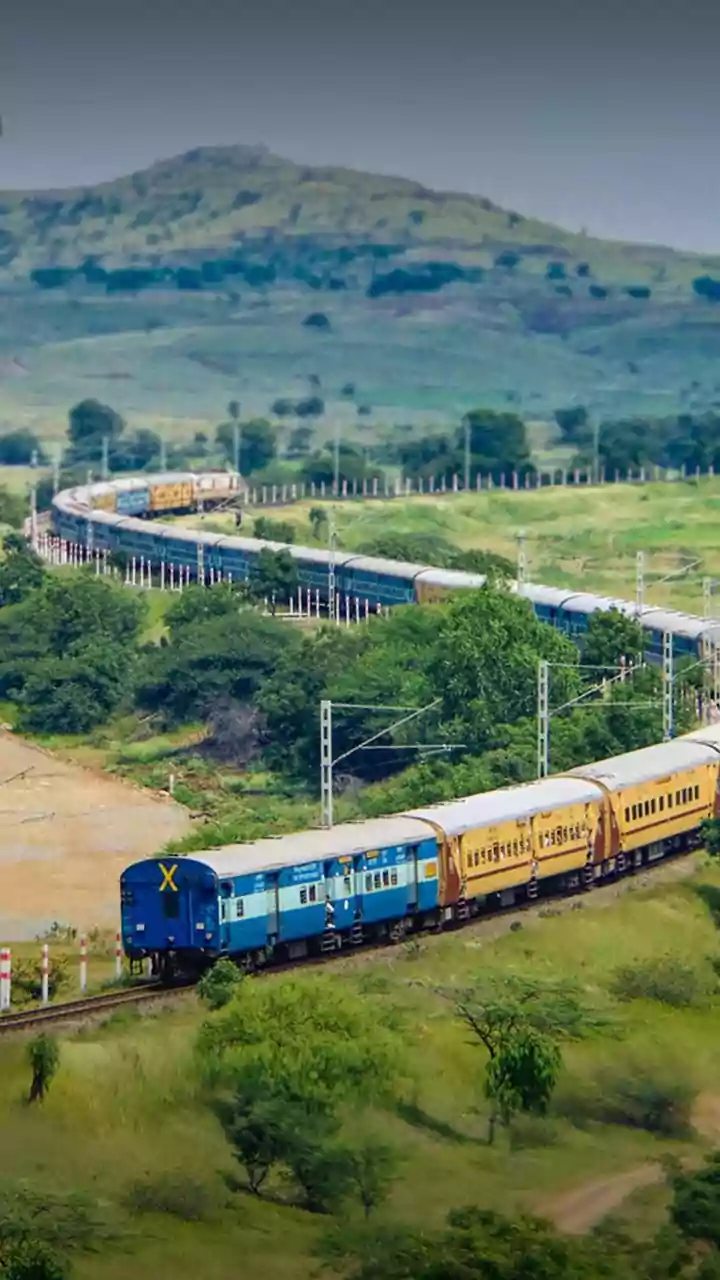
Travellers are also becoming smarter with accommodation choices. Instead of expensive highway hotels booked at the last minute, many are choosing homestays, overnight buses for part of the journey, or weekday travel when prices are lower. Some are even rethinking whether driving makes sense at all for very long vacations. Train travel combined with local taxis or rentals is beginning to look cheaper than taking a personal vehicle across states, especially after repeated fuel hikes.
Road trips are still deeply tied to the idea of freedom and escape in India. That is unlikely to change anytime soon. But the latest petrol and diesel price hike has introduced a new reality: travellers now have to budget for the journey as carefully as the destination itself.