





What is the story about?
Goa and tourism go hand-in-hand. But tourism is not what it used to be 50 years back. It's true that tourism significantly fuels the state's economy, but
with the psychedelic, unpredictable and increasingly demanding strides of tourism in India's smallest, and once warmest state, the pressure on its natural resources can no longer be overlooked. And the wetlands of Goa standout in this regard. Goa’s lakes, mangroves and floodplains are critical for water recharge, biodiversity, and flood control, making the wetlands' well being and safekeeping, incredibly crucial from an ecological perspective - something that the spurts of construction and unplanned takeovers, severely hurt.
A quiet demise?
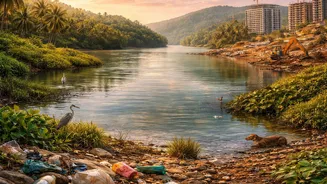
Toyyar Lake in North Goa, surrounded by forested hills, is one of the state’s key freshwater wetlands. It supports agriculture by supplying irrigation water, recharges wells and groundwater systems, and sustains local wildlife. The lake is a notified wetland, legally protected under India’s Environment Protection Act. However, unclear demarcation of wetland boundaries and zones of influence (areas around a water body where development could harm ecological functions) have allowed proposals for large-scale construction projects, most of which are commercial and elective, finds a Dialogue Earth report.Bondvoll Lake in Santa Cruz is another heartbreaking example, which has reportedly experienced a 77% reduction in its officially notified zone of influence, despite scientific recommendations which are more like warnings. Though current construction stands halted, awaiting clarification of the wetland's status, the recurrence of a similar situation is more likely than not. Take the Coastal Torda Creek for reference. Despite it being partially protected under CRZ-I regulations, the construction of a tourism promenade has been suggested for the space, reiterating the same conditions.
Additionally, mangroves along the Panaji-Merces highway have declined due to blocked natural water flows from construction, the report adds. The disruptive pressure on the area's ecological balance isn't lost on authorities, but development-led encroachment continues to amplify the problem into a soon-to-be full-blown crisis.
Goa’s greatest challenge for now then, is not to reclaim its slipping crown of being India's go-to getaway destination, but balance this crucial traffic and their demands in a way that doesn't undermine the safe-keeping of the state's wetlands and biodiversity.