




What is the story about?
Slow travel isn’t about being slow on purpose — it’s about taking your time to enjoy the journey itself instead of rushing to tick off destinations like
checkboxes. It means more scenic train rides, longer stays, deeper connections with places, and less stress about catching flights at crazy hours. This isn’t travel based on FOMO (fear of missing out), but on savouring every moment — from the landscapes outside the window to local chats at a cafe.
Why Are People Shifting Away From Flights?
In 2026, a shift away from frequent flying is becoming more noticeable for a few big reasons. First, many travellers are getting more thoughtful about sustainability. People want their trips to feel good for both themselves and the planet — and flights have higher carbon emissions compared with trains, buses or road travel. That’s pushing travellers to choose alternatives when they can.Second, flight stress is real. Airports, security checks, delays, long waits and turbulence — it all adds up! Train travel, on the other hand, tends to be more relaxed. You can stretch your legs, enjoy the scenery rolling by, and even work or read without interruption. It’s travel that feels slower in the best way possible.
The Rise of Rail Journeys
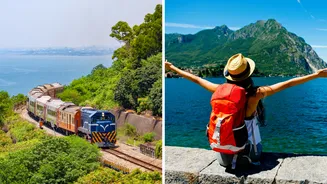
Rail is at the heart of slow travel — and it’s a big trend for 2026. Travel companies and booking platforms are reporting a strong surge in bookings for train journeys, especially those that explore the countryside, mountains, or cultural hubs at a relaxed pace. In some places, rail journey bookings have grown significantly year over year. Instead of flying over a continent, travellers want to ride through it, taking in landscapes, local life, and small towns that often get missed when you zoom by at 30,000 feet.
Rail journeys are also becoming part of the adventure itself. Famous routes — like Europe’s scenic alpine lines or long-distance coastal trains — are trending not just for transportation but as unforgettable travel experiences. It’s almost like putting the ‘vacation’ into travel.
Slow Travel Is About Meaningful Experiences
Travel in 2026 is less about where you go and more about what you feel while you’re there. People are increasingly choosing trips that help them connect with culture, nature or themselves. That means longer itineraries so you can spend more days in one place, exploring towns and regions that don’t get the big crowds, and going off-season for calmer streets, and richer local life. All of these are hallmarks of slow travel — travelling with intention, curiosity, and connection.