








What is the story about?
There was a time when the monsoon meant cancelled trips and grounded plans. But not anymore! This year, Indian travellers have completely flipped the script
and there is one destination that is leading the shift more than any other: Wayanad.
The Numbers That Indicate A New Trend
According to Cleartrip's Peekaboo Trends Tracker, monsoon travel across India witnessed a sharp jump this season, with hotel bookings up more than 54% and bus bookings seeing a staggering 140% rise. And within that broader monsoon boom, hill stations have somehow emerged as the biggest winners, and Wayanad sits right at the top of the list, recording the highest growth in hotel bookings of any destination this season, at over 160%.Also Read: I Travelled To Ladakh Without Acclimatization Medicine - And Some Moments Were Hard But Every Moment Was Worth It
Alleppey comes close with over 145% growth - serving as a reminder that backwaters and rain share a natural chemistry. Other perennial favourites like Kodaikanal and Ooty have not been left behind either, both are witnessing hotel bookings surge by 70%. Clearly, the appetite for misty hills and cool weather has not just returned this monsoon, it has exploded!
Interestingly, this surge is not confined to the classic hill-station circuit. Coastal and heritage destinations are seeing their own monsoon renaissance, with Goa up 110%, Pondicherry up 104%, Visakhapatnam up 85%, and Udaipur recording 50% growth. Travellers, it seems, are no longer waiting for winter or summer vacations. They are chasing rain, and for all the right reasons.
So Why Wayanad?
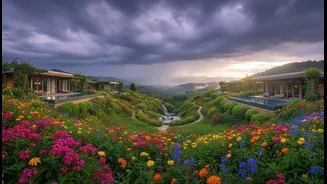
Wayanad is known for being one of Kerala's most authentic hill destinations. It is less commercialised than Munnar and way less crowded than usual places. However this monsoon, it has stepped into the spotlight for a reason that goes beyond scenery. Here is why you should visit this gem.The Landscape Transforms Completely
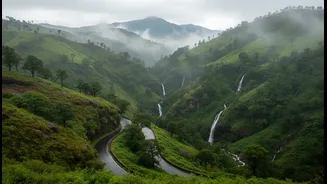
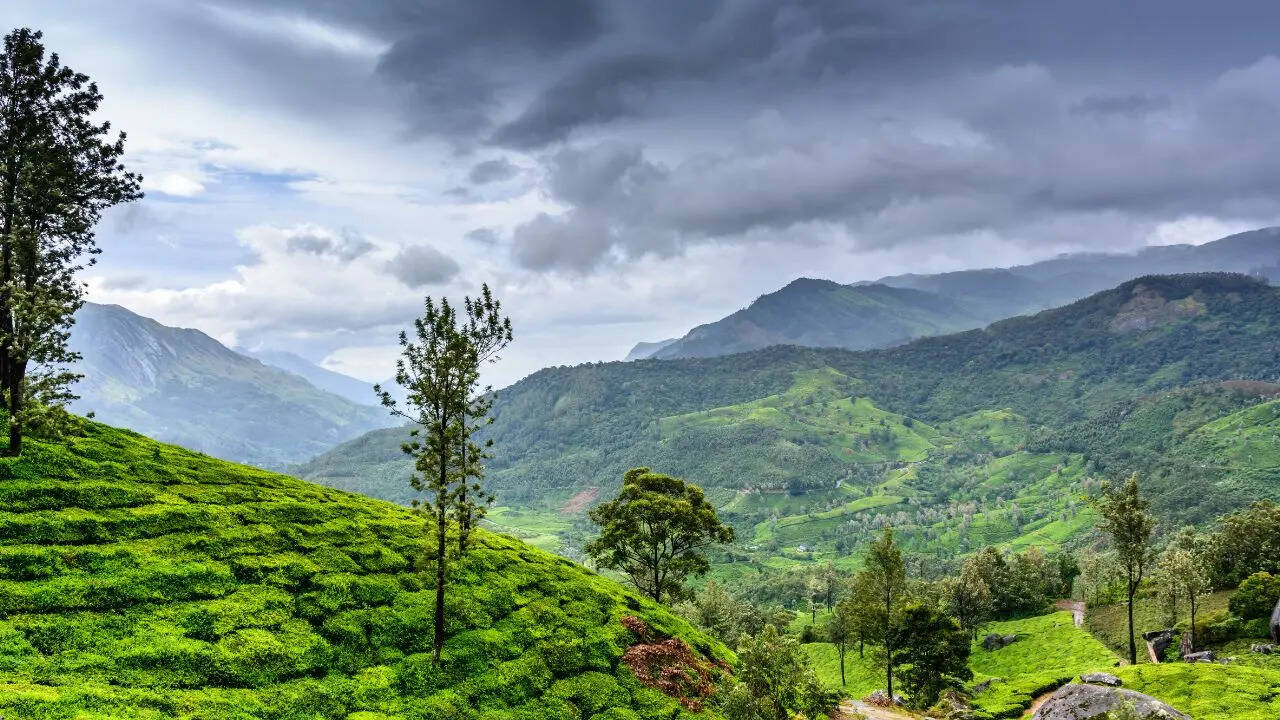
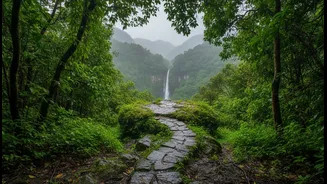
Through June to September, Wayanad's rolling hills, spice plantations, and forest cover turn a shade of green that simply does not exist the rest of the year. Waterfalls that trickle weakly in summer, like Soochipara, Meenmutty, and Kanthanpara, turn into thundering cascades.
Climate Becomes Pleasant
While much of India grapples with floods, Wayanad's elevation keeps temperatures mild, often between 15 and 25 degrees Celsius during the rains.
Wildlife And Nature Comes Alive
The Wayanad Wildlife Sanctuary and surrounding forests turn lush and vivid, and the monsoon is when the region's biodiversity is genuinely at its peak, streams swell, flora flourishes, and the air smells distinctly of wet earth and eucalyptus. Spots like the Chembra Peak, Edakkal Caves, and the tea and coffee estates around Vythiri and Kalpetta take on an almost cinematic quality under grey skies.
The Rise Of Monsoon Travel
Wayanad's boom is not happening in isolation. This monsoon has also seen a strong pull towards India's Northeast, with Nagaland and Arunachal Pradesh emerging as top choices, flight bookings to the region up 62% and hotel bookings up more than 90%. Shillong, Guwahati, Itanagar, Jorhat, and Imphal have all shown a healthy growth. This suggests that travellers are being drawn to monsoon landscapes across the country and not just in the south.Also Read: Lionel Messi, Cristiano Ronaldo And Jude Bellingham May Divide Fans, But These Football Destinations Unite Them
Even among Gen Z travellers, the pattern remains the same: There is a preference for offbeat and nature-driven destinations, with places like Lakshadweep, Leh and international spots like Tajikistan and Muscat seeing sharp upticks in interest.