




What is the story about?
The Nanda Devi Raj Jat Yatra is not just a trek. it is one of the most spiritually powerful journeys in India. Held once every twelve years, this legendary
pilgrimage in Uttarakhand is an amalgamation of faith, folklore, endurance, and breathtaking Himalayan landscapes. Often called the “Himalayan Mahakumbh,” the 2026 Yatra will draw thousands of devotees, trekkers, and cultural travellers from across the country and beyond.
What Is the Nanda Devi Raj Jat Yatra?
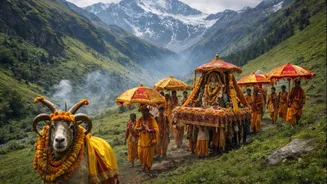
This journey honours Goddess Nanda Devi, the daughter of the Himalayas and Lord Shiva’s divine consort. According to belief, the goddess begins a ceremonial farewell journey from her maternal home in Nauti village to her husband’s abode in the high Himalayas once every twelve years. This sacred procession symbolises devotion, separation, and spiritual surrender. The Yatra covers around 280–290 kilometres on foot and usually lasts close to three weeks. The route takes you through hidden villages, thick forests, open meadows, roaring rivers, and up into the thin air of the mountains.
Why the Yatra Is Spiritually Important
For the people living in Uttarakhand, it’s more than a festival. Families have joined, generation after generation. Every stop along the way turns into a celebration—rituals, folk songs, prayers, laughter. Leading everything is the four-horned Chausingha Khadu, believed to carry the goddess’s spirit. Where it pauses, ceremonies begin. Every halt becomes a sacred space. The journey is tough. It tests faith, patience, and humility. Those who finish often say the experience marks them for life—spiritually and emotionally.Key Facts About Nanda Devi Raj Jat Yatra 2026
- Event cycle: Once every 12 years
- Starting point: Nauti village, near Karnaprayag
- Ending point: Homkund, near Roopkund
- Total distance: Around 280–290 km
- Duration: About 19–22 days
- Difficulty level: Moderate to tough
- Highest altitude: Over 4,000 metres
- Expected to take place: August-September 2026
Overview of the Route
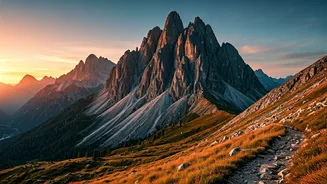
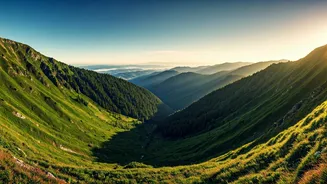
You start at Nauti, then wind through villages like Ida Badhani, Sem, Koti, Kulsari, Mundoli, and Wan. After Wan, you climb higher—through Bedni Bugyal, Patar Nachoniya, Roopkund, Shila Samundra, and finally Homkund. Every stage is different. You’ll move from lush valleys and forests to wide alpine meadows, and then up into the stony, glacier-fed zones. Bedni Bugyal, known as the Meadow of the Gods, stands out both for its beauty and the spiritual atmosphere.