


What is the story about?
The same thing happens every year. Somewhere around late September, wildlife lovers all over India start checking calendars, refreshing booking websites
and asking the same question - "what do the parks open?" After months of being shut for the monsoon, India's forests are finally throwing their gates open again. The rains have washed everything clean, the grass is tall and green, waterholes are full, and animals that spent months undisturbed are stepping back into view. If you want to step into the wild this time, here is your full list, with a bit more detail on what to expect.
Ranthambore National Park, Rajasthan
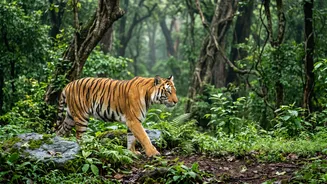
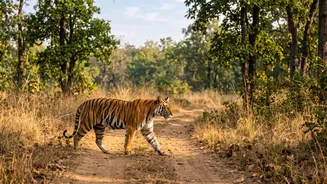
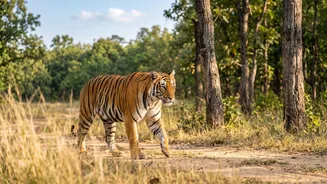
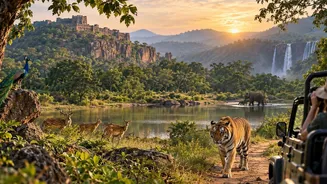
Usually reopens: October 1Ranthambore is one of the most photographed tiger reserves in the country and for a good reason! It sits at the meeting point of the Aravalli and Vindhya hill ranges, and the landscape itself is half the draw. You will see dry deciduous forest, rocky outcrops, and the beautiful Padam Talao lake with the 10th-century Ranthambore Fort rising above it. Tigers here are known for walking right past jeeps without a hint of shyness, and zones 1, 2, 3, and 10 are usually the best bets for sightings.
Sariska Tiger Reserve, Rajasthan
Usually reopens: October 1Sariska sits on the Aravalli slopes near Alwar, which is about a three-hour drive from Jaipur. This makes it an easy add-on if you are already doing a Rajasthan trip. Its history is interesting - the reserve actually lost all its tigers by 2005 due to poaching, and every tiger here today is a result of relocation efforts starting in 2008. That comeback story makes a sighting here feel extra special.
Jim Corbett National Park, Uttarakhand
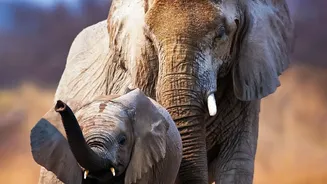
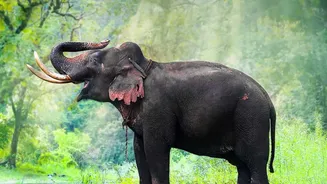
Usually reopens: October 1 (core zones); Jhirna zone stays open all yearCorbett is India's oldest national park, established back in 1936, and it is easily the most visited one in the country with around 70,000 tourists a year. It is also a big park with a lot of variety packed in: The Ramganga river cutting through it, open grasslands, dense sal forest and hilly terrain. This mix means you don't just come for tigers - Corbett has strong elephant populations too, plus leopards, four kinds of deer, and over 600 recorded bird species, which makes it a favourite with birdwatchers as well.
Bandhavgarh National Park, Madhya Pradesh
Usually reopens: October 15If your main goal is tiger sighting, Bandhavgarh is the top recommendation from most safari guides. It was once the private hunting ground of the Maharajas of Rewa, and it is also where the famous white tigers originally came from, though you won't spot a white one in the wild today since none are left there. The park is dotted with history too - ancient caves with old inscriptions, and the Bandhavgarh Fort sitting on a hilltop within the reserve.
Kanha National Park, Madhya Pradesh
Usually reopens: October 15-16Kanha is the forest that inspired Rudyard Kipling to write The Jungle Book, and once you are inside, it is easy to see why - open meadows, tall sal trees, bamboo groves, and streams running through it all. Post-monsoon, everything is a deep, fresh green, and this is one of the best times to visit for the scenery alone. Kanha is particularly known for the hardground barasingha (a rare swamp deer subspecies that was brought back from near extinction here), along with a healthy tiger population, wild dogs, and leopards.
Pench National Park, Madhya Pradesh & Maharashtra
Usually reopens: October 16Pench sits right on the border of Madhya Pradesh and Maharashtra, and is also linked to The Jungle Book - this is actually thought to be Kipling's original geographic inspiration. The park gained a lot of attention because of Collarwali, a tigress who became famous for raising an extraordinary number of cubs over her lifetime, putting Pench firmly on the wildlife tourism map.
Tadoba Andhari Tiger Reserve, Maharashtra
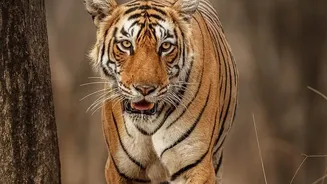
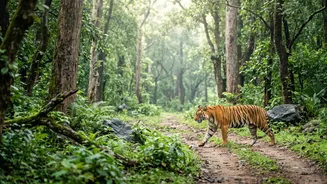
Usually reopens: October 15Tadoba is Maharashtra's oldest and largest national park, located in the Chandrapur district, and over the last decade it has built a reputation as one of the most reliable tiger-sighting destinations in the country - some safari operators rank it right up there with Bandhavgarh. The park is centred around the Tadoba lake, and the core zone gets booked out quickly once the season opens, so this is one to plan for well in advance. Besides tigers, look out for leopards, sloth bears, and large herds of gaur.
Gir National Park, Gujarat
Usually reopens: October 15-16Gir is the only place on earth where the Asiatic lion still survives in the wild, which makes it a completely different kind of safari experience from anywhere else on this list. The forest is dry deciduous, with teak trees and scrubland, and the lion population here has been steadily increasing over the decades thanks to strong conservation work.
Simlipal National Park, Odisha
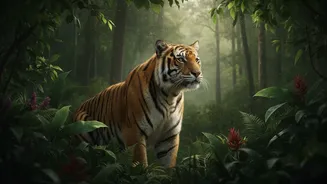
Usually reopens: OctoberSimlipal is worth visiting for its waterfalls as much as its wildlife - Barehipani and Joranda, two of India's tallest waterfalls, are at their most dramatic right after the monsoon. The park itself is thick sal forest broken up by grassy meadows and streams, home to tigers, elephants, and a good number of wild orchid species.