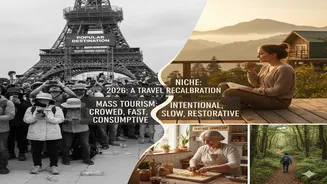






For decades, travel followed a familiar script. Popular cities became postcards. Beaches became backdrops. Bucket lists became crowded queues. But as 2026
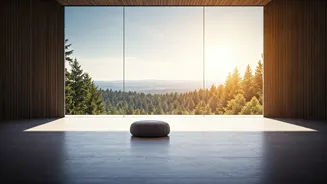
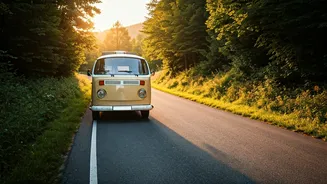
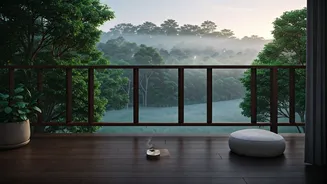
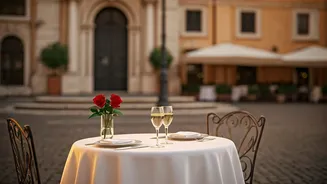
approaches, something quieter and far more intentional is taking over the global travel conversation. Mass tourism is no longer aspirational. In fact, for many travellers, it feels exhausting. Niche travel is not about ticking destinations off a list. It is about choosing experiences that feel personal, restorative, and meaningful. It favours depth over distance and memory over mileage. From silent retreats and food pilgrimages to heritage homestays and climate-conscious journeys, travel is being redesigned around how people want to feel rather than where they want to be seen. This shift is not a fad. It is the natural response to overtourism, climate anxiety, digital burnout, and the growing realisation that more travel does not always mean better travel.
Why are travellers turning away from mass tourism?
Crowded landmarks, inflated prices, environmental damage, and the feeling of being part of a moving herd have stripped mass tourism of its charm. Iconic destinations are struggling under the weight of popularity, while travellers feel they are paying more for less authenticity.
Add to this the post-pandemic emphasis on well-being and personal space, and the appeal of slow, niche experiences becomes obvious. Travellers want control over their time, surroundings, and energy. They want trips that feel like an extension of their lifestyle rather than an interruption.
What exactly is niche travel?
Niche travel focuses on specific interests, values, or ways of living rather than mainstream sightseeing. It can be driven by food, wellness, nature, faith, creativity, work flexibility, or sustainability. Instead of asking where everyone is going, niche travellers ask what kind of experience suits them best.
This could mean travelling solely for regional cuisine, choosing destinations based on biodiversity, planning trips around mental health breaks, or staying longer in one place to truly absorb local life.
Is slow travel replacing fast holidays?
Yes, and decisively so. The idea of rushing through five cities in seven days feels outdated in 2026. Slow travel encourages longer stays, fewer destinations, and deeper engagement. It allows travellers to build routines, support local businesses, and reduce the carbon footprint that comes with constant movement.
Work from anywhere culture has also played a major role. With flexible schedules, people are blending travel with daily life rather than squeezing it into short, stressful breaks.
How important is sustainability in niche travel?
Sustainability is no longer a bonus feature. It is a deciding factor. Travellers are increasingly aware of how tourism impacts water resources, wildlife, housing markets, and local communities. Niche travel often prioritizes eco-friendly accommodation, low-impact transport, and experiences that give back to the region.
This shift is also changing luxury. In 2026, luxury is not excess. It is privacy, clean air, silence, thoughtful design, and ethical choices.
Why are lesser-known destinations gaining popularity?
Because familiarity has lost its appeal. Travellers are actively avoiding places that feel overshared or overwhelmed. Lesser-known towns, rural regions, and culturally rich but underexplored areas are attracting those who value originality.
These destinations offer something mass tourism cannot. Space to breathe, room to connect, and stories that are not already shaped by algorithms and guidebooks.
Is niche travel more expensive?
Not necessarily. While some niche experiences are premium by design, many are about simplicity rather than indulgence. Staying longer often reduces daily costs. Eating local food instead of dining at tourist hotspots is usually cheaper and more authentic. Supporting small businesses often offers better value than paying inflated prices in overcrowded areas.
The real cost difference lies in intention. Niche travellers spend more consciously, not more recklessly.
How are travellers redefining luxury in 2026?
Luxury travel in 2026 is deeply personal. It is waking up without alarms. It is uninterrupted landscapes. It is curated experiences that feel rare rather than flashy. Privacy has replaced prestige. Time has replaced indulgence.
This explains the rise of private villas, wellness lodges, adults-only retreats, and bespoke itineraries designed around rest, creativity, or self-discovery rather than sightseeing.
What role does food play in niche travel?
Food has become one of the strongest drivers of niche travel. Travellers are planning entire trips around regional cuisines, seasonal ingredients, and traditional cooking methods. These journeys are less about restaurants and more about farms, kitchens, markets, and family tables.
Food-led travel connects people instantly to culture, history, and place. It is immersive by nature and impossible to mass produce.
Will mass tourism disappear completely?
Mass tourism will not vanish overnight, but its dominance is fading. It will continue to exist, especially in major cities and during peak seasons. However, it will no longer define aspiration. The cultural shift is clear. Travellers are becoming more selective, informed, and value-driven.
Niche travel is not about rejecting popular destinations altogether. It is about approaching travel with intention, awareness, and respect.
What does niche travel say about the future of travel?
It signals a return to meaning. In 2026, travel is less about escape and more about alignment. People are choosing journeys that reflect who they are, what they value, and how they want to live.
The end of mass tourism is not an end at all. It is a recalibration. One where travel becomes quieter, richer, and far more human.