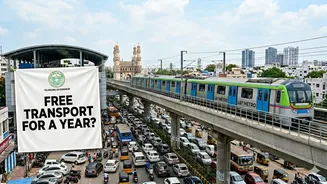









Hyderabad’s traffic problem is no secret. Peak-hour gridlocks, long commute times, and rising vehicle numbers have pushed the city to look for alternatives
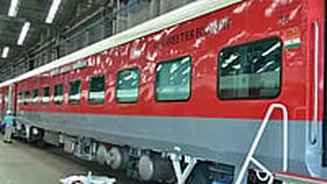
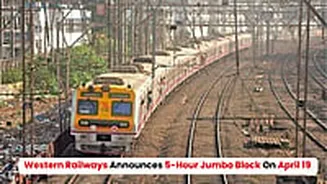
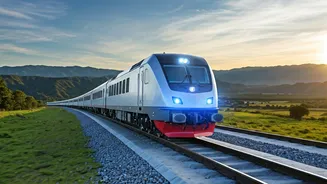
that go beyond flyovers and road widening. Now, the Telangana government is considering a different approach, make public transport so attractive that people willingly leave their cars and bikes behind. The focus point of this idea is the Multi-Modal Transport System (MMTS), Hyderabad’s suburban rail network. The state government has proposed a one-year free travel scheme on MMTS services, positioning it as a pilot to ease congestion and encourage a shift toward mass transit. The proposal has been formally shared with South Central Railway (SCR) through a draft Memorandum of Understanding (MoU), but it is still awaiting approvals.
How Will A Free Travel Scheme Help?
The logic behind the plan is straightforward. Cost is often a barrier to public transport adoption, especially for daily commuters who weigh convenience against expense. By temporarily removing fares, the government hopes to nudge thousands of private vehicle users toward trains. If enough people make the switch, even partially, it could reduce the number of vehicles on already strained roads.
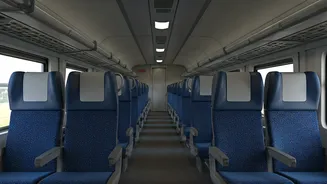
MMTS, despite being relatively affordable, has not reached its full potential in recent years. Issues like limited frequency, connectivity gaps, and competition from other transport options have kept ridership below expectations. A free travel scheme could act as a reset, bringing attention back to the system while encouraging more consistent usage. Officials believe that once commuters experience the reliability and time savings of train travel, some may continue using it even after fares are reintroduced.
What Is Required?
However, the plan is not as simple as flipping a switch. Since MMTS operations involve coordination between the state government and Indian Railways, multiple levels of approval are required. South Central Railway has reportedly responded in principle, but a detailed agreement, financial clarity, and final clearance from the Railway Board are still pending. Questions around cost-sharing, revenue compensation, and operational capacity will need to be addressed before any rollout.
There’s also the matter of infrastructure readiness. A sudden spike in passengers could strain existing services if frequency and capacity are not increased accordingly. For the scheme to succeed, it may need to be paired with improved scheduling, better last-mile connectivity, and commuter awareness campaigns.
Still, the proposal reflects a broader shift in how cities are thinking about mobility. Instead of only expanding roads, there’s growing recognition that managing demand, by making public transport more appealing, can be just as effective. Cities around the world have experimented with fare-free transit in limited ways, often during special events or as short-term trials. Telangana’s idea, if implemented, would be among the more ambitious attempts in the Indian context.
For now, the plan remains on paper, but it has already sparked conversation about what Hyderabad’s commute could look like with fewer cars and more people on trains. Whether the free-ride experiment gets the green signal or not, it highlights a simple but powerful question: what happens when convenience and cost finally align in public transport?