


What is the story about?
As 2025 comes to a close, travel isn’t slowing down — it’s getting stranger, smarter, and more intentional. Forget ticking off landmarks or chasing viral
spots. In 2026, travellers want meaning, calm, and stories they can actually feel connected to. From avoiding famous cities on purpose to letting someone else make all the decisions, here are the travel trends shaping the year ahead.
The Rise Of The Anti-Tourist
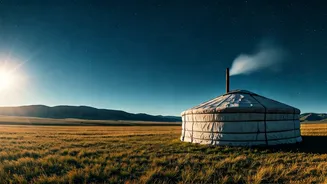
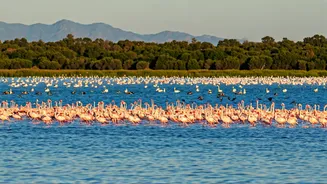
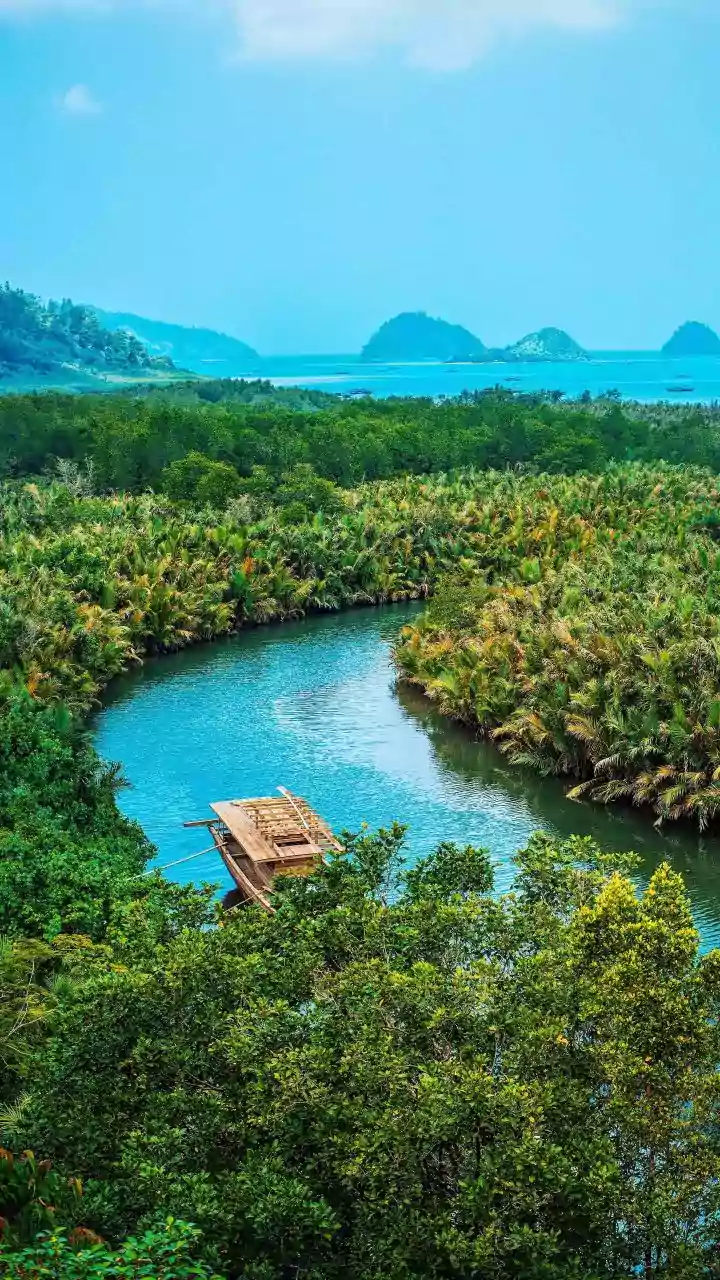
In 2026, being a tourist isn’t cool — not being one is. More travellers are actively avoiding peak seasons, overcrowded cities, and headline destinations. Instead of Paris or Bali, they’re choosing quieter secondary cities that offer local culture without the crowds. Travel advisors say climate change is a major reason behind this shift. Many travellers now prefer destinations with moderate weather and fewer tourists. Places outside major hubs are gaining attention, and platforms like Agoda report that searches for secondary destinations in Asia are growing much faster than traditional hotspots. Governments are catching on too, with countries like Indonesia and Japan promoting regional travel to ease pressure on famous cities.
Decision Detox Holidays
Planning a holiday used to be exciting. Now, for many people, it’s just exhausting. In 2026, travellers are opting for “decision detox” trips — holidays where someone else handles everything. Curated all-inclusives, hotel-designed itineraries, you name it. The whole point is simple: less choice, less stress. People are showing up already mentally drained, so they hand things over to trusted brands or agencies and let them take the wheel. Luxury travel jumped on this fast, swapping endless options for a handful of thoughtful ones. Travellers actually get to relax without having to stress about thingsWellness Goes Beyond Spas
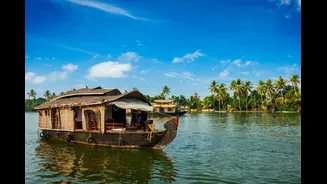
Wellness travel in 2026 isn’t just about spa treatments or yoga by the pool anymore. It’s more ambitious and science-backed. Travellers are seeking trips that dig into mental health, movement, and longevity. The focus is deeper, and the benefits last longer. This includes Ayurvedic retreats in India, yoga-surf escapes in Costa Rica, silent retreats in Canada, and active nature trips involving hiking, cycling, or rafting. Younger travellers, especially those under 35, are leaning towards trips that keep them physically active while helping them maintain wellness routines even while travelling.
Nostalgic Travel And Golden Gap Years
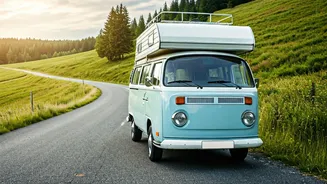
Travel in 2026 is looking backward as much as forward. Younger travellers are recreating childhood holidays — visiting the same beaches, hill stations, or road trip routes they once travelled with family. At the same time, newly retired travellers are embracing what’s being called the “golden gap year.” With fewer responsibilities, they’re taking longer, more adventurous trips by train, road, or cruise. Many retirees are even considering year-long travel, choosing exploration over slowing down.Meaningful, Place-Driven Luxury
Luxury travel is changing its definition. In 2026, it’s not about how far you go — it’s about how deeply you connect. Travellers are choosing destinations that feel intimate and authentic. Hotels and stays that reflect local history, craftsmanship, and culture are in demand. Travellers want to feel embedded in a place, not insulated from it. Hands-on experiences like truffle hunting, local rituals, and conservation projects are replacing passive sightseeing.
Hushpitality And Quiet Escapes
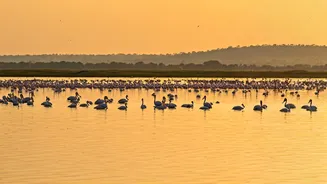
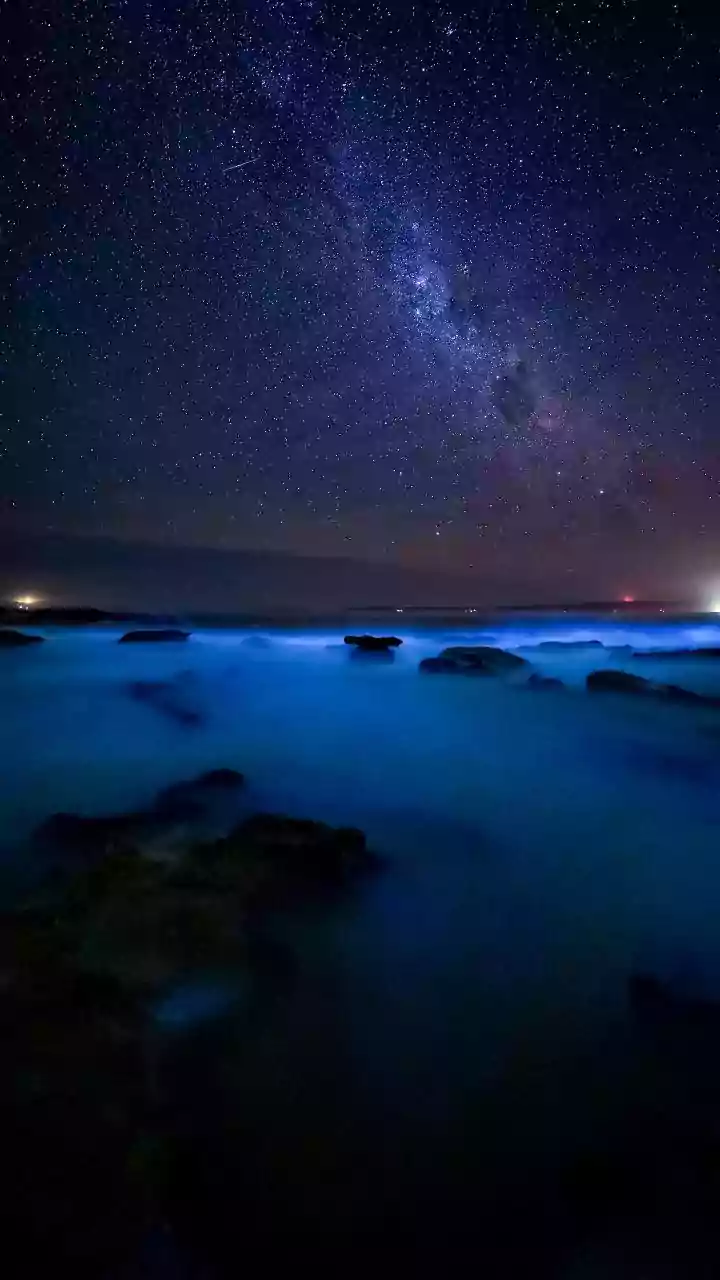
After years of noise, notifications, and nonstop scrolling, silence is becoming a luxury. Enter “Hushpitality” — travel designed around calm, low stimulation, and digital detachment. These trips focus on nature, rest, and mental recovery. Device-free stays, ocean-focused escapes, and slow-paced itineraries are gaining popularity. With global stress levels high, travellers are using travel as a way to reset their minds, not just relax their bodies.Rail Revival
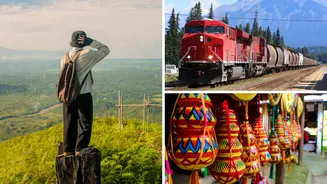
Finally, trains are having a serious moment. In 2026, more travellers are choosing rail journeys over short-haul flights to reduce their carbon footprint and enjoy the journey itself. Rail-based adventures are taking off, especially on scenic and long-distance routes in Japan, India, and Europe. People want to slow down, watch the world change through the window, and feel a real connection to the places they travel through. Flights just can’t give you that.