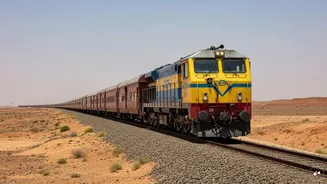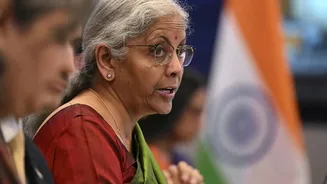

The Union Budget 2026 placed a clear bet on travel-first infrastructure: Today, for Budget 2026, Finance Minister Nirmala Sitharaman announced 7 new high-speed
rail corridors intended to stitch together economic, cultural and tourism nodes across India, and one of those corridors singled out a fast link from Varanasi to Siliguri, a route that instantly reframes how travellers might combine spiritual and Himalayan trips.
Why This Matters?
Most corridors in the Budget target metro and industrial clusters (Mumbai–Pune, Pune–Hyderabad, Hyderabad–Bengaluru, Chennai–Bengaluru, Hyderabad-Chennai), so the Varanasi–Siliguri announcement is notable, it elevates two non-metro, tourism-rich gateways and signals intentional diversification of India’s travel map. The rail ministry and implementing agencies are already moving fast: several Detailed Project Reports for the new bullet corridors are reportedly ready, a sign these projects are being planned beyond headline stage.
What The Corridor Will Unlock For Travellers
To stard off with, there will be fewer transit days and more time actually exploring. High-speed connectivity makes it realistic to pair an immersive Varanasi pilgrimage with a multi-day Himalayan foray from Siliguri, and to do it in one trip rather than two separate holidays. The Budget’s wider tourism push, which includes trekking experiences, heritage site development and fresh capex for railways, underlines a coordinated nudge toward experience-led travel.
What Awaits You In Varanasi (The Sacred Ghats)
Varanasi’s pull is elemental: pre-dawn boat rides on the Ganga, the spine-tingling Ganga aarti at Dashashwamedh, and labyrinthine lanes that host centuries-old temples, classical music salons and artisanal shops. Recent urban upgrades and curated experiences, heritage walks, riverfront promenades and improved temple access — have made the city friendlier to international visitors without dulling its rituals. For photographers, pilgrims and cultural travellers alike, Varanasi still offers irreplaceable, slow-time moments.
What Awaits You In Siliguri (The Himalayan Gateway)
Siliguri is less a destination and more a launchpad — but it’s quietly becoming a place to linger. Between tea-estate drives, birding at Mahananda Wildlife Sanctuary, and short excursions to Mirik, Darjeeling and the lower reaches of Sikkim, Siliguri gives travellers a softer, greener counterpoint to Varanasi’s ritual intensity. Adventure seekers can use it as the logistical base for trekking, river activities and jeep safaris into the foothills.
How To Plan
A practical itinerary could fold into 7–10 days: start with 3 days in Varanasi (aarti, ghats, silk and culinary trails), hop the future high-speed service to Siliguri and spend 4–7 days exploring tea gardens, sunrise Himalayan viewpoints, and short treks. The corridor also opens up layered marketing possibilities, spiritual tourism packages that end in mountain wellness breaks, or honeymooners who pair ritual blessings with hill-station calm.
Budget 2026 did more than name new metro links: by backing a Varanasi–Siliguri corridor it put cultural depth and Himalayan access on the same high-speed track. For travellers, that means richer multi-region itineraries, shorter transit, and a fresh reason to plan journeys that pair India’s oldest rituals with its newest mountain escapes. Along with this, the importance given to these two cities, amongst all other metropolitan regions for the development of corridors stands out as a statement of the future of these areas.