






What is the story about?
Delhi is a city that is defined by its rich history and cultural heritage. Every ruler has left something behind, and every neighbourhood echoes a story.
To understand Delhi, you have to walk through the places that shaped it. These five spots show you how the city grew, changed, and survived across centuries.
Red Fort
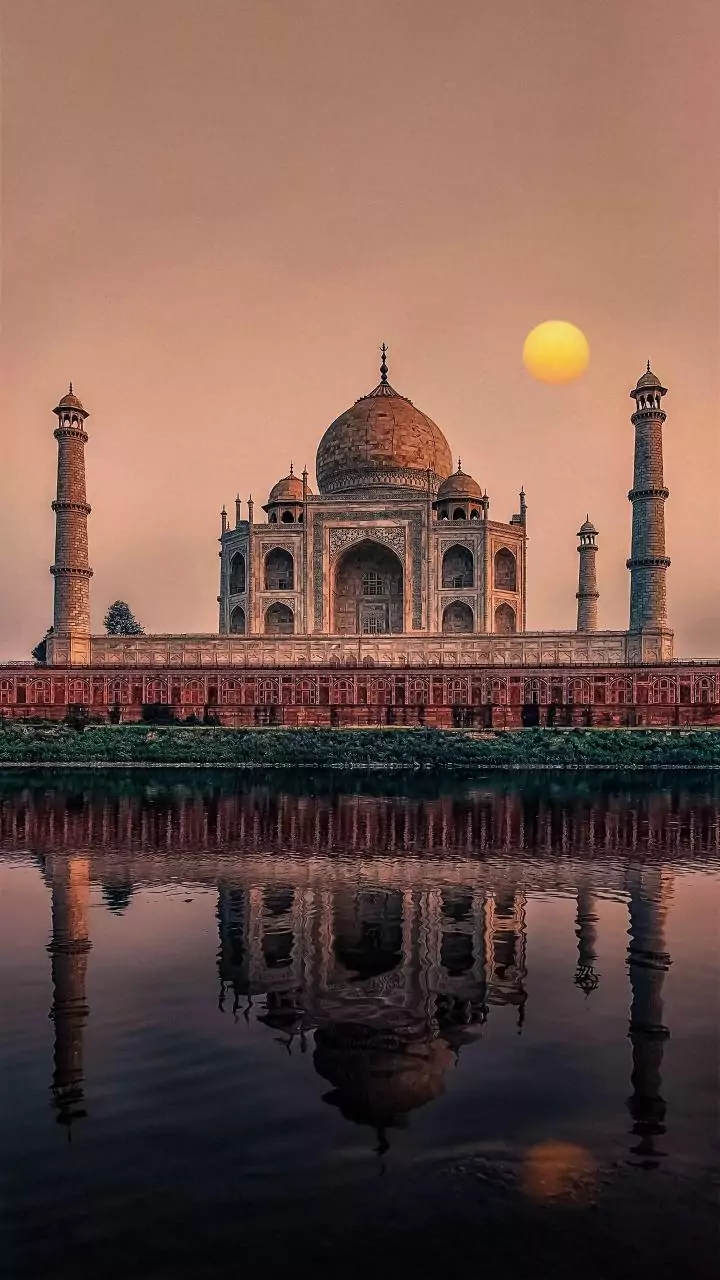
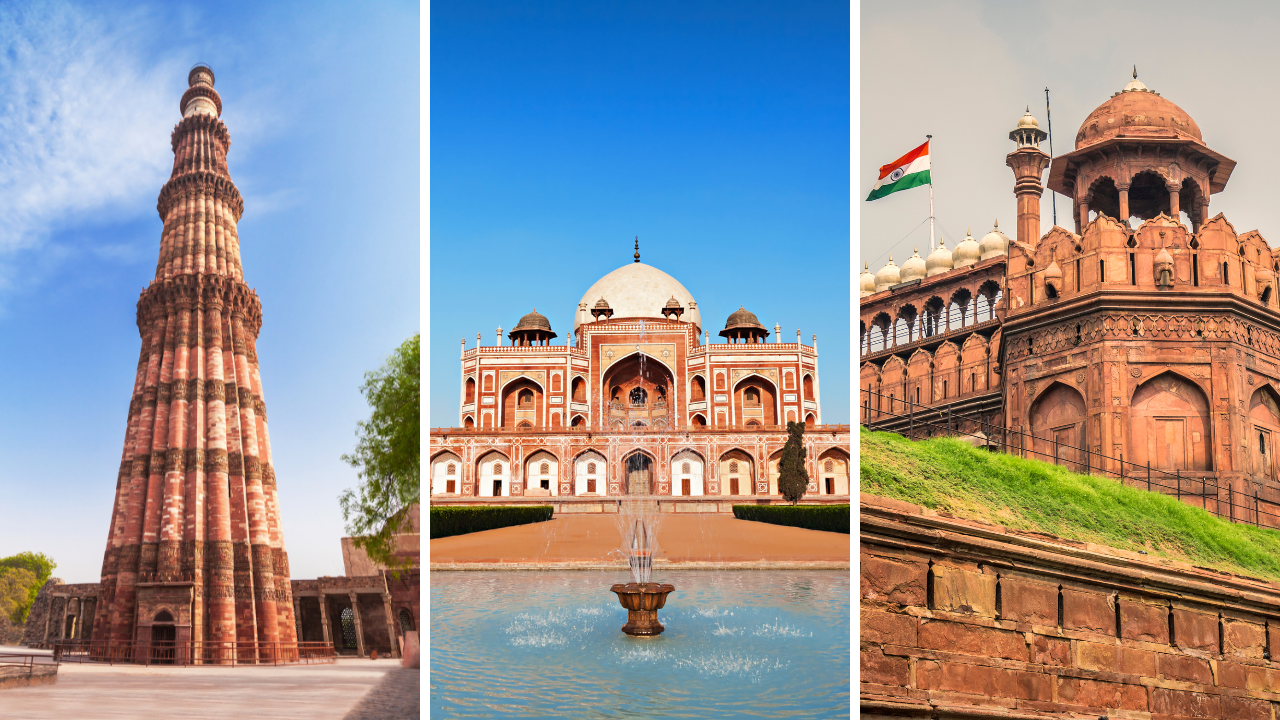
The Red Fort is the heart of old Delhi. It was built by Shah Jahan, the Mughal emperor who also made the Taj Mahal. The fort is huge, enclosed within big walls of red sandstone. You can imagine the markets, soldiers, royal families and courtyards as you walk through the Lahori Gate. The Diwan-i-Aam and Diwan-i-Khas will remind you of the Mughal style of ruling—grand, artistic, and full of ceremony. India’s first Prime Minister gave the Independence Day speech from here. Even today, the Red Fort feels alive with history.
Qutub Minar
Qutub Minar shows the beginning of Delhi’s Sultanate period. It is one of India’s tallest ancient towers. The carvings are detailed. The stone feels cold and quiet. The minar stands next to the old Quwwat-ul-Islam Mosque, which is one of the first mosques in India. You also see the Iron Pillar, which has not rusted for more than 1,600 years. The entire complex tells you how Delhi shifted from old kingdoms to new rulers, new languages, and new styles of architecture. Qutub Minar is a reminder that Delhi has always been changing.
Humayun’s Tomb
Humayun’s Tomb is peaceful. The gardens are green and wide. The pathways are straight and calm. It is one of the best examples of Mughal architecture. Many people say this tomb inspired the design of the Taj Mahal. The structure shows balance, symmetry, and beauty in a simple way. Inside the complex, you also see smaller tombs and gateways. They show how the Mughals believed in honour, family, and legacy. When you walk here, you feel how Delhi once looked during the Mughal era—quiet, elegant, and full of life.
Purana Qila
Purana Qila is one of the oldest forts in the city. Some historians say the site is linked to the ancient city of Indraprastha mentioned in the Mahabharata. Later, Sher Shah Suri rebuilt it. The fort walls are tall and strong. The surroundings feel untouched. The lake outside adds charm. Inside the fort, you see ruins that speak of many rulers and many battles. Purana Qila helps you understand Delhi’s deeper, older past—long before the Mughals or the British arrived.
Chandni Chowk
To understand Delhi today, you must visit Chandni Chowk. This old market was designed by Shah Jahan’s daughter, Jahanara Begum. The spot is always full of crowds, chatter and energy. You see old shops, tiny lanes, spice stores, and traditional eateries. Chandni Chowk embodies the soul of Delhi. The market has been running for centuries. The buildings may change, but the spirit stays the same. Here, Delhi feels real and raw, just like it has always been.