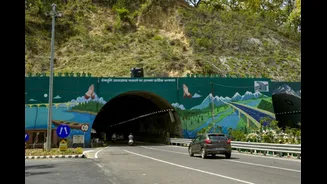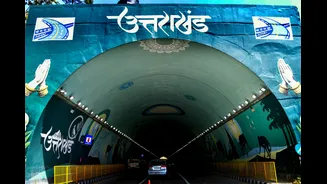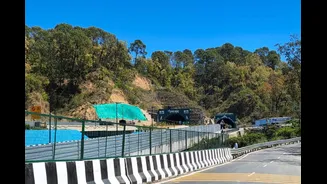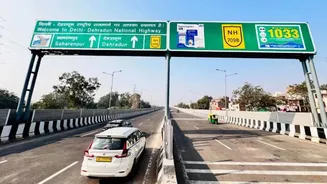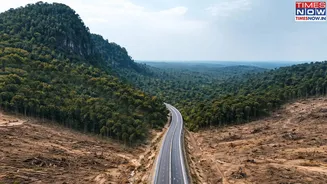




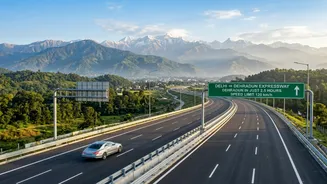
While our screens are filled with visuals of the new Delhi-Dehradun expressway and celebratory speeches, the mountain lover in me is uneasy. I have seen
what this road has cost. I have driven through Mohand for years, long before it became a construction corridor. There was a time when that stretch announced Dehradun before the signboards did. You rolled your windows down and the forest air rushed in. You felt it in your lungs then slowly that changed. First the trees began thinning, then the trucks arrived, the dust followed and that familiar stretch turned into a haze of concrete and movement. We started rolling our windows up instead, waiting to enter Dehradun only after we had crossed the damage. Eventually, we gave up on Mohand altogether. We took the Haridwar route, driving through the edges of Rajaji National Park, holding on to whatever was left of that feeling. And all along, the expressway kept rising. All of this we are told is progress. A 2.5-hour drive from Delhi to Dehradun down by almost two hours. Then forty minutes more to Mussoorie, another forty to Landour, right up to Lal Tibba. The mountains, now within easy reach but that’s exactly my concern. Why must the mountains be easy? This access doesn’t come alone, it brings volume, speed, noise and brings people who arrive before they understand where they are. Have we prepared for that? Have we told people that the hills are not an extension of the city? That you cannot treat them like a weekend venue where you eat, click, litter, leave? That a plastic bottle tossed out of a car window here doesn’t disappear? We built the road but we didn’t build the mindset and this is exactly where the discomfort grows. With reduced travel time will come increased demand. More investment, more construction and more homes carved into hills that were never meant to hold them - and this process has already started. Dehradun will expand and when it begins to choke, as all overbuilt cities do, we will move upwards - to Mussoorie, then to Landour and to wherever the road still goes. We have seen this pattern before. It doesn’t end with access, it ends with exhaustion of land, air and of everything that once made these places worth reaching. So today, as we celebrate connectivity, there is another question we need to sit with: Are we ready for what we have opened up because roads don’t just bring people closer to the mountains, they also bring the mountains closer to damage. And I fear that in Dehradun's case, it will happen faster than ever.