



What is the story about?
If you are planning a five-day wildlife photography trip in November with a budget of around ₹50,000, the biggest question is not just where you’ll see
more animals, it’s what kind of photographs you want to come back with. At first glance, both Jim Corbett National Park and Ranthambore National Park seem similar. Both are iconic tiger reserves. Both offer jeep safaris, experienced guides, and strong chances of wildlife sightings in winter. But for photographers, the two parks feel completely different once you enter the jungle. Ranthambore is dramatic and cinematic. Corbett is immersive and unpredictable. And that difference matters a lot when you only have ₹50,000 to spend.
For Photography
November is considered one of the best months for both parks because the weather becomes pleasant, the parks fully reopen after monsoon, and wildlife activity increases around water bodies. Morning safaris especially offer softer light and better visibility.
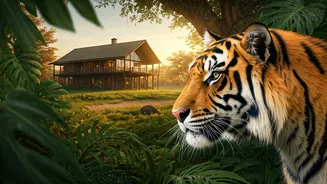
For photographers focused mainly on tiger portraits, Ranthambore has the edge. The terrain is dry and comparatively open, which means animals are easier to spot and photograph. Tigers are often seen walking on tracks, sitting near lakes, or emerging from ruins and grasslands in broad daylight. Zones 3 and 4 are especially popular among photographers because they combine lakes, ancient structures, and regular tiger movement. This openness changes everything for photography. You can shoot at lower ISOs, get cleaner compositions, and capture full-body tiger frames without branches constantly blocking the view. Even amateur photographers tend to return with sharp, frame-worthy images from Ranthambore.
Corbett, on the other hand, is less about guaranteed tiger shots and more about the feeling of being inside a living forest. The park’s dense sal forests, riverbeds, misty grasslands, and Himalayan foothill landscapes create far more atmospheric photographs. In places like Dhikala, early morning safaris can produce stunning frames of elephants crossing rivers, deer emerging through fog, or golden light cutting through the trees. But there is a catch: photographing wildlife in Corbett is harder.
The forest is denser, visibility is lower, and animals disappear quickly into foliage. Tigers are absolutely present, Corbett has one of India’s highest tiger populations, but spotting them is more difficult than in Ranthambore because the jungle itself hides them so well. For serious wildlife photographers, though, that challenge is exactly what makes Corbett rewarding. The images feel wilder, less staged, and more atmospheric.
For Budget
Budget-wise, both parks can fit inside ₹50,000 if planned smartly from Delhi. Ranthambore is usually easier on logistics because safari zones, hotels, and transport are concentrated around Sawai Madhopur. Corbett can become more expensive if you stay inside premium zones like Dhikala or book last-minute permits. Still, both parks comfortably work within budget if you choose mid-range stays and around four to six safaris.
So which one should you pick?
Choose Ranthambore if your goal is clear tiger photography, easier sightings, dramatic compositions, and a higher chance of returning with “the shot.” Choose Corbett if you care more about storytelling, landscapes, birdlife, elephants, forest atmosphere, and the feeling of photographing wilderness rather than simply chasing a tiger. Because in the end, Ranthambore gives you better tiger pictures.Corbett gives you better jungle photographs.