





What is the story about?
Global travel is changing again, and this time, it’s not because of a pandemic. Rising tensions across the Middle East, combined with higher fuel costs
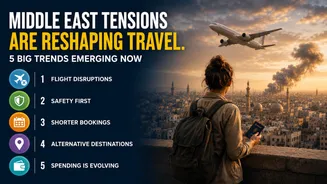
and disrupted air routes, are quietly transforming how people plan vacations, book flights, and even decide where they feel comfortable traveling. Airfare prices have climbed sharply on several international routes in recent weeks as airlines reroute flights to avoid conflict zones and airspace restrictions. For travelers, the ripple effects are already visible: longer travel times, more expensive tickets, and a noticeable shift in travel behavior. Here are five major trends emerging as the travel industry adjusts to growing uncertainty.
1. Travellers Are Booking Closer to Home
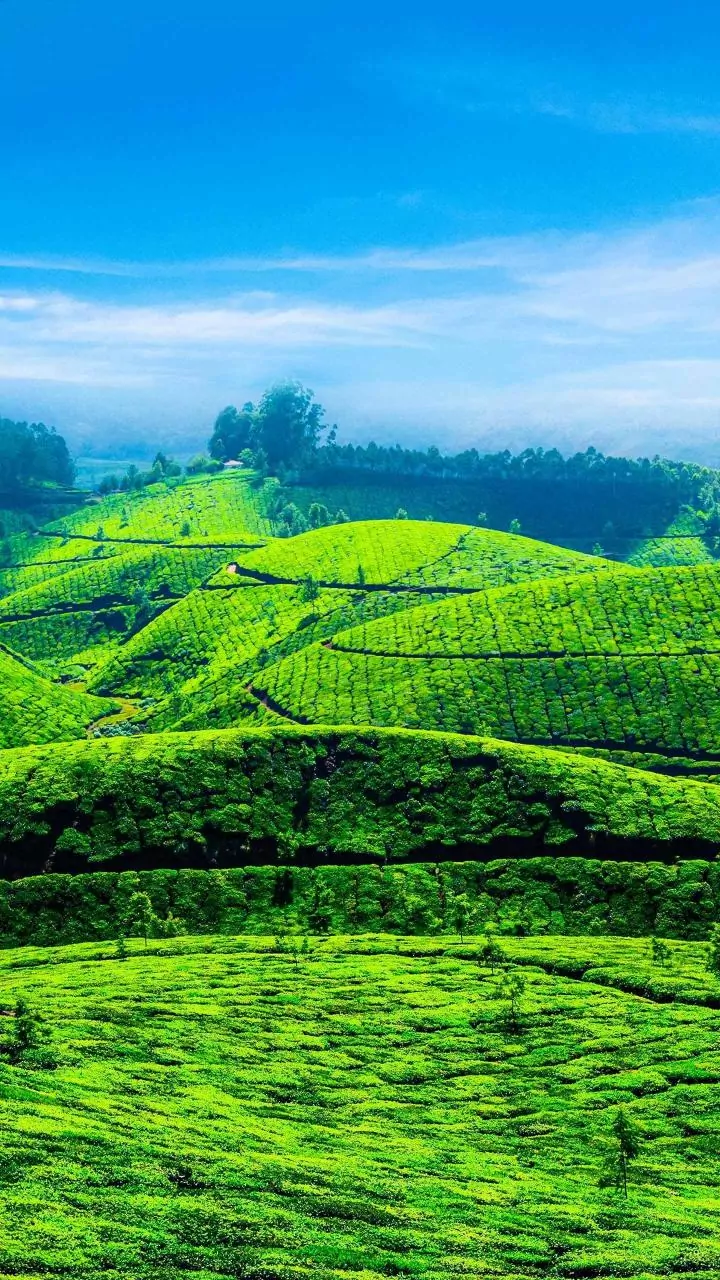
International trips are becoming harder to justify for many families facing rising costs. As a result, domestic tourism is seeing renewed momentum. Instead of long-haul vacations, travellers are choosing destinations within driving distance or short flights away. Weekend getaways, hill stations, beach towns, and nearby cultural cities are gaining popularity because they feel more predictable, affordable, and easier to manage if plans suddenly change. Travel companies are also reporting increased interest in “safe and familiar” destinations over ambitious multi-country itineraries.2. Last-Minute Travel Is Becoming More Common
For years, travellers were encouraged to book early to lock in cheaper fares. But uncertainty has changed that mindset. Many people now hesitate to finalise plans months in advance because flight schedules, geopolitical situations, and prices can shift quickly. Instead, travellers are waiting longer before confirming trips, hoping for more clarity and flexibility. This trend is especially noticeable among younger travellers, who increasingly prioritise adaptability over rigid schedules.3. Flexible Bookings Matter More Than Luxury
Luxury upgrades are no longer the main selling point for many travelers. Flexibility is. Airlines and hotels offering free cancellations, date changes, or refundable bookings are becoming far more attractive than premium amenities. Travelers want reassurance that if situations worsen or routes are disrupted, they won’t lose large amounts of money. This shift has also pushed travel insurance back into focus. Policies covering delays, cancellations, and emergency disruptions are seeing higher demand than they did just a year ago.4. Alternative Routes and Layovers Are Increasing
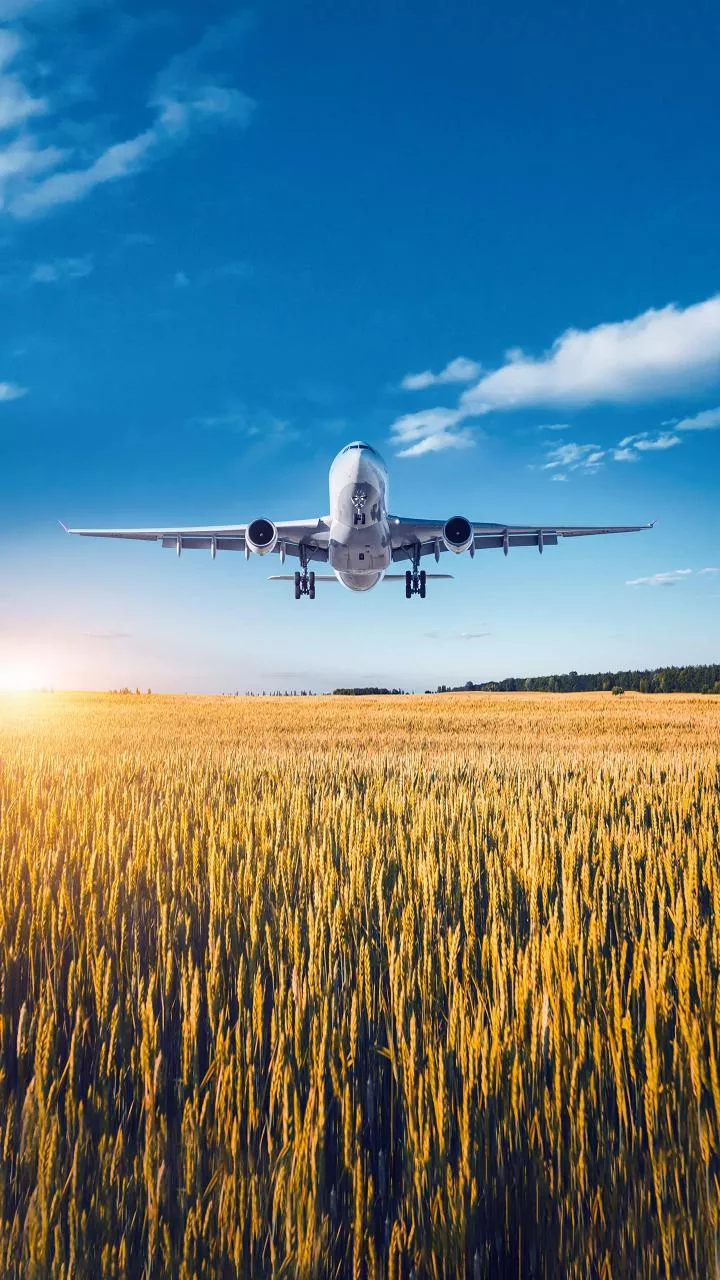
Flights between Asia, Europe, and parts of the Middle East are being rerouted in response to regional tensions and restricted airspace. For passengers, this often means longer flight durations and unexpected stopovers. Some routes that once took eight hours may now take ten or eleven. Airlines are also redesigning schedules to reduce operational risks, which has created more indirect journeys. Travellers are slowly adapting by prioritizing reliability over convenience. A longer route with fewer uncertainties is now preferred over a faster itinerary that may face sudden disruption.5. Budget Travel Is Getting Smarter
Rising airfare costs are forcing travelers to rethink spending habits. Instead of canceling trips entirely, many are changing how they travel. People are shortening vacations, traveling during off-peak dates, choosing budget accommodations, and using fare-tracking tools more aggressively. Group travel is also becoming more popular as travellers split accommodation and transport costs.In many ways, travel is becoming more intentional. Travelers are planning carefully, comparing more options, and focusing on value instead of spontaneity. The bigger picture is clear: global uncertainty is reshaping travel behavior in real time. While people still want to explore the world, they’re doing it more cautiously, strategically, and with far greater awareness of how quickly conditions can change.