




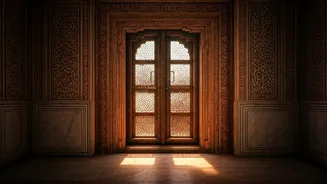
There are grand invitations and then there are those rare ones that open doors very few are ever invited to cross. We walk past a grand entrance guarded
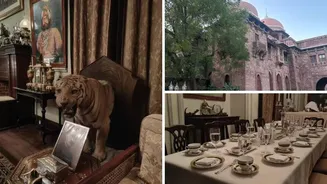
by traditionally dressed Rajasthani sentries, through towering wooden doors and across heritage tiles that instantly transport us to another era. The lights are dim, yet the chandeliers glow with a magnificence that could outshine the finest luxury hotels. This is no ordinary dining room. It is the former private dining space of Jodhpur's Maharaj Ajit Singh, younger brother of the Maharaja of Jodhpur, who built Ajit Bhawan in 1923 as his private residence, a part of which went on to become India’s first heritage hotel in the 1970s. Even today, his daughter-in-law Rani Usha Devi (wife of the late Maharaj Swaroop Singh) and her sons, luxury lifestyle designer Raghavendra Rathore and his brother Suryaveer Singh Rathore, reside in the palace with their families. PS: The residential wing which includes the dining room remains closed to the public. The room feels less like a dining hall and more like a living museum of legacy. Everywhere you look, there is evidence of a life once lived in grandeur, family heirlooms, rare collectibles, portraits and preserved memories of royal hunts. Tiger and leopard heads, elephant tusks, bison heads, even a crocodile mounted with pride, all remind you of an era when shikar was not just sport but status. Leopards and tigers, after all, are among the most elusive and evasive predators in the wild who are masters of camouflage and speed. To hunt one demanded extraordinary precision, a quality that was once celebrated among royalty and the elite in the early 1900s. You also cannot miss a striking portrait of Maharaj Ajit Singh posing with Africans surrounded by an interesting formation of enormous tusks which are taller than them in height. Yet, amidst all the hunt displayed, there is also some softness. While the corridors of Ajit Bhawan are lined with portraits of men who mattered, this intimate dining space also features the women of the family. Stunning frames in silver and carved wood hold photographs of regal and beautifully elegant women posing with their families in a manner that's dignified, commanding and timeless all at once. Family portraits rest atop antique wooden sandooks, as though stories are being safeguarded within stories. There is also a silver paalna which was once a cradle, and is now transformed into a stunning bar. Rugs with intricate craftsmanship soften the marble floors, preserved impeccably through decades. At the heart of it all is a long dining table that seats twelve. Draped in white linen, adorned with heavy silverware that has clearly witnessed generations. Vintage salt and pepper shakers, gold-and-black rimmed plates, ornate vases, every detail speaks the language of royalty. The service is as refined as the setting. Staff dressed in crisp whites move with quiet efficiency, presenting multiple three-tiered trays stacked with tea cakes and cookies, delicate mini sandwiches and local favourites such as pyaaz ke pakoras, miniature samosas and bite-sized kachoris. And then, the showstopper arrives: freshly made keema samosas, served hot and flavourful leaving behind the kind of taste you cannot forget. Tea arrives in large, vintage cups and saucers that feel as storied as the room itself. And as we sip, servers stand discreetly attentive, ready to refill without being summoned. The hospitality feels inherited, almost ceremonial. In the room is also a massive two-winged ceiling fan which is surprisingly minimal yet perfectly adequate. To sit at that table, knowing that once upon a time, Jodhpur’s most distinguished guests gathered here for meals, conversations and confidences is to feel momentarily woven into history. Royalty may be rare in modern India but in Jodhpur legacy is still lived. This rare glimpse into a private world which was layered with grandeur, stories and silences was not just high tea. It was an experience that will stay. The royals, we were told, are deeply private people so while they weren’t present, what we experienced felt no less intimate.