








What is the story about?
For years, travellers have been chasing the perfect digital detox. The idea was simple: switch off your phone, log out of social media, and escape the constant
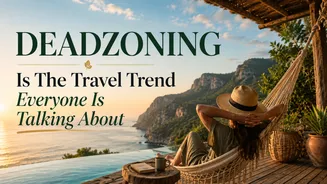
noise of modern life. But a new travel trend is taking a slightly different approach, and it’s called 'deadzoning.' Despite its dramatic name, deadzoning isn’t about disappearing from the world entirely. Instead, it involves intentionally travelling to places with little or no internet connectivity, where weak signals and patchy networks force people to disconnect naturally. This is all about remote mountain villages, isolated beaches, countryside retreats, desert camps, or even long train journeys through areas with poor reception.
What Is Deadzoning Travel Trend?
The trend has gained momentum as more people feel overwhelmed by endless notifications, work emails, and the pressure to stay available around the clock. Unlike a traditional digital detox, which requires discipline and self-control, deadzoning removes temptation altogether. If there’s no signal, there’s no scrolling. For many travellers, that is exactly the appeal.
Travel experts say modern holidays often come with a strange contradiction. People spend months planning an escape, only to spend much of the trip checking messages, posting updates, and responding to work requests. Deadzoning flips that experience on its head. When there’s no reliable connection, travellers are more likely to focus on the destination itself rather than documenting every moment for social media.
The trend is particularly popular among younger travellers who have grown up with smartphones. Many describe deadzoning as a rare opportunity to experience boredom again, something that sounds negative but is increasingly viewed as valuable. Without constant digital stimulation, people often find themselves reading, journaling, walking, observing their surroundings, or simply sitting quietly and taking in a view.
What Experts Say About It?
Mental health experts have also weighed in on the conversation. While deadzoning is not a cure-all for stress or burnout, temporary breaks from screens can help reduce information overload and improve focus. Many people report feeling calmer after spending time in places where they are not constantly connected as this helps them stay away from the constant pressure of availability while not getting stressed out about missing out on the world.
Interestingly, the trend isn’t necessarily about luxury. Some of the most sought-after deadzoning destinations are simple, nature-focused locations where the absence of technology becomes part of the attraction. A cabin in the hills, a remote island, or a village far from urban centres can suddenly feel more appealing than a five-star resort with perfect Wi-Fi. Of course, deadzoning isn’t for everyone. Some travellers still need internet access for safety, navigation, or work commitments. Others simply enjoy sharing their experiences in real time. But the growing popularity of the trend suggests that many people are craving a different kind of escape, one where being unreachable is not an inconvenience but the entire point.
In a world where constant connectivity has become the norm, deadzoning offers something increasingly rare: the freedom to be fully present. And for travellers exhausted by screens, notifications, and endless online demands, that might be the most luxurious travel experience of all.