






What is the story about?
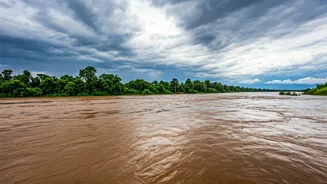
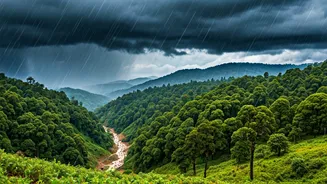
Arunachal Pradesh's lush green hills may look their best during the monsoon, but this week, the weather has turned dangerous. Days of relentless rain have
unleashed flash floods and landslides across parts of the state, washing away roads, damaging homes and disrupting travel. If you're planning a holiday to the Northeast anytime soon, here's why it's important to check the latest updates before you leave.
Arunachal Pradesh Flood Update
The most recent reports paint a worrying picture. Rescue teams have recovered another body in Papum Pare district, taking the death toll to three. Authorities are still assessing the damage while emergency teams remain on the ground. Adding to the concern, the India Meteorological Department (IMD) has warned that some parts of Arunachal could receive more than 200 mm of rainfall, meaning the risk of fresh landslides and flooding remains high.
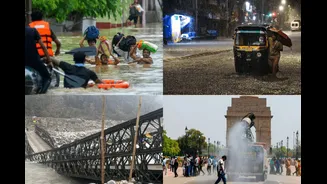
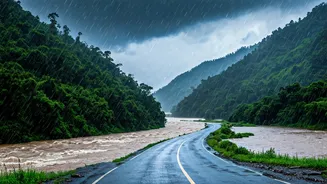
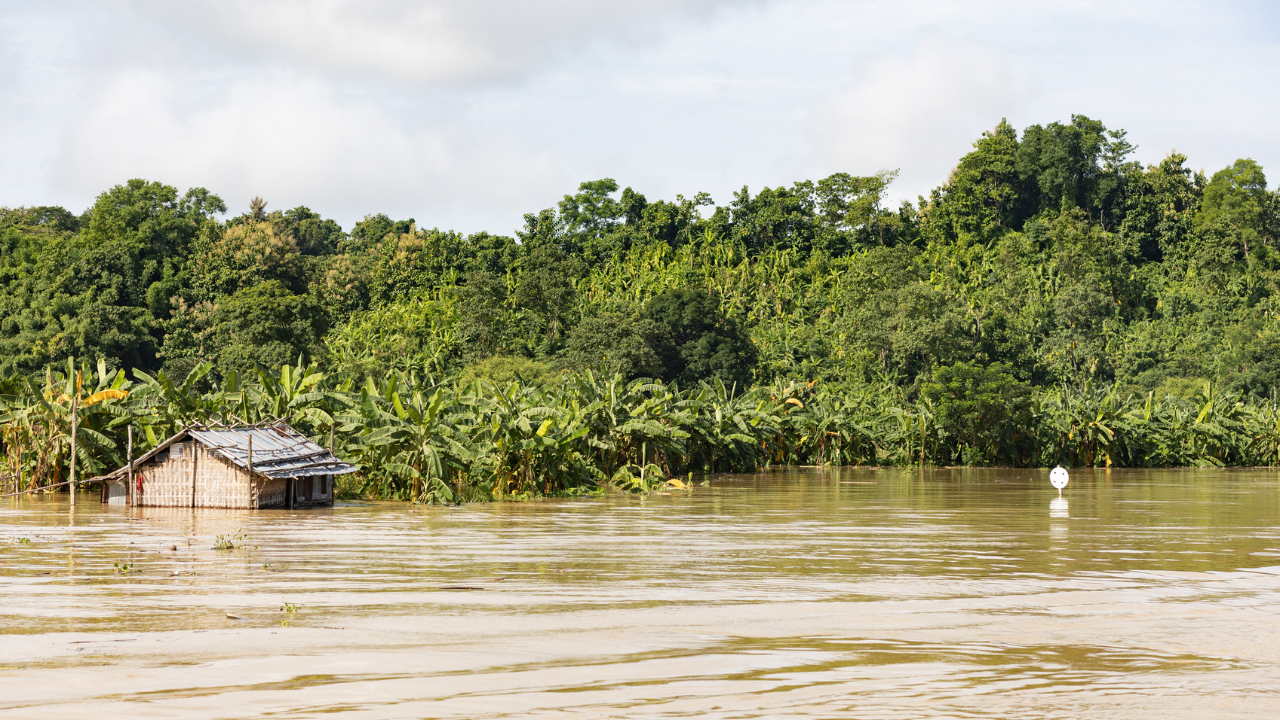
Among the worst-affected areas is Keyi Panyor district, where overflowing streams and a cloudburst sent torrents of water rushing through residential areas. Houses were damaged, bridges collapsed and vehicles were swept away. Several roads leading to nearby towns were left buried under mud and debris, making travel difficult for both locals and visitors.
What This Means For Tourists
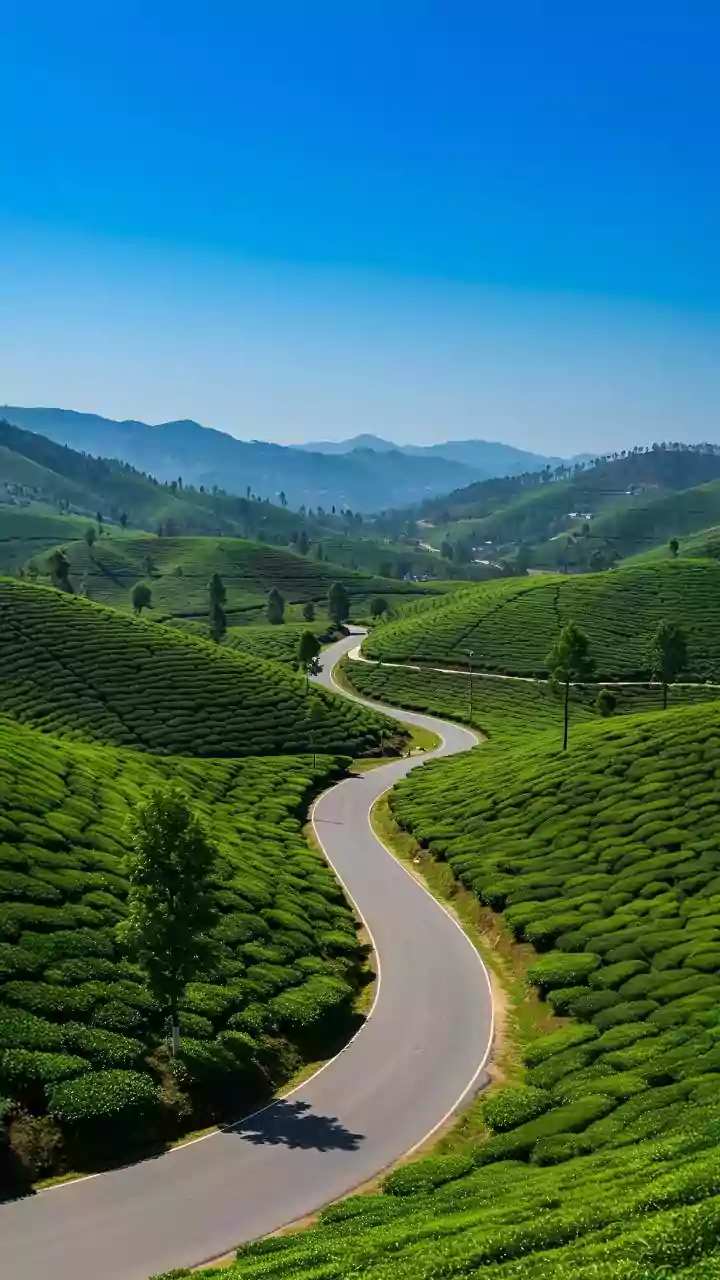
For tourists, the biggest challenge isn't just the rain, it's getting around. Arunachal depends heavily on its mountain roads, many of which snake through steep valleys. When a landslide blocks even one stretch, journeys that usually take a few hours can end up lasting an entire day, while some destinations become temporarily inaccessible.
If your itinerary includes places such as Ziro, Tawang, Mechuka, Bomdila or nearby hill regions, it's worth confirming road conditions before setting out. Hotels, local tour operators and district administrations often have the latest information on whether routes are open or if diversions are in place. This is also not the time for riverside camping, trekking or long road trips through remote areas. Water levels can rise surprisingly fast during intense rain, and landslides can occur without much warning. Even if the skies appear clear, fresh debris can continue to fall for hours after heavy showers.
Anyone travelling to the state over the next few days should keep their plans flexible. Download offline maps before entering areas with weak network coverage, carry enough drinking water and essential medicines, and keep your phone and power bank fully charged. Since ATMs and digital payments may not always work in remote locations during bad weather, carrying some cash is also a good idea. The good news is that not every part of Arunachal has been equally affected, and authorities continue to clear roads wherever conditions allow. However, the weather remains unpredictable, so checking IMD forecasts and local advisories before travelling is essential.
Arunachal Pradesh is one of India's most breathtaking destinations, and the monsoon is usually a beautiful time to witness its waterfalls, forests and mist-covered mountains. This week, though, safety deserves to come before sightseeing. If your trip isn't urgent, waiting until the weather settles could mean a smoother—and far more enjoyable, journey.